Russian Missile Strike Kills Four in Dnipro Amid Intense Diplomatic Efforts for Ukraine Peace
Dec 1, 2025
 Ukraine
International Conflict
Ukraine
International Conflict
Ukraine
International Conflict
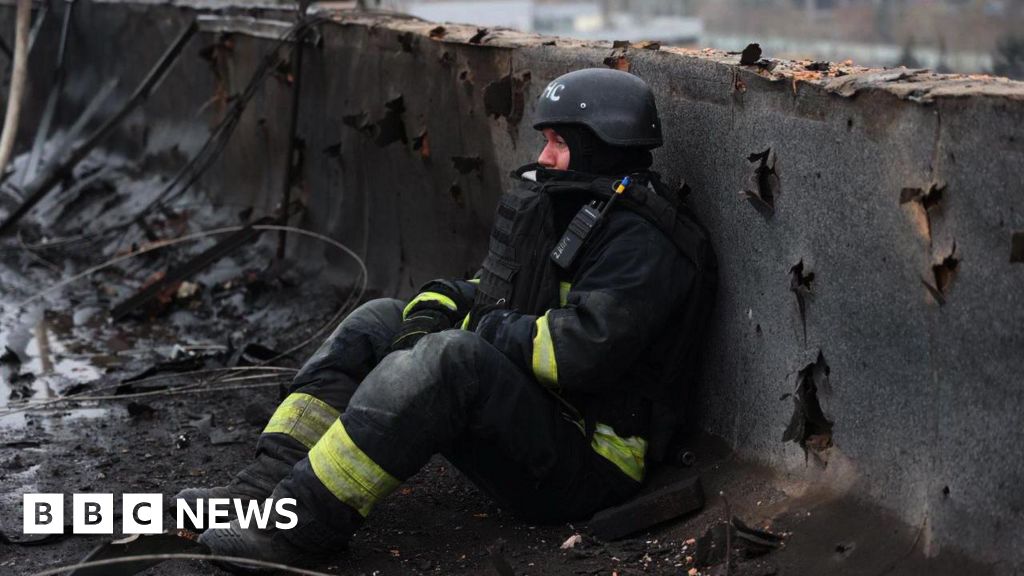
A Russian missile strike killed four in Dnipro, Ukraine, amid ongoing US-led diplomatic efforts to end the war. Key talks highlight deep divisions over peace te
Deadly Dnipro Strike Rocks Ukraine Amid Stalled Peace Diplomacy
An eastern Ukrainian city, Dnipro, has suffered a devastating Russian missile strike that claimed the lives of four people and left 40 injured. This latest assault occurred as high-level diplomatic efforts intensify, aiming to forge a path to peace in the protracted conflict.
Attack on Dnipro: Casualties and Damage
Authorities confirmed the deadly attack took place on Monday morning. While specific details remain under investigation, unconfirmed reports suggest a ballistic missile was deployed. Online videos captured a significant explosion near a motorway, which subsequently caused severe damage to an office block, multiple vehicles, and local shops. Located approximately 100km (62 miles) from the active front line, Dnipro has been a frequent target of Russian aggression since Moscow launched its full-scale invasion in February 2022.
Intense Diplomacy: US Engages Moscow and Kyiv
The missile strike casts a shadow over ongoing peace initiatives. US special envoy Steve Witkoff is scheduled to meet Russian President Vladimir Putin in Moscow, marking another in a series of discussions this year. Notably, Witkoff has not yet visited the Ukrainian capital, Kyiv.
Prior to his Moscow trip, Witkoff held "very constructive" talks with a Ukrainian delegation in Florida on Sunday. This meeting included Ukrainian President Volodymyr Zelensky, US Secretary of State Marco Rubio, and Donald Trump's son-in-law, Jared Kushner. Both Zelensky and Rubio acknowledged the discussions were "productive" but underscored the presence of "tough issues" requiring further attention and "more work to be done." This meeting is part of a broader "shuttle diplomacy" strategy that has seen Ukrainian and Russian representatives separately engaging with US officials to explore potential peace frameworks.
Key Obstacles to Peace: Territory and Security
Despite these diplomatic overtures, fundamental disagreements persist between Moscow and Kyiv. Russia continues to demand Ukraine's withdrawal from territories it still controls in the Donbas region—a condition Kyiv steadfastly refuses. President Putin's stern warning, "If they don't withdraw, we'll achieve this by force of arms," highlights Russia's hardline stance. In response, President Zelensky accused Russia of "scorn[ing]" genuine efforts to end the conflict.
Another critical point of contention revolves around Ukraine's future security architecture. Kyiv and its European partners are pushing for robust security guarantees, including potential NATO membership, to safeguard against future aggression. However, Russia vehemently opposes any expansion of NATO towards its borders, and former US President Donald Trump has also publicly ruled out Ukraine joining the military alliance.
Zelensky's European Tour and Domestic Challenges
Amidst these international efforts, President Zelensky has traveled to Paris to seek continued support from French President Emmanuel Macron, with a subsequent visit to Ireland planned for Tuesday. Concerns have been voiced in Kyiv and across European capitals that the US might be becoming more amenable to Russian demands than Ukraine's, and that European voices could be marginalized in the negotiation process.
Domestically, Zelensky's government faces challenges, including a recent corruption scandal. His chief of staff, Andriy Yermak—a key negotiator in peace talks—resigned last Friday after anti-corruption investigators raided his home, though he has not been formally charged. Two cabinet ministers have also been dismissed. Commenting on the situation, Donald Trump acknowledged Ukraine's "difficult little problems" and reiterated his belief that both Russia and Ukraine desire an end to the conflict.
The Enduring Human Cost of Conflict
The war, which began in 2014 with Russia's annexation of Crimea and support for armed uprisings in eastern Ukraine following the overthrow of a pro-Russian president, continues to exact a horrific toll. Tens of thousands of soldiers and thousands of civilians have lost their lives or been injured, and at least seven million people have been displaced as refugees.
By news
8 months ago
No cameras found for this country.