
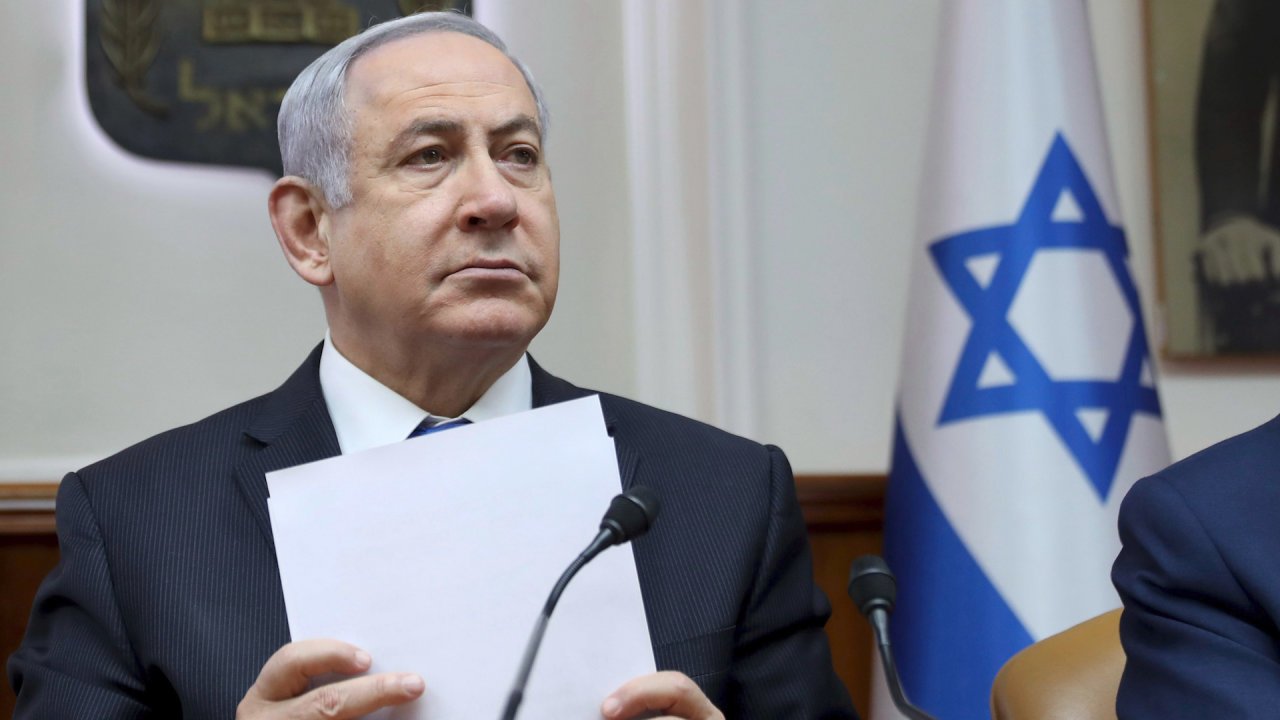
The political landscape of Israel has been significantly shaped by the ongoing legal challenges facing former Prime Minister Benjamin Netanyahu. His protracted corruption trial, a saga that has captivated the nation and international observers, delves into a series of serious allegations ranging from bribery and fraud to breach of trust.
The Core Allegations: Cases 1000, 2000, and 4000
Netanyahu, Israel's longest-serving prime minister, stands accused in three separate cases, collectively known as Cases 1000, 2000, and 4000. Each case presents distinct but interconnected allegations of wrongdoing:
- Case 1000 – The "Gifts Affair": This case alleges that Netanyahu and his family received illicit gifts, including cigars and champagne, from wealthy benefactors like Hollywood producer Arnon Milchan and Australian billionaire James Packer, in exchange for political favors and assistance.
- Case 2000 – The "Yedioth Ahronoth-Israel Hayom Affair": This focuses on an alleged quid pro quo deal between Netanyahu and Arnon Mozes, the publisher of the Yedioth Ahronoth newspaper. The accusation is that Netanyahu would work to weaken the rival newspaper, Israel Hayom, in return for more favorable and extensive coverage of himself from Yedioth Ahronoth.
- Case 4000 – The "Bezeq-Walla Affair": Considered the most severe of the charges, this case accuses Netanyahu of granting significant regulatory benefits worth hundreds of millions of dollars to Shaul Elovitch, the controlling shareholder of Bezeq telecom and the Walla! news website. In return, Netanyahu allegedly sought and received positive media coverage from Walla! for himself and his family.
The Legal Marathon: Trial Proceedings and Defense Strategy
The trial, which commenced in May 2020, has been a lengthy and often dramatic legal marathon, characterized by numerous delays, complex procedural arguments, and intense media scrutiny. It involves extensive testimony from a wide array of witnesses, including high-ranking officials, business figures, and former aides to Netanyahu, some of whom have notably turned state's witness against him. The prosecution's objective is to meticulously demonstrate a pattern of abuse of power, illicit gain, and the systematic subversion of public trust for personal benefit.
Conversely, Netanyahu's robust defense team has consistently and vehemently denied all allegations. Their strategy often involves portraying the entire legal process as a politically motivated "witch hunt," orchestrated by his ideological opponents, a biased justice system, and a hostile media establishment intent on ousting him from power. They argue that the gifts were mere tokens of friendship and that his actions were always in the public interest, not driven by personal gain or media manipulation.
The Contention of a Presidential Pardon
A particularly contentious and much-debated aspect of this ongoing legal battle is the theoretical possibility of a presidential pardon. In Israel, the President holds the constitutional authority to grant pardons or commute sentences for convicted individuals. While such a move would be highly unusual and controversial, particularly for a former head of government facing such grave charges, it remains a theoretical avenue for Netanyahu should he be convicted.
The implications of a presidential pardon would be profound and far-reaching. Critics argue vehemently that it would severely undermine the rule of law, erode public trust in the independence and integrity of the justice system, and set a dangerous precedent. Conversely, supporters might contend that a pardon could serve to de-escalate political tensions, bring an end to a prolonged and divisive national distraction, or even be framed as a necessary step to restore a semblance of political stability in a perennially turbulent nation. The debate around a pardon highlights the deep societal and political divisions within Israel.
Ramifications for Israeli Politics and Democracy
As the trial continues to unfold, its ultimate outcome carries significant ramifications not only for Benjamin Netanyahu's personal future but also for the broader trajectory of Israeli politics and the strength of its democratic institutions. It stands as a stark and powerful reminder of the inherent challenges democracies encounter in upholding accountability and ensuring that even the most powerful figures are subject to the rule of law. The world continues to observe closely as Israel navigates these intricate legal and political waters, with the trial's conclusion poised to leave an indelible mark on the nation's history.