ECOWAS Delegation in Guinea-Bissau for Post-Coup Mediation: Regional & International Pressure Mounts for Constitutional Order
Dec 2, 2025
 Guinea-Bissau
West African Politics
Guinea-Bissau
West African Politics
Guinea-Bissau
West African Politics
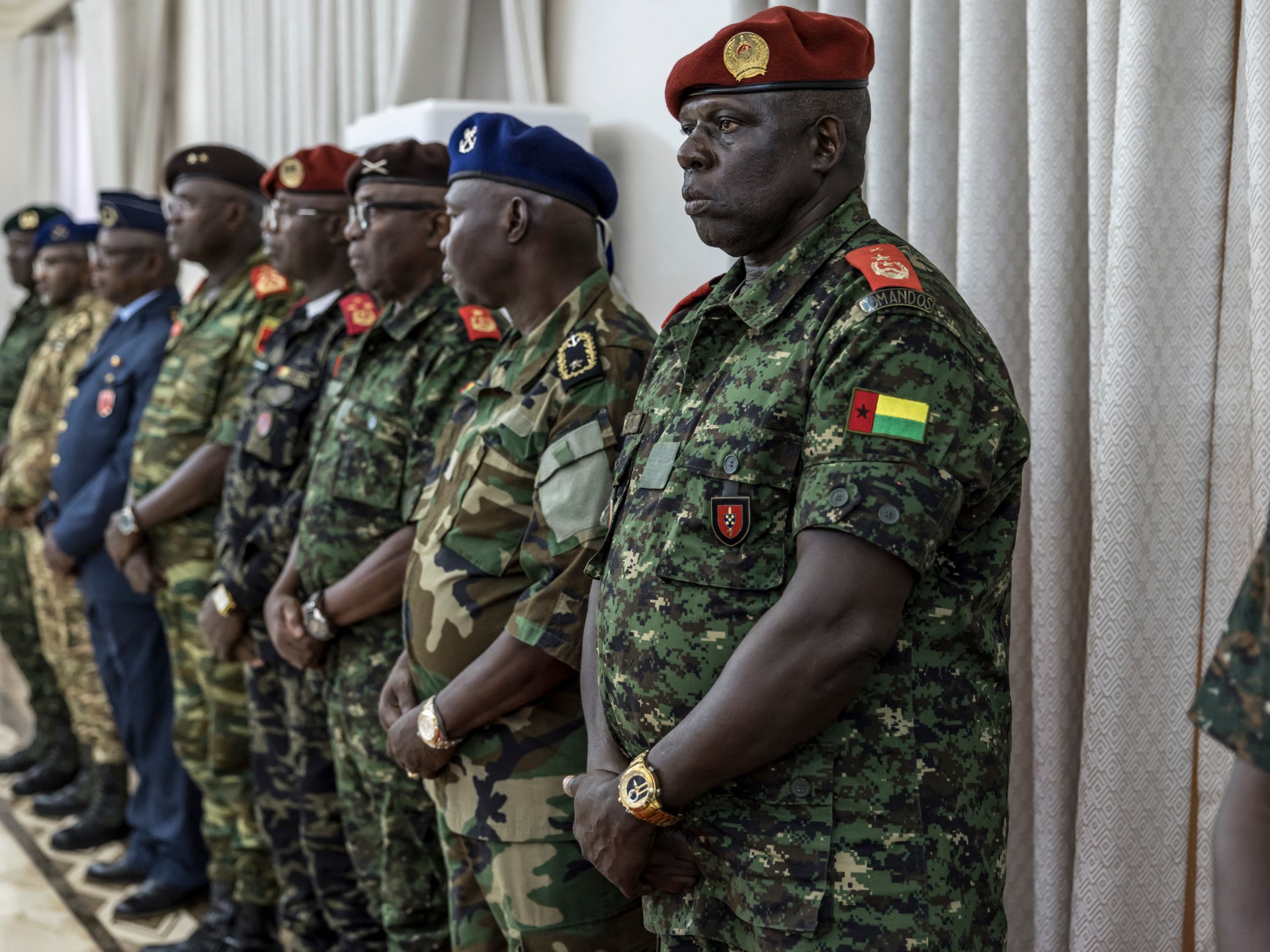
ECOWAS delegates visited Guinea-Bissau for mediation talks after a military coup, urging constitutional restoration. International pressure mounts amid security
ECOWAS Intensifies Mediation Efforts in Guinea-Bissau After Military Coup
A high-level delegation from the Economic Community of West African States (ECOWAS) has initiated urgent mediation talks in Guinea-Bissau, following a military coup that seized power last week. The visit, which occurred on Monday, December 1, 2025, underscores mounting regional and international pressure on the military authorities to reinstate constitutional governance.
ECOWAS Calls for Constitutional Restoration
Led by Sierra Leone's President Julius Maada Bio, who chairs ECOWAS, the mission engaged with the leaders of the coup in Bissau. Sierra Leone’s Foreign Minister Timothy Musa Kabba characterized the discussions as "very fruitful," noting that both parties articulated their respective concerns. Joao Bernardo Vieira, Guinea-Bissau's newly appointed foreign minister, emphasized ECOWAS's commitment to remain engaged "during this difficult period" and confirmed ongoing discussions between transitional authorities and the military.
Disputed Elections Pave Way for Takeover
The coup unfolded just three days after Guinea-Bissau’s contentious presidential election on November 23. Both the incumbent, Umaro Sissoco Embalo, and opposition challenger Fernando Dias da Costa had prematurely declared victory, even before provisional results could be announced. To date, no official election results have been released. Deposed President Embalo, who initially informed French media of his arrest, has since reportedly fled to Brazzaville, the capital of the Republic of Congo.
Transitional Government and Regional Responses
In the wake of the takeover, military officials appointed former army chief of staff General Horta Inta-A to head a one-year transitional government. On Saturday, Inta-A unveiled a new 28-member cabinet, predominantly comprising individuals linked to the ousted president. Meanwhile, Nigeria has intervened, with President Bola Tinubu authorizing protection for opposition leader Dias da Costa, citing an "imminent threat to his life." Dias da Costa is currently seeking refuge at the Nigerian embassy in Bissau, and Nigeria has formally requested an ECOWAS troop deployment to ensure his security.
The political turmoil extends further, as the main opposition African Independence Party for Guinea and Cape Verde (PAIGC) reported that its headquarters in the capital had been "illegally invaded by heavily armed militia groups." The PAIGC had been controversially barred from fielding a presidential candidate in the recent election, a decision that drew criticism from civil rights organizations, who viewed it as part of a broader suppression of dissent.
Global Outcry and Calls for Democratic Principles
ECOWAS, a prominent political and regional authority with 15 member states in West Africa, swiftly responded to the coup by suspending Guinea-Bissau from all its decision-making bodies. This suspension will remain in effect "until the restoration of full and effective constitutional order in the country." The international community has echoed this condemnation, with United Nations Secretary-General Antonio Guterres expressing grave concern. Guterres denounced the military takeover as an "unacceptable violation of democratic principles," stressing that it disregards "the will of the people who peacefully cast their vote during the November 23 general elections." He called for the immediate and unconditional restoration of constitutional order and the release of all detained officials, including electoral authorities and opposition figures.
This crisis highlights the fragility of democratic processes in the region and the critical role of regional bodies like ECOWAS in upholding stability and constitutional rule. The coming days will be crucial in determining Guinea-Bissau's path forward amidst intense scrutiny and pressure from both its regional neighbors and the global community.
By news
8 months ago
No cameras found for this country.