Coupang Data Breach: Korea's Outcry vs. US Automatic Litigation & Consumer Fatigue | A Tale of Two Responses
Dec 2, 2025
 South Korea
Cybersecurity & Consumer Law
South Korea
Cybersecurity & Consumer Law
South Korea
Cybersecurity & Consumer Law
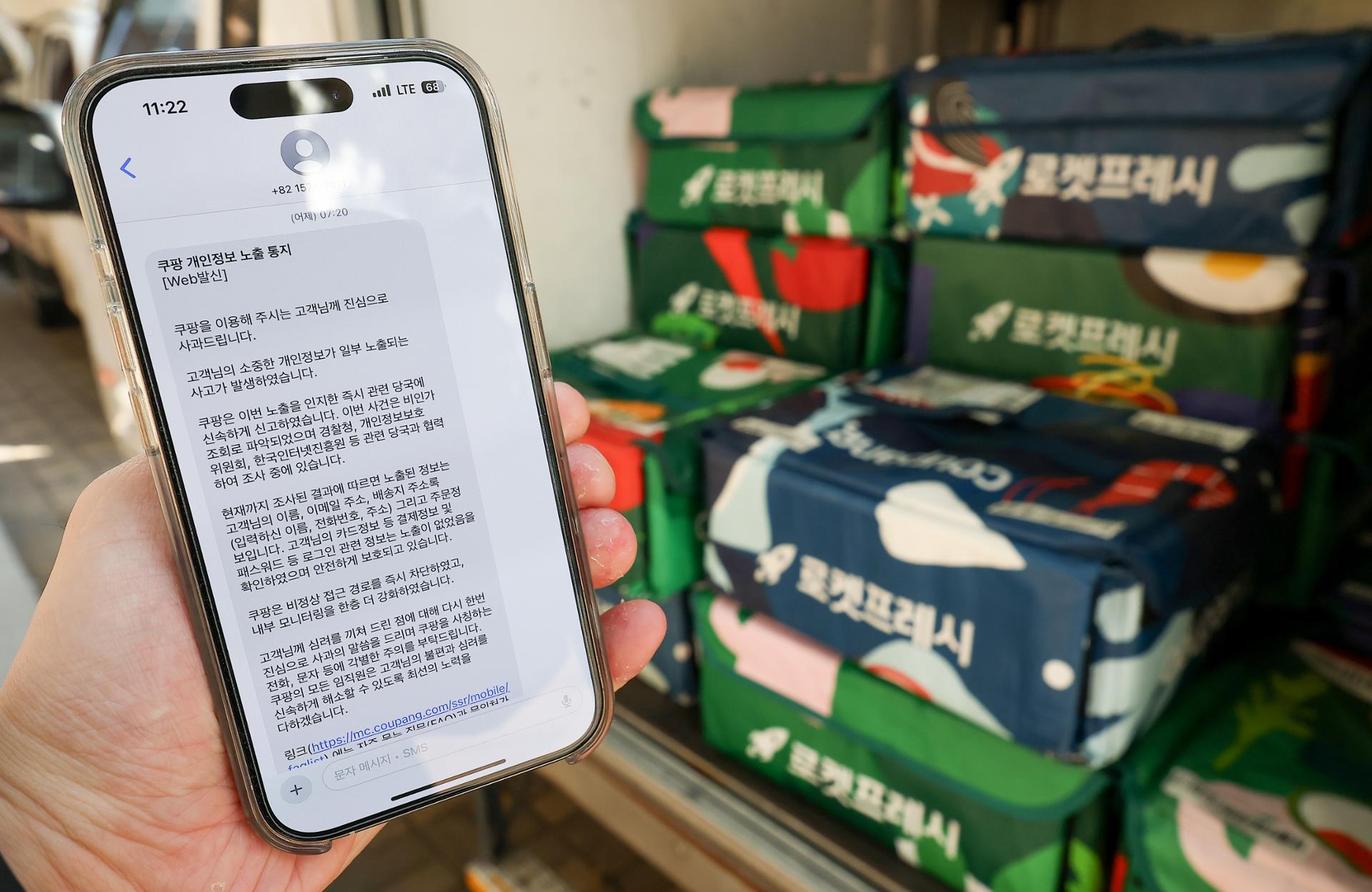
A massive Coupang data breach exposed 33.7 million accounts in Korea, sparking outrage. In contrast, the US often sees consumer fatigue and automatic litigation
Coupang Data Breach: A Tale of Two Nations' Responses
The recent revelation of a colossal data breach at Coupang, South Korea's e-commerce behemoth, has sent shockwaves of anger and apprehension across the nation. With approximately 33.7 million customer accounts exposed, the incident is being dubbed one of the largest in Korea's digital history, severely eroding public trust in a platform integral to millions of daily lives for groceries, household items, and rapid deliveries. Users swarmed online communities, anxiously verifying if their personal details, including names, addresses, and purchase histories, were compromised. Many openly questioned the integrity of Coupang's data protection measures, especially given its meteoric rise in the market.
Korea's Outcry vs. US Consumer Fatigue
This intense public outcry in Korea stands in stark contrast to the often-subdued reactions seen in the United States, a country that has witnessed some of the world's most extensive data breaches. In the US, a peculiar sense of collective fatigue appears to have settled in. A 2025 Varonis survey indicated that a staggering 64 percent of American adults have never checked if their information was exposed in a data breach, despite recurring incidents affecting major retailers, credit bureaus, and social media platforms. Over half admitted they wouldn't even know the necessary steps to take if their data were compromised. Online forums like Reddit echo this sentiment, with users expressing resignation, assuming their data is "already out there" and feeling a lack of control over the situation.
The US Approach: Automatic Litigation
However, a quieter public reaction in the US does not equate to inaction. Major data breaches there frequently trigger rapid and widespread legal responses. Law firms are quick to initiate class-action lawsuits, often automatically enrolling millions of affected consumers or inviting them to join via email, advertisements, and settlement portals. Landmark cases, such as the 2017 Equifax breach, which compromised roughly 147 million Americans' personal information, led to a substantial settlement fund for consumers. Similarly, the 2015 Anthem healthcare breach resulted in one of the biggest data breach settlements in US history, demonstrating the robust nature of the American litigation system in these scenarios.
Korea's Different Legal Landscape
Korea's legal framework for such incidents operates on a fundamentally different principle. Unlike the US, South Korea lacks a broad civil class-action system outside of specific sectors like securities. This means that consumers must individually join lawsuits, meticulously gather and submit documentation, and often bear a share of the legal expenses. Consequently, large-scale breaches in Korea seldom culminate in mass civil settlements. Instead, public pressure, intense regulatory scrutiny, and extensive media coverage tend to wield greater influence in driving corporate accountability than private litigation.
Lessons from the Interpark Incident
A historical case, the 2016 Interpark hacking incident, perfectly illustrates this limitation. Despite information from 10.3 million users being leaked, a mere 2,400 individuals joined the ensuing lawsuit. Four years later, these plaintiffs each received a modest 100,000 won (approximately $75 USD at current rates). Nonetheless, in the wake of the current Coupang incident, affected users are actively mobilizing online, with tens of thousands congregating in community groups to strategize collective legal action and plan their next moves.
Market Dynamics Amplify Impact in Korea
The market landscape further sharpens this contrast. In the US, while Amazon holds a dominant position, it shares the e-commerce space with formidable rivals like Walmart, Target, Costco, and Instacart, offering consumers diverse options for fast delivery. In South Korea, however, Coupang reigns supreme as the preferred choice for quick deliveries and daily essentials. This market concentration means that a security breach impacting a single platform like Coupang feels exceptionally disruptive and unsettling for countless households that depend on its services daily. The differing public reactions and legal pathways in these two nations underscore divergent approaches to consumer data protection and corporate responsibility in the digital age.
By news
8 months ago
No cameras found for this country.