Cameroon Opposition Leader Anicet Ekane Dies in Military Detention Amid Political Turmoil & Disputed Election
Dec 2, 2025
 Cameroon
Politics
Cameroon
Politics
Cameroon
Politics
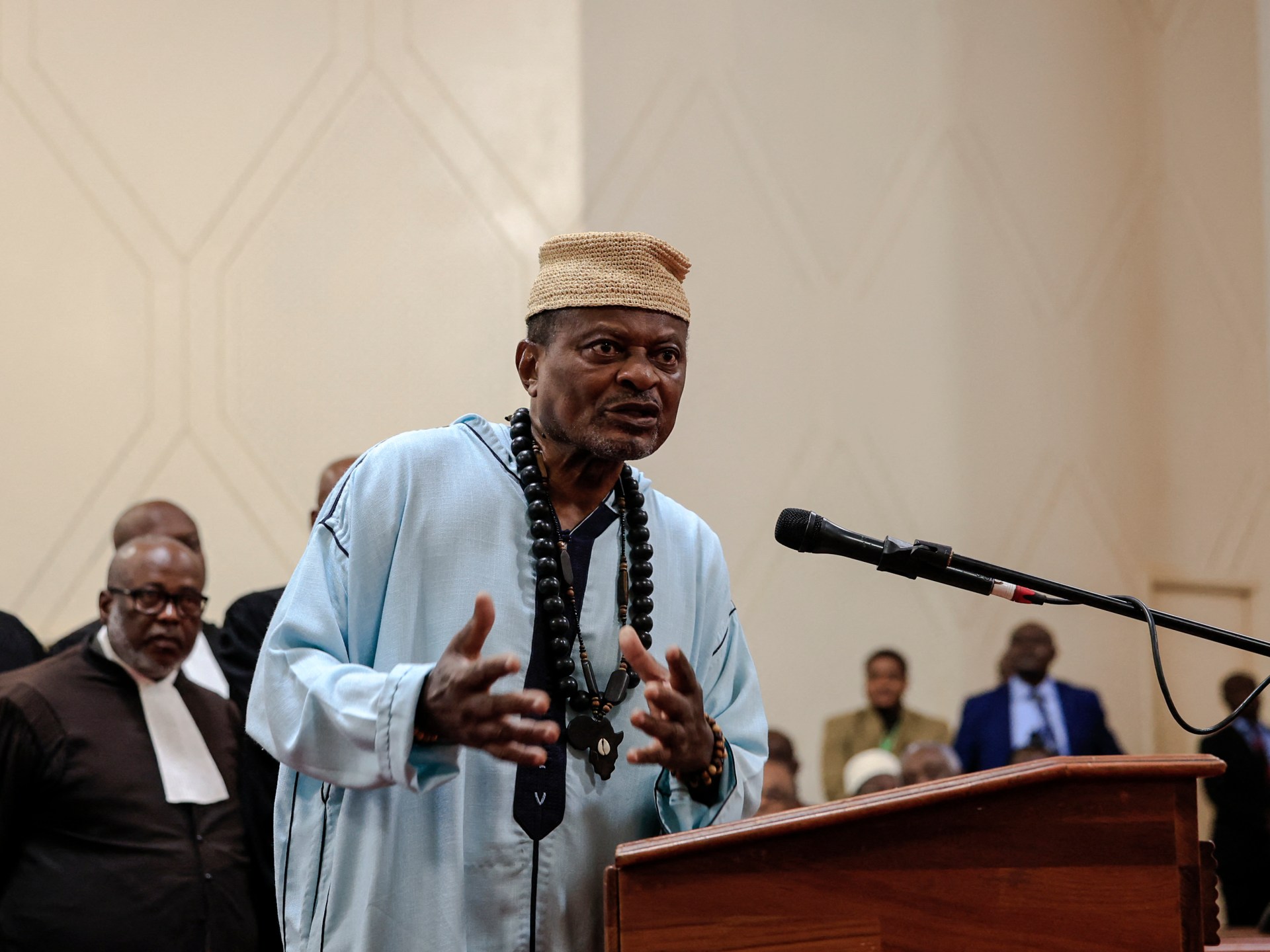
Cameroon opposition leader Anicet Ekane, 74, died in military detention in Yaounde, sparking outrage. Arrested after backing Biya's rival, his death deepens tur
Veteran Opposition Figure Anicet Ekane Dies in Cameroonian Military Custody
Yaounde, Cameroon – The political landscape in Cameroon has been further rattled by the death of prominent opposition leader Anicet Ekane, 74, while in military detention. His family and legal representatives confirmed that Ekane, a veteran figure in Cameroonian politics, passed away on Monday morning in Yaounde, the nation's capital. His death comes just 38 days after he was apprehended by security forces in the port city of Douala.
Ekane's demise has ignited widespread condemnation and threatens to exacerbate the already tense political climate in Cameroon. The country is still reeling from the fallout of October's contentious presidential election, which saw the 92-year-old Paul Biya, one of the world's longest-serving rulers, sworn in for an eighth term after more than four decades in power.
Arrest and Allegations
Ekane, who led the left-wing African Movement for New Independence and Democracy (MANIDEM) party, was arrested on October 24. His detention followed his vocal support for Biya's rival, Issa Tchiroma Bakary, who has adamantly rejected the official election results, claiming victory himself. Authorities subsequently charged Ekane with insurrection and rebellion, accusations that his party vehemently denounced as politically motivated.
His eldest son, Muna Ekane, shared harrowing details with the Associated Press, stating that his father's health had rapidly deteriorated in the week prior to his death. He described Ekane as suffering from severe respiratory distress and struggling to breathe. "For one week, he had difficulties breathing; he was suffocating," Muna Ekane recounted, emphasizing that despite repeated alerts to officials, "nothing was done."
Emmanuel Simh, Ekane's lawyer, echoed these concerns, asserting that his client was unwell but was deliberately denied adequate medical care. "We're still in shock and sadness," Simh stated. "Ekane committed no crime, so we need to know why he was arrested and abandoned."
Calls for Investigation and International Reaction
MANIDEM had issued an urgent plea on Sunday, demanding Ekane's immediate transfer to a civilian hospital and explicitly holding the government responsible for any adverse outcomes. In response, the Cameroonian government maintained that Ekane received treatment from military doctors who collaborated with his personal physicians. Communication Minister Rene Emmanuel Sadi expressed regret over the death, and President Biya has reportedly ordered a probe into the circumstances.
However, Ekane's party has controversially labeled his death as "murder." The European Union delegation, including its representation to Cameroon and Equatorial Guinea, conveyed its "deep sadness" and reiterated calls for the release of all individuals arbitrarily detained since the contentious election. This sentiment was also shared via their official Twitter account.
A Legacy of Activism Amidst Post-Election Crackdown
Anicet Ekane dedicated nearly five decades of his life to political activism, rising to prominence in the early 1990s as a key advocate for multiparty democracy. Revered by his supporters as a political successor to Cameroon's nationalist heroes, he was also a witness to the execution of independence fighter Ernest Ouandie. Throughout his career, he remained an impassioned voice for social justice.
His death occurs amidst significant controversy surrounding the post-election crackdown. While the government officially reports 16 fatalities in protests following Biya's declared victory, opposition groups and human rights organizations claim the true death toll exceeds 55. The candidate Ekane supported, Issa Tchiroma, sought refuge in Gambia last month, underscoring the ongoing political instability.
By news
8 months ago
No cameras found for this country.