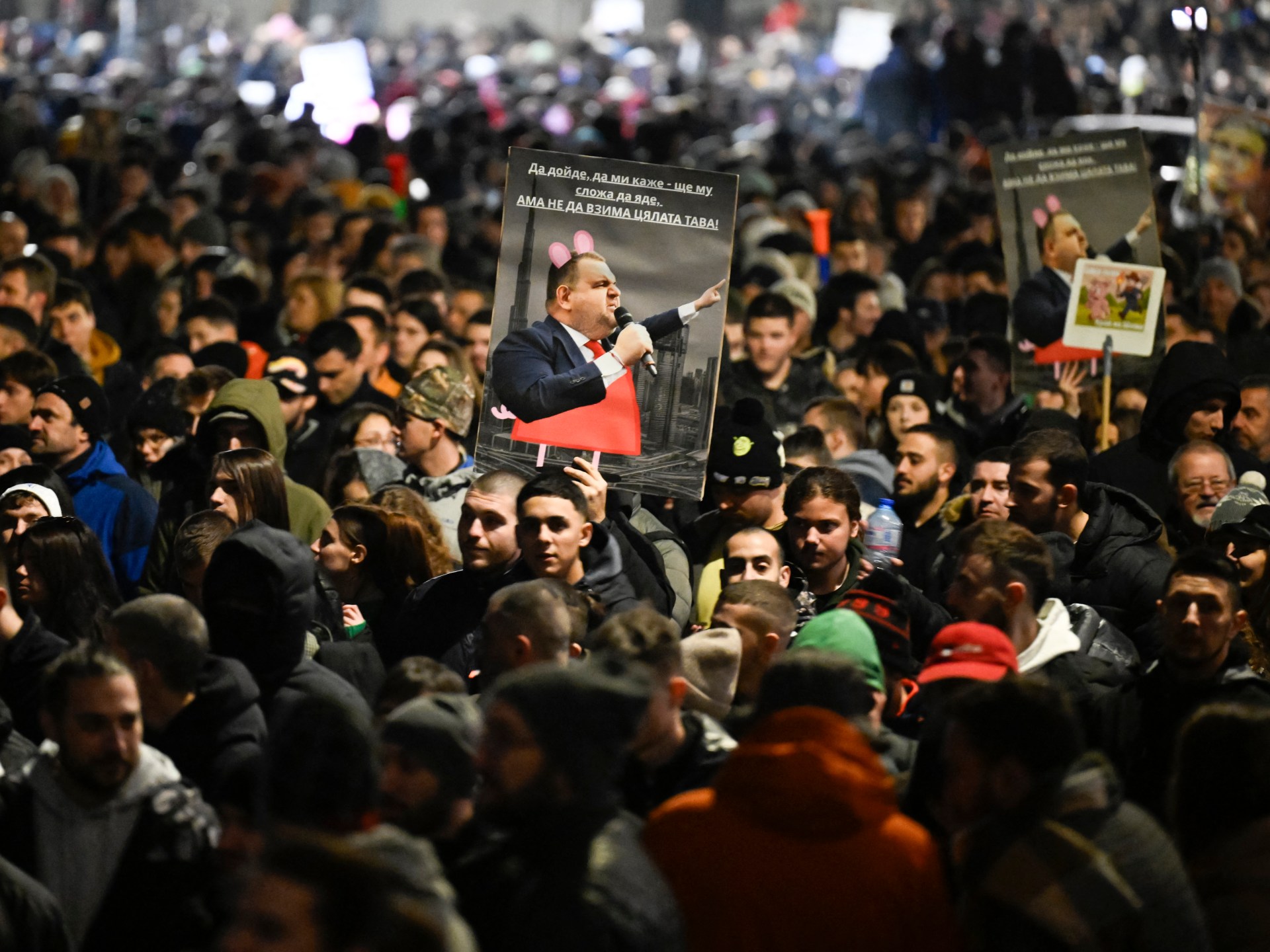
Bulgaria's government has bowed to intense public pressure, announcing the withdrawal of its contentious 2026 budget proposal. This decision comes after weeks of fierce nationwide protests, particularly in the capital, Sofia, where thousands took to the streets to voice their anger over proposed tax increases and higher social security contributions. The budget, notable for being the first calculated in euros, ignited a new wave of unrest in a country already grappling with significant political instability and deep divisions regarding its future in the eurozone.
Corruption Concerns Fuel Public Outcry
Critics argued that the budget would burden citizens and businesses while allegedly funneling funds into institutions widely perceived as corrupt. Bulgaria, notably, holds the unfortunate distinction of being ranked the most corrupt country in the European Union by anti-corruption watchdog Transparency International. Protestors, many from "Generation Z," rallied under banners declaring "Young Bulgaria Without the Mafia" and chanted slogans like "we will not allow ourselves to be robbed," demanding accountability and a European future free from corruption.
A Nation Divided: Political Instability and Eurozone Debate
Bulgaria's political landscape has been tumultuous, marked by seven snap elections and a succession of short-lived governments since major anti-corruption movements began in 2020. The current budget crisis further highlights the nation's struggle with its geopolitical identity, caught between Russian influence and its commitments as an EU member state, and the divisive debate surrounding adopting the euro. Around half of Bulgarians oppose adopting the euro, fearing it will lead to inflated prices and a loss of national sovereignty.
Protests Escalate to Clashes
Initially, the government hinted at revisions but then retreated, fueling even larger demonstrations. While organizers urged peaceful rallies, confrontations erupted in Sofia between a small faction of protesters and riot police. These clashes resulted in thrown projectiles, damaged police vehicles, pepper spray deployment, several hospitalizations, and ten arrests.
The Path Forward: Drafting a New Budget
Government officials had defended the budget as essential for meeting the eurozone's requirement of maintaining a budget deficit below 3% of gross domestic product (GDP). However, opponents countered that increased spending funded by higher taxes on businesses and workers, as well as a sharp rise in public debt, would only exacerbate inflation without improving public services. With the controversial bill now formally withdrawn, the Bulgarian cabinet is set to begin drafting an entirely new budget, hoping to restore some semblance of political calm.