
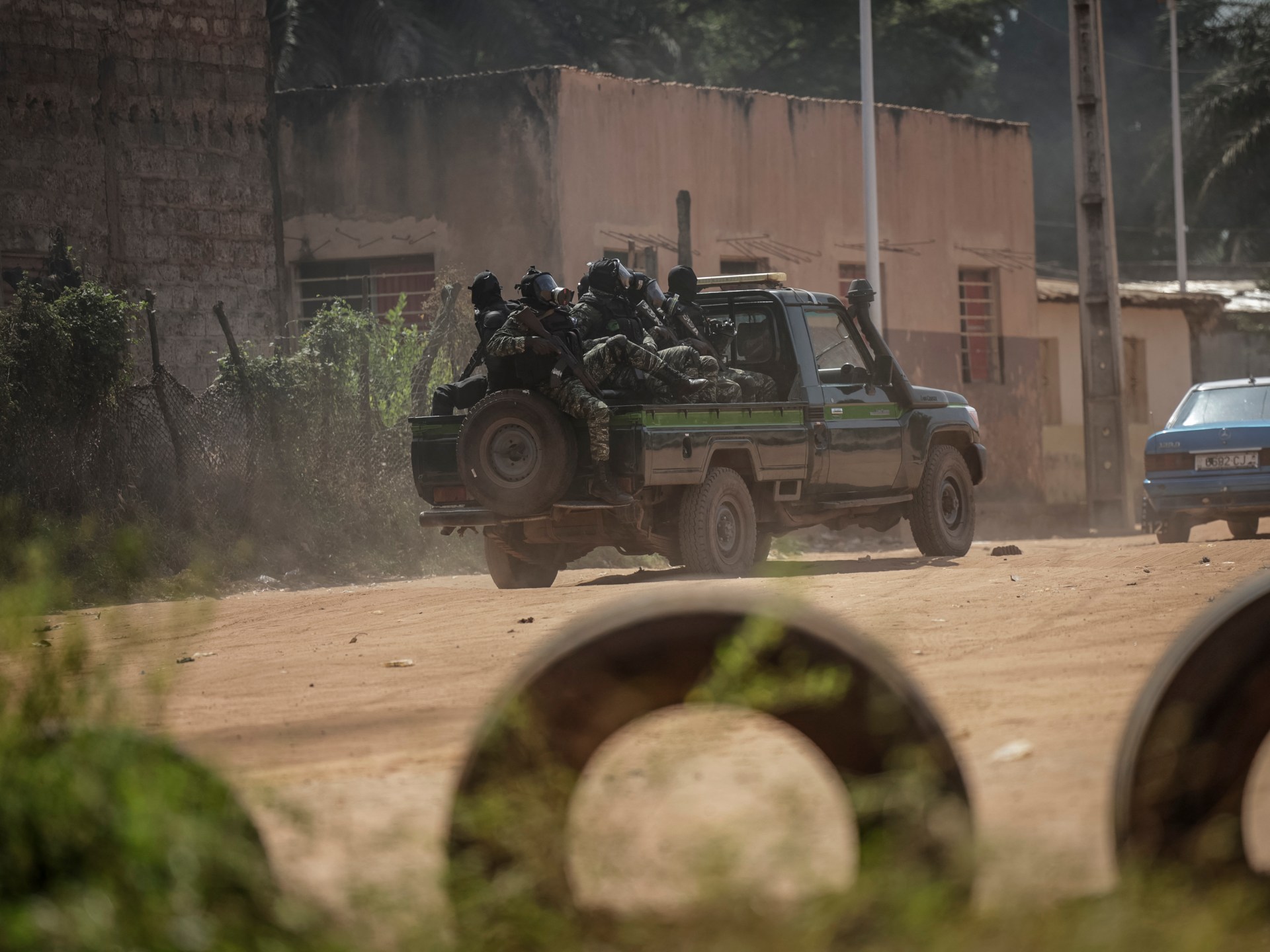
Guinea-Bissau's fragile democratic process has been severely undermined after a military coup on November 26 led to the destruction of crucial election materials, rendering the November 23 presidential vote incomplete. The nation's electoral commission confirmed it could no longer finalize the poll results following an armed takeover of its offices, during which ballots, tally sheets, computers, and the primary servers storing the outcomes were seized and destroyed.
Electoral Chaos and Military Seizure
The coup, which occurred just a day before the provisional results of the closely contested election were set to be announced, saw several key buildings, including the electoral commission headquarters, come under attack. Idrissa Djalo, a senior official at the commission, issued a statement lamenting the irreparable damage. "We do not have the material and logistic conditions to follow through with the electoral process," Djalo stated, explaining that computers of all 45 staff members present were confiscated, regional tally sheets seized, and the server holding results obliterated. He underscored the impossibility of continuing the electoral process without these vital documents.
A New Transitional Regime
In the wake of the takeover, Major-General Horta Inta-A was sworn in as the new transitional president on November 27, effectively halting the electoral process. The military authorities have since moved to consolidate power, imposing restrictions that include a ban on public demonstrations and strikes. Inta-A has publicly committed to a one-year transitional period and, just days after assuming office, appointed a 28-member cabinet largely comprising figures associated with the recently deposed president.
Disputed Outcomes and Political Fallout
The coup unfolded amidst a highly contentious election, where both the incumbent, President Umaro Sissoco Embalo, and opposition candidate Fernando Dias da Costa had prematurely declared victory. No official results have been released since. Following the military's move, Embalo reportedly informed French media of his arrest and deposition, subsequently fleeing to Brazzaville, the capital of the Republic of Congo. Meanwhile, Nigeria's President Bola Tinubu reportedly authorized protection for Dias da Costa, citing an "imminent threat to his life." Adding to the political turmoil, the PAIGC, a major political party, had been barred from fielding a candidate in the election, a decision that drew criticism from civil rights groups who viewed it as part of a broader suppression of the opposition.
International Pressure Mounts
The international community, particularly the Economic Community of West African States (ECOWAS), has swiftly responded to the crisis, exerting significant pressure on Guinea-Bissau's new military leadership. ECOWAS demands the immediate restoration of constitutional rule and the resumption of the democratic election process. A high-level delegation from the bloc, led by its chairman and Sierra Leone’s President Julius Maada Bio, traveled to Bissau to meet with military leaders and electoral officials. ECOWAS leaders are scheduled to convene on December 14 to further discuss the situation and have already warned of potential sanctions against those obstructing the democratic path.