Former Honduras President Juan Orlando Hernández Freed Following Trump Pardon
Dec 3, 2025
 Honduras
Politics
Honduras
Politics
Honduras
Politics
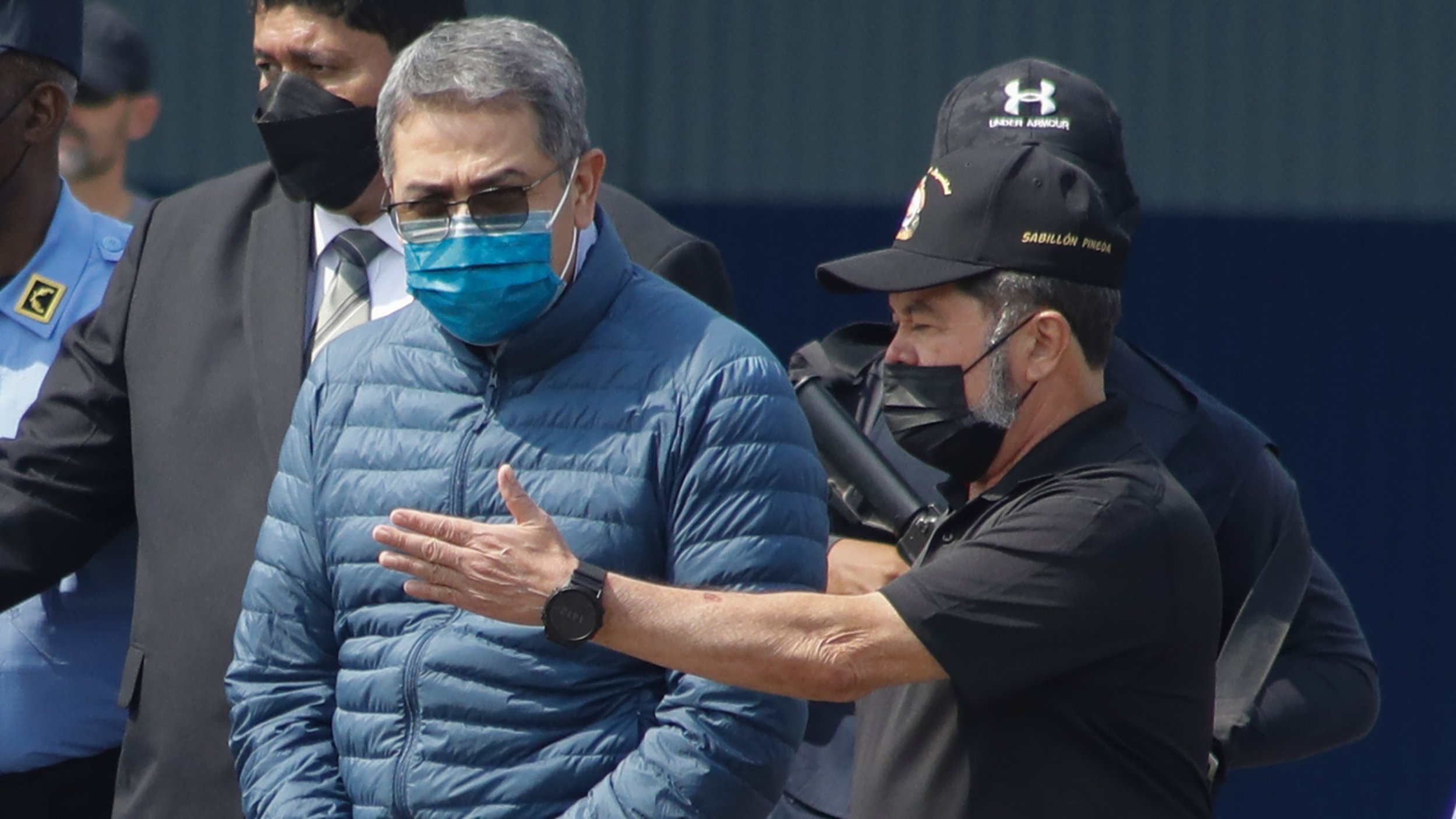
Former Honduran President Juan Orlando Hernández has been released after receiving a pardon from former U.S. President Donald Trump, ending his detention.
Former Honduran President Juan Orlando Hernández Freed by Trump Pardon
A significant turn of events has unfolded in the political sphere of Honduras with the release of its former President, Juan Orlando Hernández. This freedom follows a presidential pardon granted by former U.S. President Donald Trump, a decision that has drawn considerable attention globally.
Background of Legal Challenges
Hernández, who served as Honduras's head of state from 2014 to 2022, had been embroiled in serious legal battles. He was facing an extradition request from the United States, which sought to prosecute him on grave charges related to drug trafficking and illegal firearms. His detainment and the subsequent legal proceedings kept international headlines occupied, illustrating a complex period in Honduran politics and its often intricate ties with the U.S. judicial system.
Implications of the Presidential Pardon
The action taken by former President Trump to issue a pardon for Hernández has ignited widespread discussion among legal scholars and political analysts alike. While the power to grant presidential pardons is a well-established constitutional authority in the United States, its exercise in prominent international cases, particularly those involving ex-heads of state, frequently brings forth critical questions concerning national sovereignty, the pursuit of justice, and international diplomatic protocols.
This recent development effectively liberates Hernández from the ongoing legal processes that had previously constrained him. His release is anticipated to have profound repercussions within Honduras, potentially reshaping the nation's political conversations and public sentiment. The complete scope of this pardon's impact on diplomatic relations between the U.S. and Honduras, as well as the larger struggle against transnational criminal organizations, is yet to fully materialize, but it undeniably represents a watershed moment in contemporary international affairs.
By news
8 months ago
No cameras found for this country.