Kremlin-US Talks Fail on Ukraine Peace Deal: No Breakthrough Despite "Constructive" Dialogue in Moscow
Dec 3, 2025
 Ukraine
International Relations & Conflict
Ukraine
International Relations & Conflict
Ukraine
International Relations & Conflict
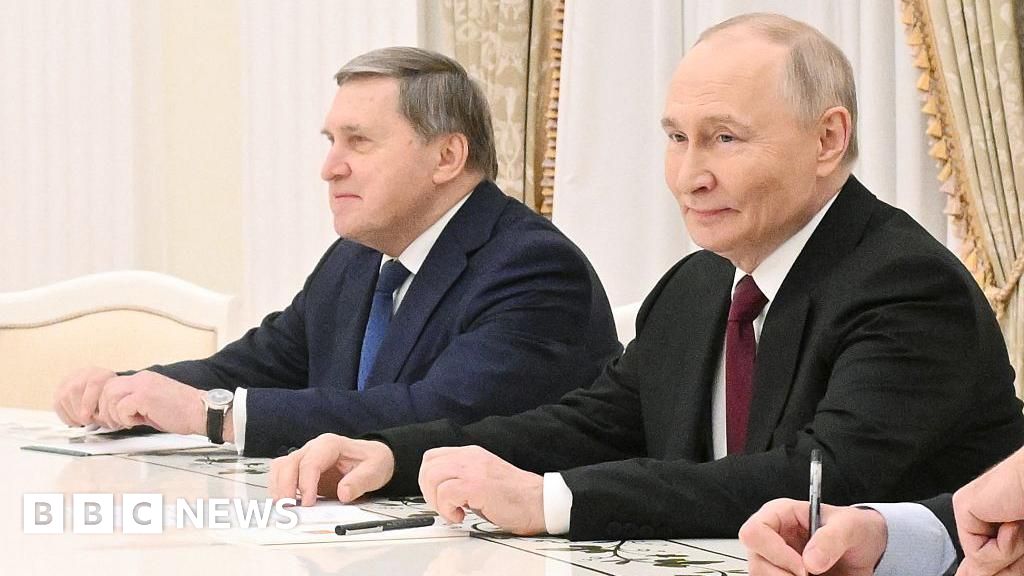
US-Kremlin talks failed to yield a Ukraine peace breakthrough. Russia found parts of the plan unacceptable, while Kyiv insists on territory and NATO guarantees.
Moscow Talks Yield No Ukraine Peace Breakthrough
US Envoys Meet Putin, Kremlin Calls Dialogue "Constructive" But Disagreements Persist
Five hours of intensive discussions between Russian President Vladimir Putin and top US negotiators in Moscow have concluded without a significant breakthrough towards a Ukraine peace agreement. While the Kremlin described the meeting as "constructive," it indicated that certain aspects of the proposed peace plan remain unacceptable to Russia.
The US delegation, which included President Donald Trump's special envoy Steve Witkoff and son-in-law Jared Kushner, has not issued a statement since departing Moscow. Their visit followed weeks of rigorous diplomatic efforts aimed at de-escalating the conflict.
Ahead of the talks, President Putin adopted a confrontational tone, stating that modifications proposed by Kyiv and European nations to a US-backed draft peace plan were unpalatable. He warned that if Europe "wants to go to war and starts one, we are ready right now." This sentiment reflects Russia's belief that it holds the strategic initiative on the battlefield.
The Contested Peace Plan and Core Disagreements
For weeks, Ukraine and its European allies have lobbied the US to revise its draft peace proposal, which the White House had initially hoped to secure rapid approval for. The Kremlin had previously shown receptiveness to the plan, which was widely perceived as favorable to Russia when it was leaked in November. However, the proposal has undergone several amendments recently.
Following the Moscow meeting, Putin's senior aide Yuri Ushakov acknowledged that the Kremlin found "some points" agreeable but "criticized some things." He emphasized, "We have not come up with a compromise version yet... A lot of work lies ahead."
Key points of contention persist, notably Ukraine's insistence on retaining full control over all its territory and the demand for robust security guarantees, including potential NATO membership – a prospect firmly opposed by Russia and dismissed by Trump. Moscow and Europe also hold divergent views on the essential framework of a peace settlement.
Kyiv's Stance and European Alternatives
Ukrainian President Volodymyr Zelensky, speaking from Ireland, conveyed his expectation of being briefed by the US team on the Moscow discussions. He reiterated that while an opportunity to end the war exists "now more than ever," critical elements still require resolution. Zelensky underscored the necessity of Kyiv's active participation in any peace talks and the agreement on clear security assurances to prevent future aggression.
Meanwhile, European allies of Kyiv have put forth their own peace document, which aims to remove many of the more contentious elements present in the US-backed 28-point plan, such as Washington's recognition of Donetsk and Luhansk as de facto Russian territories. French President Emmanuel Macron, following virtual talks with Zelensky, affirmed that "no finalized plan" exists and any viable solution must include input from both Ukraine and Europe.
Ongoing Conflict and Humanitarian Toll
On the front lines, fighting continued unabated. Ukraine's military refuted Moscow's claims of capturing the key eastern city of Pokrovsk, asserting that its forces still control the northern parts and that Russian attempts to "flag-plant" were quickly repelled. Similar denials were issued regarding Russian claims over Vovchansk, while Ukraine stated it had "significantly improved" its position in Kupyansk.
The conflict, which intensified with Russia's full-scale invasion in February 2022, has resulted in tens of thousands of military and over 14,000 civilian casualties, according to the UN. The war's roots stretch back to 2014 with Russia's annexation of Crimea and support for uprisings in eastern Ukraine after its pro-Russian president was overthrown.
By news
8 months ago
No cameras found for this country.