West Bank Olive Harvest Crisis: Silent Oil Presses Signal Worst Year in History for Palestinian Farmers
Dec 3, 2025
 Palestinian Territory Occupied
Agriculture
Palestinian Territory Occupied
Agriculture
Palestinian Territory Occupied
Agriculture
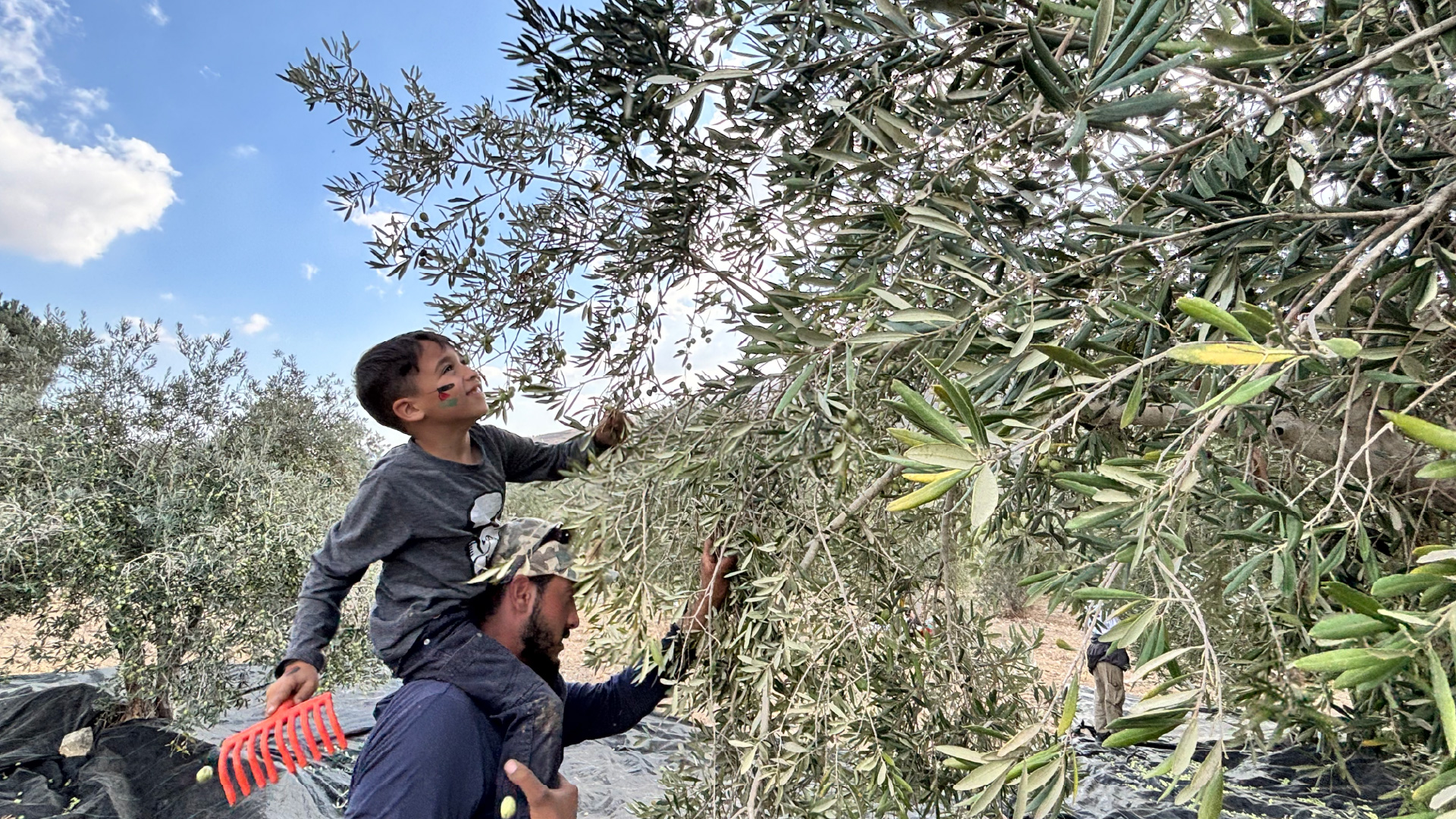
The West Bank faces its worst olive harvest in years, leaving oil presses silent across the region. Farmers grapple with significant economic losses and a blow
West Bank Faces Catastrophic Olive Harvest, Presses Silent
The West Bank is grappling with its most severe olive harvest in years, a crisis that has left traditional oil presses standing silent across the region. This devastating season marks a significant blow to Palestinian farmers, who rely heavily on olive cultivation as a primary source of income and a cornerstone of their cultural identity.
A Season of Unprecedented Scarcity
Reports from across the West Bank confirm an unprecedented decline in olive yields. Farmers speak of trees bearing minimal fruit, a stark contrast to previous abundant seasons. The widespread failure of the harvest is attributed to a combination of factors, including adverse weather conditions, notably insufficient rainfall and unusual temperature fluctuations during critical growth stages. Compounding these natural challenges, ongoing geopolitical issues and restrictions on agricultural access in certain areas have further hampered cultivation efforts and reduced farmers' ability to manage their groves effectively.
Profound Economic and Cultural Ramifications
The economic impact of this poor harvest is profound. Olive oil production is a vital sector of the West Bank economy, supporting thousands of families directly and indirectly. With presses idle and minimal olives to process, incomes are drastically reduced, leading to widespread financial hardship. Many families, already facing economic pressures, now confront a future of uncertainty.
Beyond economics, the olive harvest holds deep cultural and historical significance for Palestinians. It is a time of community gathering, shared labor, and celebration, deeply woven into the social fabric. The silence of the oil presses and the absence of the usual communal rituals represent not just an economic loss but a significant emotional and cultural setback for the entire community. The iconic Palestinian olive tree, a symbol of resilience and rootedness, now stands as a stark reminder of a challenging year.
Looking Towards Recovery and Resilience
As the season concludes, attention turns to strategies for recovery and resilience. Farmers and agricultural organizations are exploring methods to mitigate future climate risks, enhance irrigation, and advocate for greater access and support. The hope remains that with concerted efforts, the West Bank's olive groves will once again flourish, bringing prosperity and cultural vitality back to the region.
By news
8 months ago