
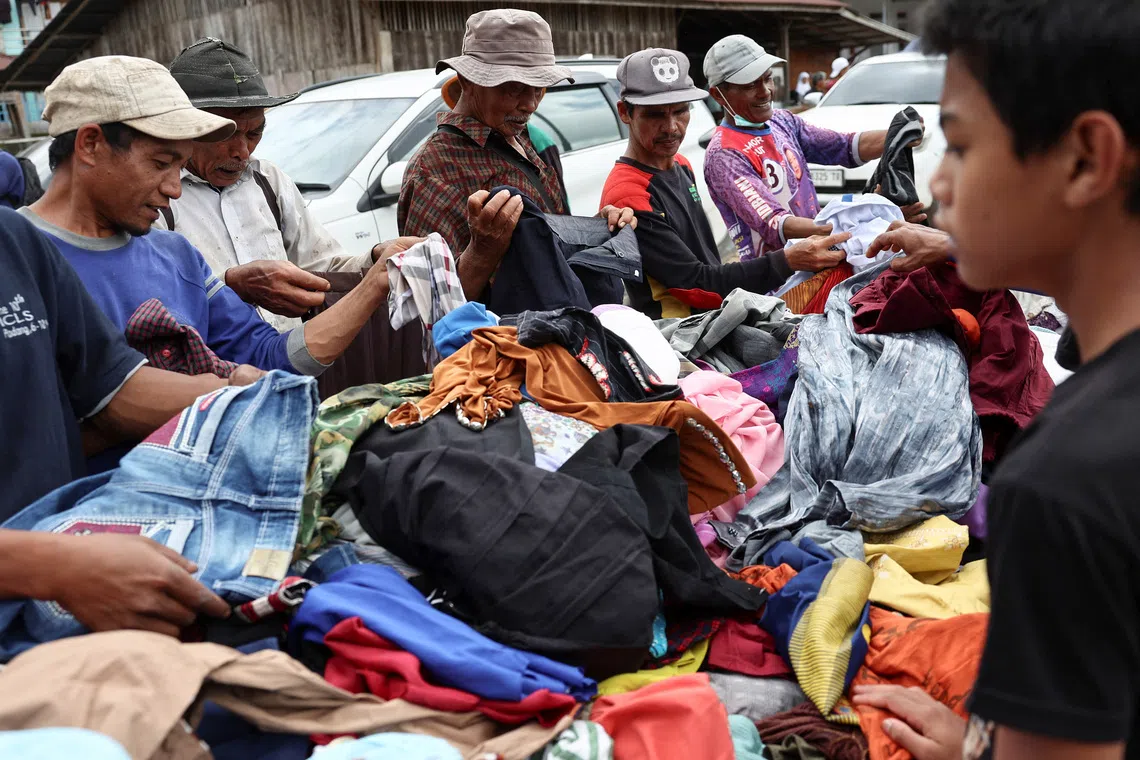
Indonesia's Sumatra island is grappling with a severe humanitarian crisis as cyclone-induced floods and landslides have unleashed devastation, claiming the lives of 804 people this week. The catastrophic events have left an additional 634 individuals missing across the provinces of West Sumatra, North Sumatra, and Aceh, with local authorities reporting critical shortages of essential supplies and funds for relief operations.
Mounting Desperation and Shortages on the Ground
The scale of the disaster is immense, affecting 3.3 million people and necessitating the evacuation of 576,000. In hard-hit regions like Nagan Raya in Aceh, where 25,000 people are impacted, relief efforts are severely hampered by a depleted budget. Teuku Raja Keumangan, an official from Aceh, highlighted the deteriorating health of residents and the financial strain on local relief work. Similarly, central Aceh, which witnessed 21 fatalities and 54,000 affected, is running critically low on fuel and rice. Haili Yoga, the region's chief, has urgently called upon the central government to declare a national emergency amidst growing public frustration over victims isolated from assistance. Even basic necessities are scarce, with residents in Aceh Tamiang resorting to cleaning and consuming muddy floodwaters due to a lack of fresh alternatives. Fuel distribution faces significant challenges in "nearly all" affected areas, as state energy firm Pertamina struggles to find alternative delivery routes, causing inevitable delays.
Central Government's Stance and Public Backlash
Despite the widespread suffering and urgent pleas from regional officials, the central government maintains that its existing disaster relief budget of 500 billion rupiah ($30 million) is sufficient and can be increased if needed. Presidential spokesperson Prasetyo Hadi reiterated this stance, following President Prabowo Subianto's earlier remarks that the situation was improving and current arrangements were adequate. This position has sparked considerable public anger, particularly on social media, where Indonesians are criticizing the government's refusal to declare a national emergency. Such a declaration, as seen during the COVID-19 pandemic, would unlock additional funds for relief and rescue operations, a power vested in the president. Adding to the controversy are reports of a 50% cut to the disaster mitigation agency's budget this year, according to official data. Home Affairs Minister Tito Karnavian has since urged unaffected regional governments to donate their unused funds to the struggling flood-hit areas, acknowledging that some local authorities feel "given up" on the response.
Underlying Causes and Future Concerns
Environmental groups are increasingly pointing fingers at rampant deforestation and illegal logging as significant contributing factors that have exacerbated the disaster's severity. As Indonesia grapples with the immediate crisis, the long-term implications of these environmental issues remain a pressing concern, threatening to amplify the impact of future natural calamities. The struggle continues for countless Indonesians, highlighting the urgent need for comprehensive and sustained relief efforts.