Lebanon & Israel Hold Historic Direct Civilian Talks After Decades of Hostility Amid US Mediation & Hezbollah Concerns
Dec 3, 2025
 Lebanon
International Relations
Lebanon
International Relations
Lebanon
International Relations
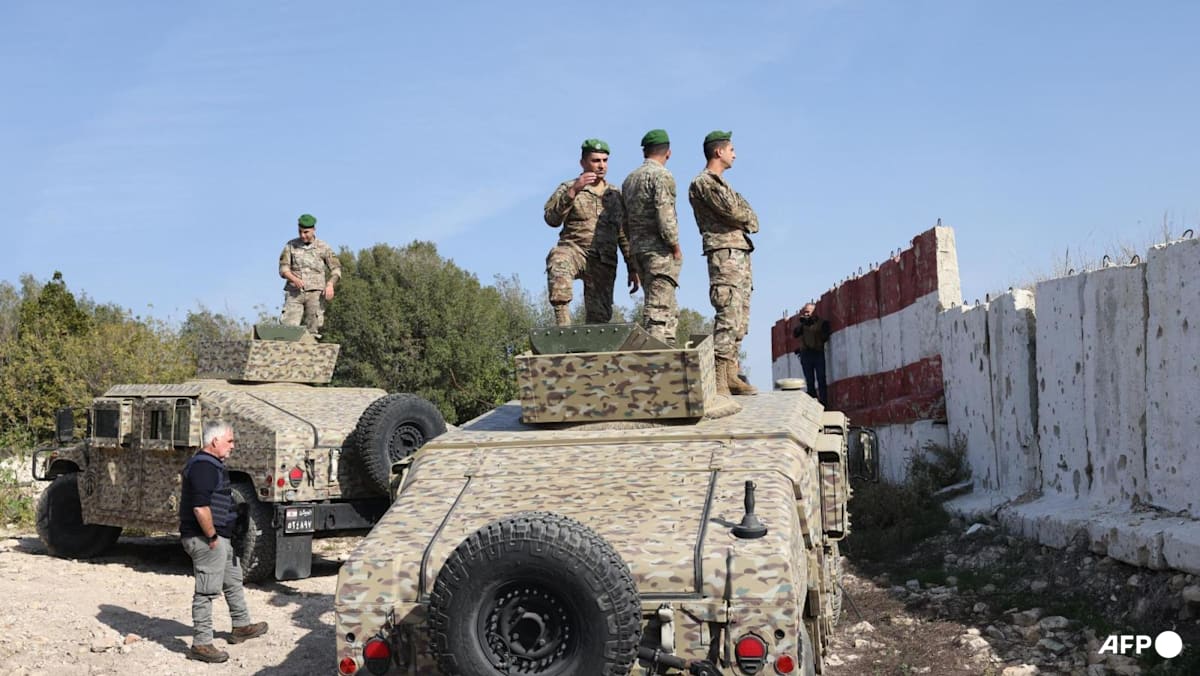
Lebanon and Israel held their first direct civilian talks in decades at the UN headquarters in Naqura, mediated by the US. The discussions aim to stabilize the
Historic Direct Talks: Lebanon & Israel Engage Civilians After Decades
In a significant diplomatic breakthrough for the Middle East, civilian representatives from Lebanon and Israel held their first direct talks in decades on Wednesday, December 3, 2025. This landmark meeting, hosted at the United Nations peacekeeping force's headquarters in Naqura, southern Lebanon, near the Israeli border, marks a crucial development in the year-old ceasefire monitoring mechanism.
US Mediation & Regional Stability Efforts
A source close to the negotiations, speaking to AFP, confirmed the historic nature of these discussions. The presence of Morgan Ortagus, the US special envoy for Lebanon, highlighted America's pivotal role in facilitating regional stability and its ongoing pressure on Beirut to disarm the militant group Hezbollah. Ortagus's participation followed her visit to Jerusalem, where she met with Israeli Foreign Minister Gideon Saar and reportedly Prime Minister Benjamin Netanyahu.
Traditionally, relations between Israel and Lebanon, which lack formal diplomatic ties, have been managed through military channels. However, the United States has been actively encouraging direct civilian engagement between the two nations, viewing it as a critical step towards stabilizing the region and weakening the influence of Iran-backed Hezbollah.
Shift Towards Civilian Engagement
Prime Minister Netanyahu's office announced the dispatch of a civilian representative to meet Lebanese officials, signaling an "initial attempt to establish a basis for ties" between the two countries. Concurrently, Lebanese President Joseph Aoun's office confirmed that their delegation would be led by former ambassador Simon Karam, with an acknowledgment that Israel's delegation would also include a "non-military member."
This shift to civilian leadership on the Lebanese side followed Beirut's expressed readiness for negotiations with its southern neighbor. Netanyahu has previously advocated for Lebanon to consider joining the Abraham Accords, a series of agreements that normalized relations between Israel and several Arab and Muslim nations.
Ceasefire Anniversary & Hezbollah Concerns
Netanyahu's office further elaborated on the initiative, stating the prime minister "instructed the acting director of the National Security Council to send a representative on his behalf to a meeting with government and economic officials in Lebanon." The stated aim is to "establish a basis for a relationship and economic cooperation between Israel and Lebanon."
These historic talks occurred shortly after the first anniversary of a fragile ceasefire between Israel and Hezbollah. This truce, initiated after over a year of hostilities stemming from Hezbollah's attacks in support of its Palestinian ally Hamas, has seen Israel continue targeted strikes in Lebanon. Israel maintains these operations are against Hezbollah members and infrastructure, aimed at preventing the group from rebuilding its military capabilities.
Under a government-approved plan, the Lebanese army is tasked with dismantling Hezbollah's military infrastructure south of the Litani River by year-end, before extending efforts nationwide. However, Israel has deemed these Lebanese efforts insufficient, escalating its strikes in recent weeks. On the truce's anniversary, the Israeli military reported approximately 1,200 "targeted activities" and the "elimination of more than 370 terrorists" from Hezbollah, Hamas, and other Palestinian groups during the ceasefire period.
Foreign Minister Gideon Saar, following his meeting with US envoy Ortagus in Jerusalem, reiterated on X that Hezbollah's violation of Lebanese sovereignty necessitates its disarmament for both Lebanon's future and Israel's security.
By news
8 months ago
No cameras found for this country.