Rebeca Grynspan Vows to Restore UN Trust Amid Trump Criticism & Advocates for First Female Secretary-General from Latin America
Dec 3, 2025
 Costa Rica
International Politics
Costa Rica
International Politics
Costa Rica
International Politics
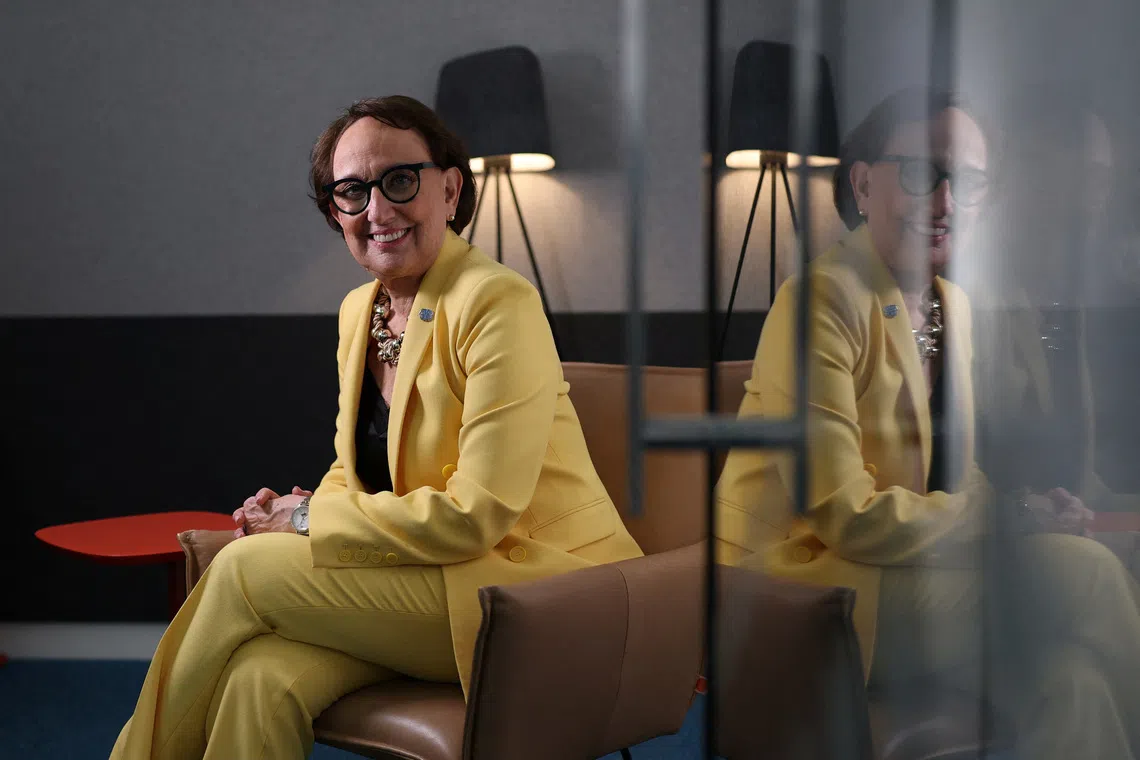
Rebeca Grynspan pledges to restore trust in the UN amid Trump's criticism and calls for reform. She advocates for the first female Secretary-General and greater
Rebeca Grynspan Vows UN Trust Restoration Amid Trump Criticism, Pushes for First Female Leader
Rebeca Grynspan, a distinguished senior official within the United Nations system and former Vice President of Costa Rica, has emerged as a prominent candidate to become the UN's first female Secretary-General. Amidst ongoing criticism from U.S. President Donald Trump, Grynspan has publicly committed to revitalizing trust in the global organization and championing essential reforms.
The formal selection process for the next UN chief commenced recently, with member states invited to put forward nominees to succeed Portugal's Antonio Guterres, whose term concludes at the end of 2026. If successful, Grynspan would assume leadership during a potential second Trump presidency, a period marked by his consistent skepticism towards multilateral institutions.
Addressing Trump's Critiques & Embracing Reform
President Trump, whose first term (2017-2021) was defined by a cautious approach to international cooperation, has accused the UN of falling short in mediating various global conflicts. While acknowledging the UN's "great potential," he has stressed the necessity for the organization to "get its act together." The current UN leadership has, in turn, defended its efforts, highlighting ongoing reforms and the life-saving impact of U.S. support for its programs.
In an interview conducted in London, the 69-year-old Grynspan suggested that Trump's criticisms, rather than being destructive, could be "constructive," serving as an impetus for improvement. "The U.N. has to embrace reform, not be defensive about reform," she asserted. She candidly acknowledged a "weakening of trust" in the institution, underscoring the vital need to rebuild confidence in an organization she deems indispensable for global stability.
Grynspan further pointed to the UN's significant accomplishments, including its role in reducing global poverty and improving maternal and infant mortality rates over its nearly 80-year history. "Institutions have to be able to look at themselves and... admit that they don't do everything right," she wisely noted, adding that discarding the UN's accumulated experience and infrastructure would be a grave error.
The Call for a Female UN Chief & Greater Inclusivity
The push for a woman to lead the 80-year-old institution has gained considerable momentum. Grynspan expressed bewilderment that a woman has yet to hold the top position, given the abundance of qualified female leaders. "We don't need special treatment. What we are really asking for is no discrimination," she stated, emphasizing the call for "equal treatment."
The next Secretary-General is widely expected to hail from Latin America and the Caribbean, adhering to the traditional regional rotation. Alongside Grynspan, other announced candidates include former Chilean President Michelle Bachelet and Argentine diplomat Rafael Grossi.
Grynspan also advocated for a more inclusive UN, reflecting its expanded membership. Since its founding with 51 states post-World War Two, the organization now boasts 193 member nations, many of whom had no input in its original 1945 framework. She argued for these "voices" to have "wider space to be heard," proposing reforms such as granting permanent Security Council seats to African and Latin American countries.
By news
8 months ago
No cameras found for this country.