
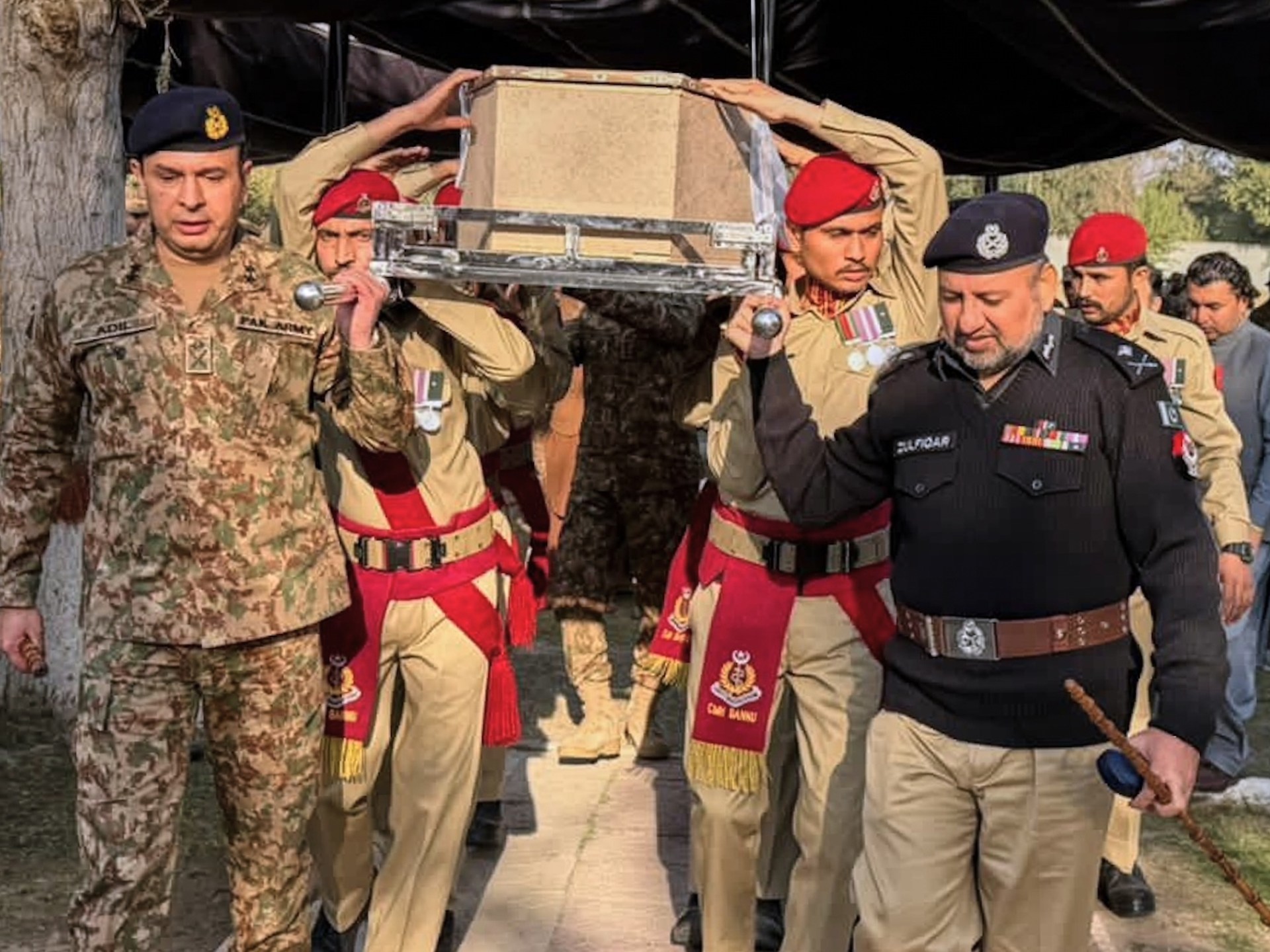
The volatile border region between Pakistan and Afghanistan was once again rocked by violence this week, as a roadside bomb claimed the lives of three Pakistani police officers. The deadly blast, which also wounded two other officers, occurred on Wednesday in the restive Khyber Pakhtunkhwa province, an area frequently plagued by militant activity.
While no group immediately claimed responsibility, Pakistan's Interior Minister Mohsin Naqvi was quick to point fingers at the Tehreek-e-Taliban Pakistan (TTP), a militant group also known as the Pakistan Taliban. The TTP has a long history of carrying out attacks within the province, intensifying an already strained relationship between Islamabad and Kabul.
Escalating Cross-Border Tensions
The incident further fuels a simmering dispute between the two nations. Islamabad consistently accuses the Afghan Taliban of providing safe havens for TTP militants since their takeover of Afghanistan in 2021—a charge vehemently denied by Kabul. This accusation has led to a dangerous "spillover" effect, manifested in fierce border clashes last October that resulted in dozens of fatalities, marking the worst fighting since the Taliban's return to power. Although a tentative ceasefire has been in place since then, underlying tensions remain high.
Pakistan has faced a surge in militant attacks, including a suicide bombing at an Islamabad court complex that killed 12 people and an assault on a paramilitary headquarters in Peshawar. These incidents have heightened suspicion, with authorities attributing them to the TTP and subsequently arresting four members of an alleged Afghan cell following the Islamabad blast. Just a day prior to Wednesday's bombing, gunmen killed a local administrator and two officers in Bannu, Khyber Pakhtunkhwa, with a TTP faction claiming responsibility for that attack.
A Glimmer of Hope: Renewed Peace Talks
Amidst this cycle of violence and blame, reports emerged of fresh peace talks held between Kabul and Islamabad in Saudi Arabia. The Reuters news agency indicated that both parties reportedly agreed to uphold the existing ceasefire, with an Afghan official signaling openness to further meetings aimed at achieving a positive resolution. While a ceasefire was signed in Doha in October, a subsequent round of negotiations in Istanbul last month failed to yield a long-term agreement.
Pakistan's primary demand remains a firm commitment from Afghanistan to take decisive action against the TTP. However, Kabul maintains that it cannot be expected to guarantee the security of a neighboring country, highlighting the complex and deeply entrenched challenges in achieving lasting peace and stability in the region.