India Withdraws Mandatory App Order Amid Privacy Outcry
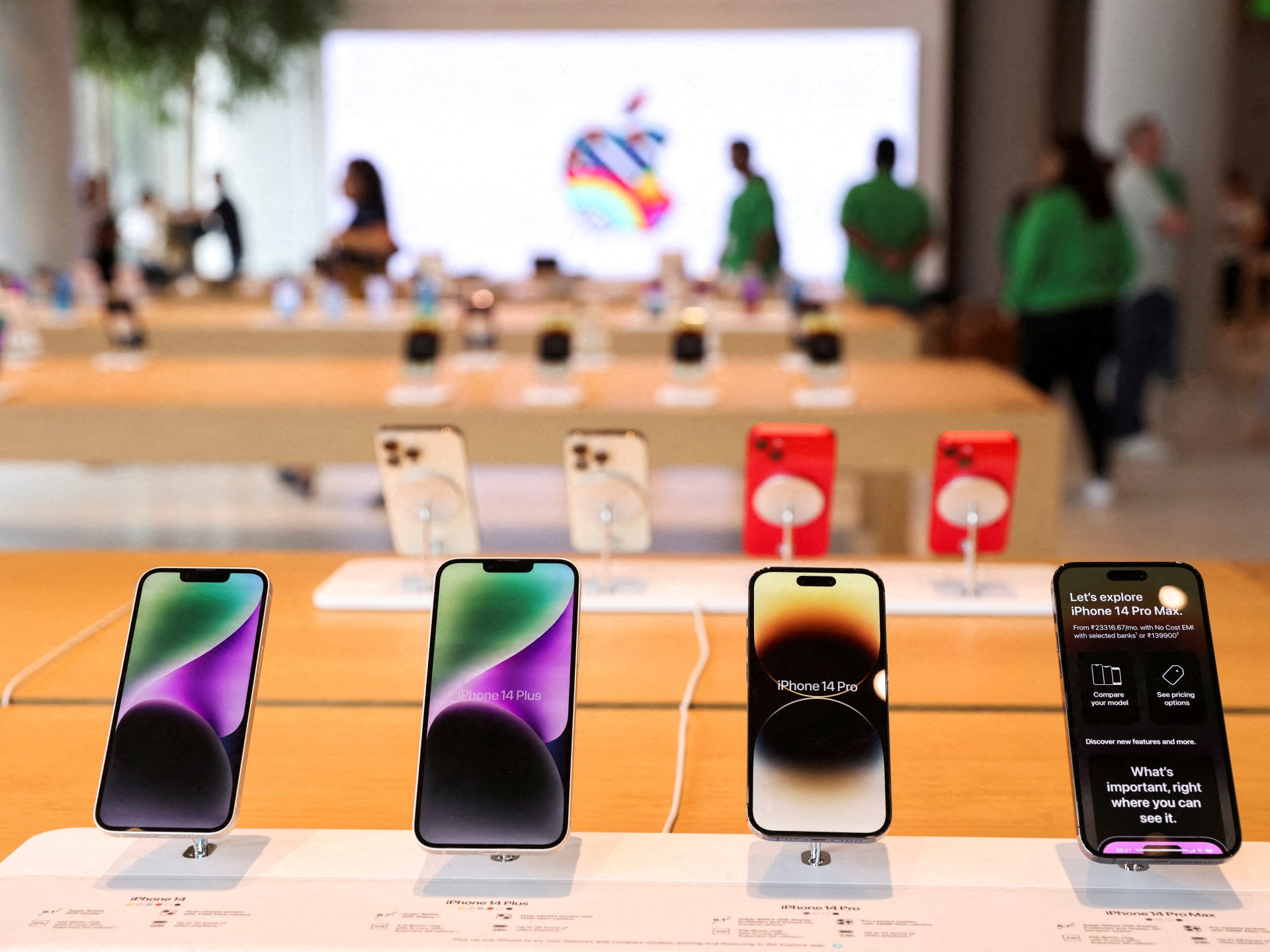
India has recently rescinded a controversial directive that would have compelled smartphone manufacturers, including industry giants like Apple and Samsung, to pre-install a government-owned cybersecurity application, Sanchar Saathi, on all new devices sold in the country. The move comes after a wave of significant backlash from tech companies, digital rights organizations, and political figures who raised serious concerns about user privacy and potential surveillance.
The Initial Directive and its Intent
Justification and Functionality
Issued by India's Department of Telecommunications on November 28, the order granted manufacturers a 90-day window to integrate the Sanchar Saathi app into all newly produced or imported mobile handsets intended for the Indian market. The directive stipulated that the app must be "readily visible and accessible" to users upon first use, with its functionalities neither disabled nor restricted. For existing devices, companies were encouraged to push the app via software updates.
The government, led by the Bharatiya Janata Party (BJP), defended the mandate as a crucial step to combat mobile phone fraud and misuse. Officials asserted it would help identify and report suspicious International Mobile Equipment Identity (IMEI) activities. IMEI is a unique 15-digit number identifying each mobile device, and the app was intended to enable "stakeholders to report IMEI-related suspicious misuse and also to verify authenticity of IMEIs."
Widespread Opposition and Privacy Concerns
Tech Industry and Advocacy Groups React
This order quickly ignited a fierce debate. Reports indicated that Apple, a major player in the Indian smartphone market, was prepared to defy the directive, citing profound privacy and security implications, stating it does not follow such mandates anywhere globally. Another industry source noted Samsung was reviewing the order.
Digital privacy advocates swiftly denounced the move. The Internet Freedom Foundation (IFF) of India called it an "alarming expansion of executive control over personal digital devices." While acknowledging the government's stated aim of curbing IMEI fraud as legitimate, the IFF argued that the chosen method was "disproportionate, legally fragile, and structurally hostile to user privacy and autonomy."
Political Scrutiny and Past Precedents
Political opposition also mounted, with Congress leader and Lok Sabha member Priyanka Gandhi labeling Sanchar Saathi a "snooping" application and "ridiculous." The Delhi-based Software Freedom Law Centre echoed these sentiments, expressing fears of a "slippery slope of function creep" that could expand state surveillance capabilities without adequate public discourse. Critics drew parallels to the 2020 controversy surrounding the Aarogya Setu app, a COVID-19 contact tracing tool that many digital rights experts branded a "privacy minefield."
Government Reverses Course
Official Statement and Public Reception
Amidst mounting pressure, the Indian government signaled a willingness to reconsider the order. Early on Wednesday, December 3, 2025, it announced its decision to revoke the mandatory pre-installation clause. India's Communications Ministry clarified in a press statement that while the app is "secure and purely meant to help citizens from bad actors in the cyber world," pre-installation would no longer be compulsory for manufacturers.
The IFF, while welcoming the reversal as a "welcome development," noted it was still awaiting the full legal text of the accompanying revocation order to understand its complete implications.
An International Parallel: Russia's "Max" App
Interestingly, India is not alone in exploring such digital mandates. Earlier this year, Russia introduced its own state-backed app, "Max," designed to deter stolen phone fraud and broaden access to government digital services. Mandatory on all new mobile phones and tablets sold in Russia since September 1, Max is integrated with state platforms. Despite Russian authorities' claims of enhanced security and a "safer" digital ecosystem, critics in Russia also voice concerns that the app could primarily serve surveillance purposes, an allegation Moscow denies. Russia also imposed restrictions on WhatsApp and Telegram voice calls, citing national security.