Putin's Mindset on Ukraine: Peace Talks Collapse, Kremlin Believes in Victory Despite Economic Challenges
Dec 3, 2025
 Russia
Geopolitics
Russia
Geopolitics
Russia
Geopolitics
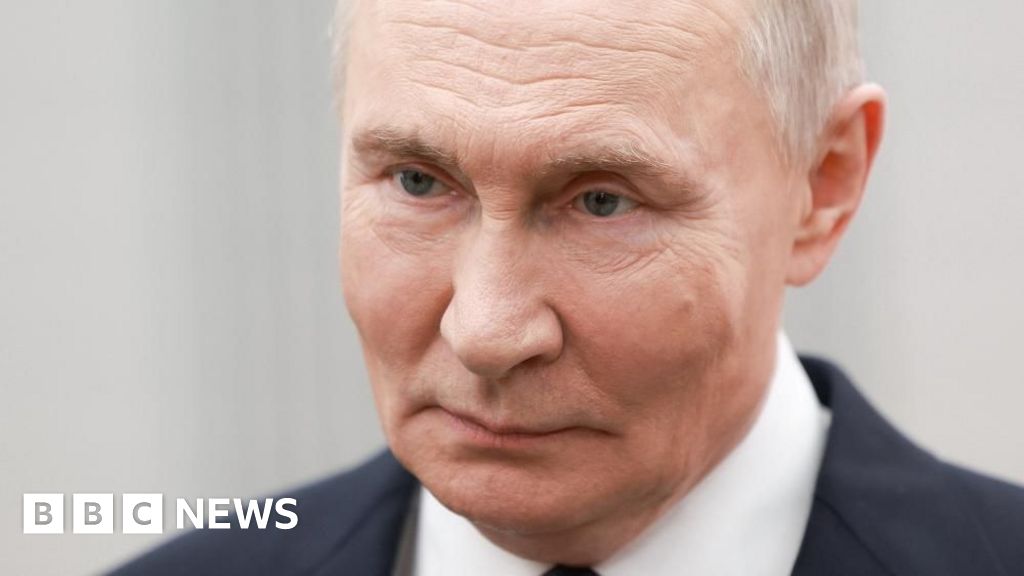
Recent Ukraine peace talks failed as Russian President Putin remains unwilling to compromise, convinced of victory despite economic pressures. Moscow acknowledg
Putin's Unyielding Stance: Ukraine Peace Efforts Hit a Wall
Recent diplomatic efforts aimed at resolving the nearly four-year-old conflict in Ukraine have concluded without a breakthrough, offering a revealing glimpse into Russian President Vladimir Putin's current mindset and intentions. Following extensive talks in Moscow, involving key figures such as Putin himself, US envoy Steve Witkoff, and former adviser Jared Kushner, the Kremlin's foreign policy aide Yuri Ushakov explicitly stated, "No compromise version has yet been found."
Kremlin's Unwavering Position
This lack of consensus is hardly surprising given Putin's increasingly uncompromising rhetoric. In recent public statements, the Russian leader has consistently labeled the Ukrainian leadership as a "thieving junta" and accused European leaders of attempting to derail peace initiatives. He firmly asserts that Russia maintains the upper hand on the battlefield, a claim frequently disputed by Ukraine and international observers.
Indeed, Russian state television has recently broadcast footage of Putin in military attire, poring over front-line maps and touting alleged military successes. Despite heavy losses sustained by Russia and the significant economic toll incurred during the full-scale invasion of Ukraine, President Putin appears convinced that victory is within reach. This conviction underpins his belief that the present moment is not conducive to halting hostilities.
The "Putinmobile" Analogy: Unstoppable Force?
Analysts often describe Putin's approach as that of an unstoppable force, likened to a vehicle hurtling down a motorway without brakes, steering, or a reverse gear. Nearly four years into the conflict, there is no indication that this "Putinmobile" intends to deviate from its course, turn back, or come to a halt. It is clear that the Russian leader wishes his adversaries – be they European leaders, the Trump administration, or President Zelensky – to believe that no external pressure can compel him to change direction.
However, even the most formidable vehicles require fuel, and nations engaged in war demand a constant supply of financial resources. Despite a battery of international sanctions, the Russian government has thus far managed to finance its "special military operation." Yet, economic headwinds are gathering strength.
Economic Realities and Future Uncertainty
Revenues from vital oil and gas exports have been declining, leading to a widening budget deficit. Even Putin himself has acknowledged these "imbalances" within the Russian economy. This week, he conceded, "In several sectors, production output not only failed to increase this year but actually decreased. Are we satisfied with such trends? No."
This burgeoning economic pressure presents the ultimate unknown: at what critical juncture, if any, will these financial concerns begin to weigh on the Kremlin's strategic calculations and influence its decisions on the battlefield? The answer to this question remains pivotal for the future trajectory of the conflict.
By news
8 months ago