
Brazil's Para State Postpones Crucial Amazon Cattle Tracking Until 2030
Brazil's Amazonian state of Para has significantly pushed back the deadline for implementing crucial cattle tracking measures. This decision is seen by environmentalists as a major setback to ongoing efforts aimed at combating deforestation in the vital Amazon rainforest.
Extended Deadline for Traceability
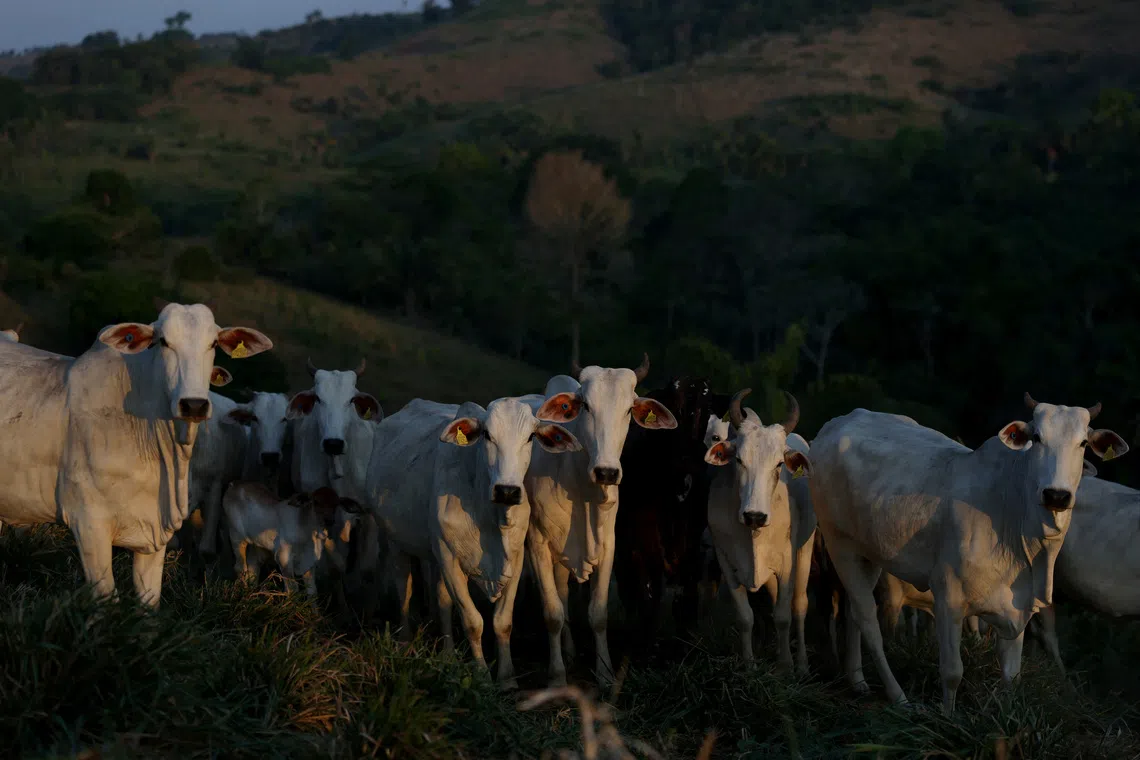
According to a decision recently published in the state's official gazette, Governor Helder Barbalho has extended the deadline for the individual identification of bovine and buffalo herds to December 31, 2030. This new timeline represents a substantial departure from the previous regulations, which required Para cattle ranchers to identify their herds with ear tags by January 1, 2026, and achieve full tracking of all animals by January 1, 2027, provided their animal transit records were in order.
Implications for Deforestation Fight
This delay directly impacts regional policies designed to prevent the expansion of illegal ranching into deforested areas. Environmental organizations consistently highlight that robust cattle traceability is an indispensable tool to prevent beef sourced from illegally cleared land from entering the supply chain. This is particularly critical given Brazil's position as the world's largest beef exporter.
Ranchers' Challenges and Environmental Concerns
The non-profit organization Imaflora commented on the extension, noting it was a direct response to requests from ranchers who cited "challenges" in the practical implementation of the tracking measure. Imaflora expressed concern, stating, "The ambitious deadline originally set was in line with the urgency imposed by climate change and created a favorable environment for generating innovative public policy solutions." This suggests the original, tighter schedule was considered more aligned with the pressing need for climate action and fostering innovative environmental governance.
Para's Cattle Industry and National Policy
Para state boasts an immense cattle population of approximately 26 million head, a figure comparable to Australia's entire national herd. This makes it Brazil's second-largest cattle-herding state, only surpassed by Mato Grosso.
Despite this state-level postponement, Brazil's national cattle tracking program is slated to roll out in four stages, as outlined in a Ministry of Agriculture norm issued earlier this year. The federal government has indicated that a nationwide ban on the movement of any cattle or buffalo not individually identified and registered in the official system will take effect from January 1, 2033, signaling a broader, long-term commitment to comprehensive traceability across the country, even amidst regional adjustments.