
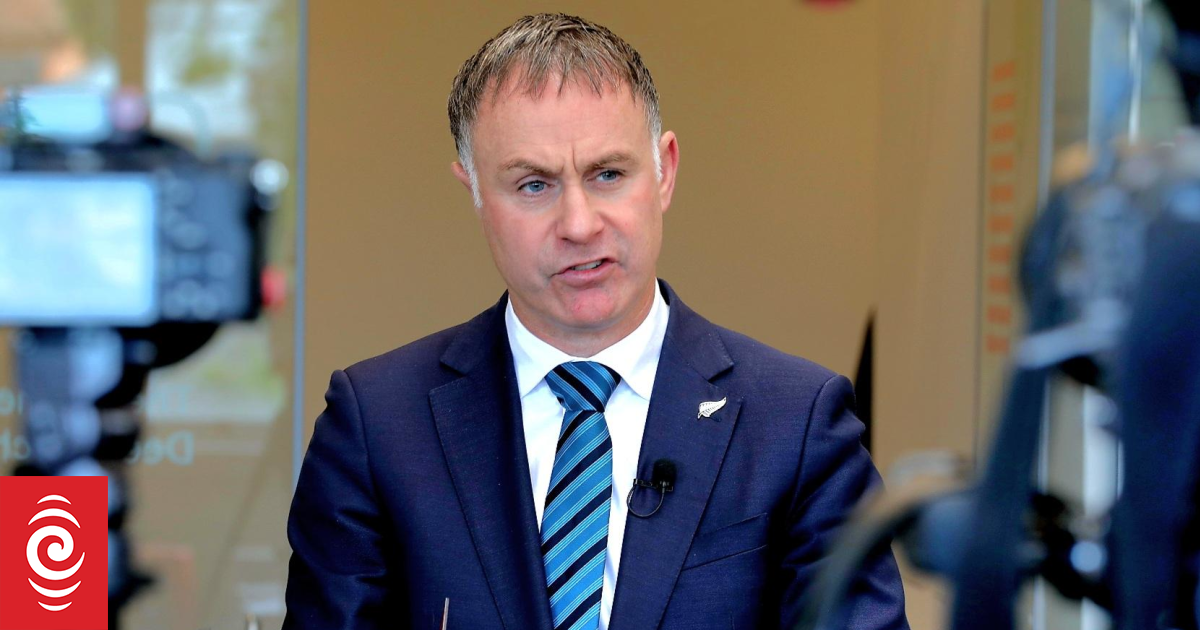
The New Zealand government has formally dismissed every recommendation from its Climate Change Commission aimed at bolstering the nation's emissions reduction targets. This decision comes despite urgent warnings from the Commission that climate change impacts are escalating in New Zealand more rapidly and severely than anticipated, emphasizing the country's capacity and duty to act more decisively.
Government's Stance on Key Targets
The ruling coalition had previously signaled its intent to forgo stronger 2050 targets for both methane and carbon emissions. This has now been confirmed, with significant implications:
- Methane Emissions: The government will amend existing law to adopt a weaker methane reduction target, moving from the previously recommended 24-47 percent reduction by 2050 down to a more lenient 14-24 percent.
- Carbon Dioxide and Long-Lived Gases: Advice to transition from a 2050 net-zero target to a more ambitious 2050 net-negative target for carbon dioxide and other long-lived gases has also been rejected. The current net-zero goal will remain.
- International Emissions: Recommendations to integrate emissions from international shipping and aviation into New Zealand's national targets were also dismissed. The government stated these would continue to be addressed through global cooperation.
- Post-2050 Reductions: The Commission's call for ongoing emissions reductions beyond 2050 was also turned down, with the government asserting that detailed post-2050 frameworks are best developed closer to that time.
Economic Concerns vs. Climate Urgency
While acknowledging that strengthened targets would contribute to limiting global warming and offer co-benefits like enhanced energy security and improved public health, the government's analysis pointed to significant economic costs. Their modeling suggests a 0.4 percent lower GDP by 2035 and a 2.2 percent lower GDP by 2050 compared to the status quo, if the Commission's recommendations were adopted.
The government argued that shifting to stronger targets "would entail economic costs and is substantially less feasible than alternative pathways," also noting the need for "major policy reform and private sector action." Concerns from rural communities regarding potential land-use changes and food production losses linked to a strengthened methane target were also cited as a factor in their decision-making.
Commission's Persistent Warnings
In its November advice, the Climate Change Commission, chaired by Dame Patsy Reddy, highlighted a deteriorating global outlook since the 2050 targets were initially established. "The impacts of global warming are greater in both severity and scale than was understood in 2019," the Commission stated, adding that "greater impacts are being felt at lower temperature levels than previously expected."
The Commission adamantly maintained that Aotearoa New Zealand "could and should do more," urging faster action to avoid a "harsher and costlier future transition" that would burden future generations with both severe climate impacts and greater emissions reduction responsibilities. Despite the government's economic concerns, the Commission asserted that while there are upfront costs to rapid decarbonization, its recommended targets were "compatible with ongoing economic growth," anticipating long-term cost savings from many proposed changes.
Furthermore, the Commission highlighted that the lower end of its strengthened methane target could be achieved using existing technologies and farm management systems. Regarding international shipping and aviation, which account for 9 percent of New Zealand's emissions, the Commission noted broad public support for their inclusion in national targets, a point rejected by the government due to perceived higher economic costs.
This divergence underscores a critical tension between immediate economic considerations and the long-term imperative of climate action in New Zealand.