Trump Sees Unclear Path for Ukraine Peace After Moscow Talks; Zelensky Team Prepares for US Meetings Amid Corruption Concerns
Dec 4, 2025
 Ukraine
International Relations
Ukraine
International Relations
Ukraine
International Relations
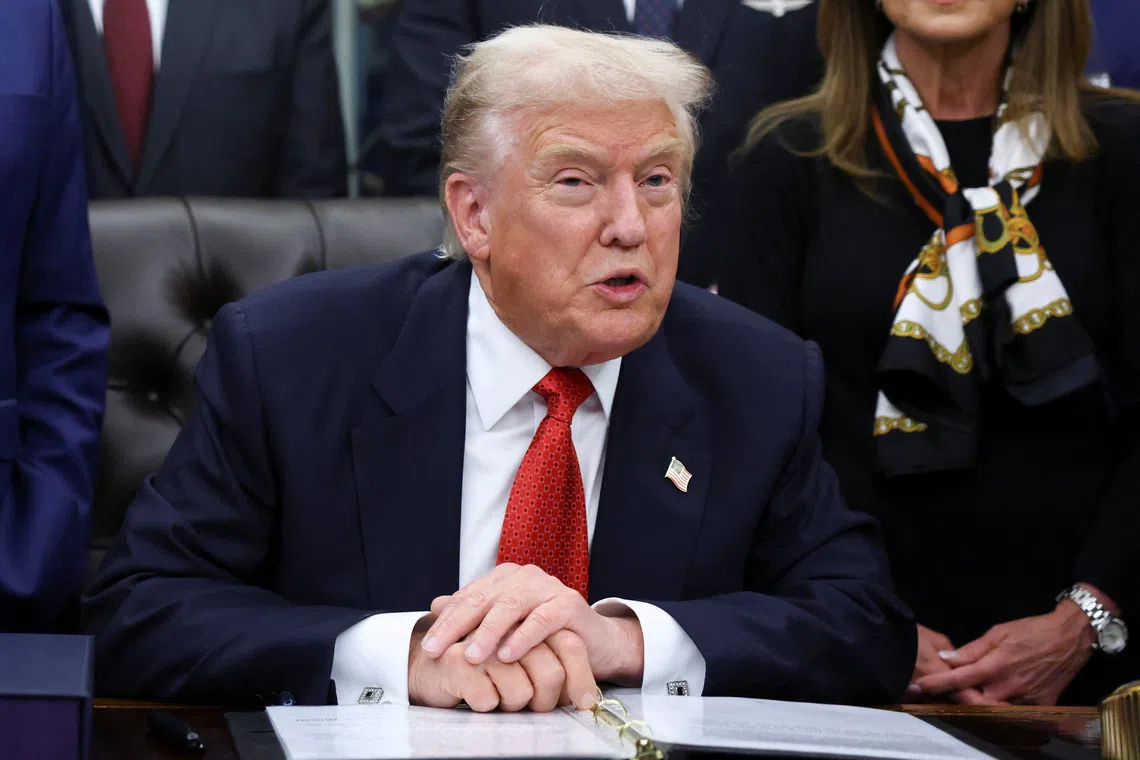
US President Trump states Ukraine peace talks are unclear after Moscow meeting with Putin's envoys. Zelensky prepares for US meetings, insisting on Ukraine's in
Future of Ukraine Peace Talks Remains Uncertain Post-Moscow Meeting
US President Donald Trump has cast a shadow of uncertainty over the future of Ukraine peace negotiations, despite characterising recent discussions between Russian President Vladimir Putin and US envoys in Moscow as "reasonably good." Following an extensive meeting on December 3, which saw US special envoy Steve Witkoff and Trump's son-in-law Jared Kushner spend hours at the Kremlin, no definitive breakthrough emerged to end the ongoing conflict.
Trump's Outlook and Upcoming Meetings
Trump, speaking from the Oval Office, relayed his impression from Witkoff and Kushner's briefing that Putin "would like to make a deal." However, the path forward remains ambiguous. "What comes out of that meeting I can’t tell you because it does take two to tango," Trump remarked, hinting at the complexity without further elaboration. He did add that "We have something pretty well worked out (with Ukraine)," and a White House official confirmed Witkoff and Kushner were slated to meet Ukrainian officials in Miami on December 4.
Kremlin's Perspective on Negotiations
Kremlin spokesman Dmitry Peskov countered suggestions that Putin outright rejected US proposals. He described the December 3 exchange as the "first direct exchange of views," where "some things were accepted, some things were marked as unacceptable." Peskov framed this as a "normal working process of finding a compromise," although a Kremlin aide acknowledged that "compromises have not yet been found."
Ukraine's Stance Amidst Internal Challenges
Ukrainian President Volodymyr Zelensky, in turn, affirmed his team's preparations for US meetings, emphasizing that dialogue with Trump's representatives would persist. He underscored Ukraine's firm stance: "Only by taking Ukraine’s interests into account is a dignified peace possible."
These intensified negotiations unfold amidst a challenging period for Kyiv. Ukraine is currently losing ground on its eastern front and grappling with its most significant corruption scandal since the war began. The chief of staff for President Zelensky, who had previously led Ukraine's peace talk delegation, resigned on November 28 after anti-corruption investigators searched his residence. Adding to the turmoil, two cabinet ministers have been dismissed, and a former business associate of Zelensky has been implicated in the ongoing crackdown.
Moscow's Discretion and Expert-Level Discussions
Moscow has expressed gratitude for Trump's mediation efforts, but Peskov indicated that the Kremlin would refrain from offering running commentary on US discussions, deeming publicity counterproductive at this stage. He stated that "Work is currently being carried out at a working expert level," with the expectation that "certain results should be achieved that will then become the basis for contacts at the highest level."
Evolving Peace Frameworks and Disagreements
The backdrop to these talks includes a previously leaked set of 28 US draft peace proposals in November, which sparked alarm among Ukrainian and European officials for allegedly conceding too much to Moscow. European powers subsequently introduced a counter-proposal. During separate talks in Geneva, the US and Ukraine announced they had formulated an updated and refined peace framework. However, President Putin asserted on December 2 that European nations were attempting to derail peace efforts with "absolutely unacceptable" ideas for Russia.
Putin’s foreign policy aide, Yuri Ushakov, revealed after the Witkoff talks that Moscow had received a 27-point proposal, followed by four additional documents, all of which were discussed. Last week, Putin also noted that the US and Ukraine had divided the initial proposals into four distinct components, the exact contents of which remain undisclosed. The path to peace remains intricate and shrouded in uncertainty.
By news
9 months ago
No cameras found for this country.