US Finalizes Lower Tariffs for Korean Autos, Aircraft & Lumber, Boosting Exports & Easing Uncertainty
Dec 4, 2025
 South Korea
International Trade Policy
South Korea
International Trade Policy
South Korea
International Trade Policy
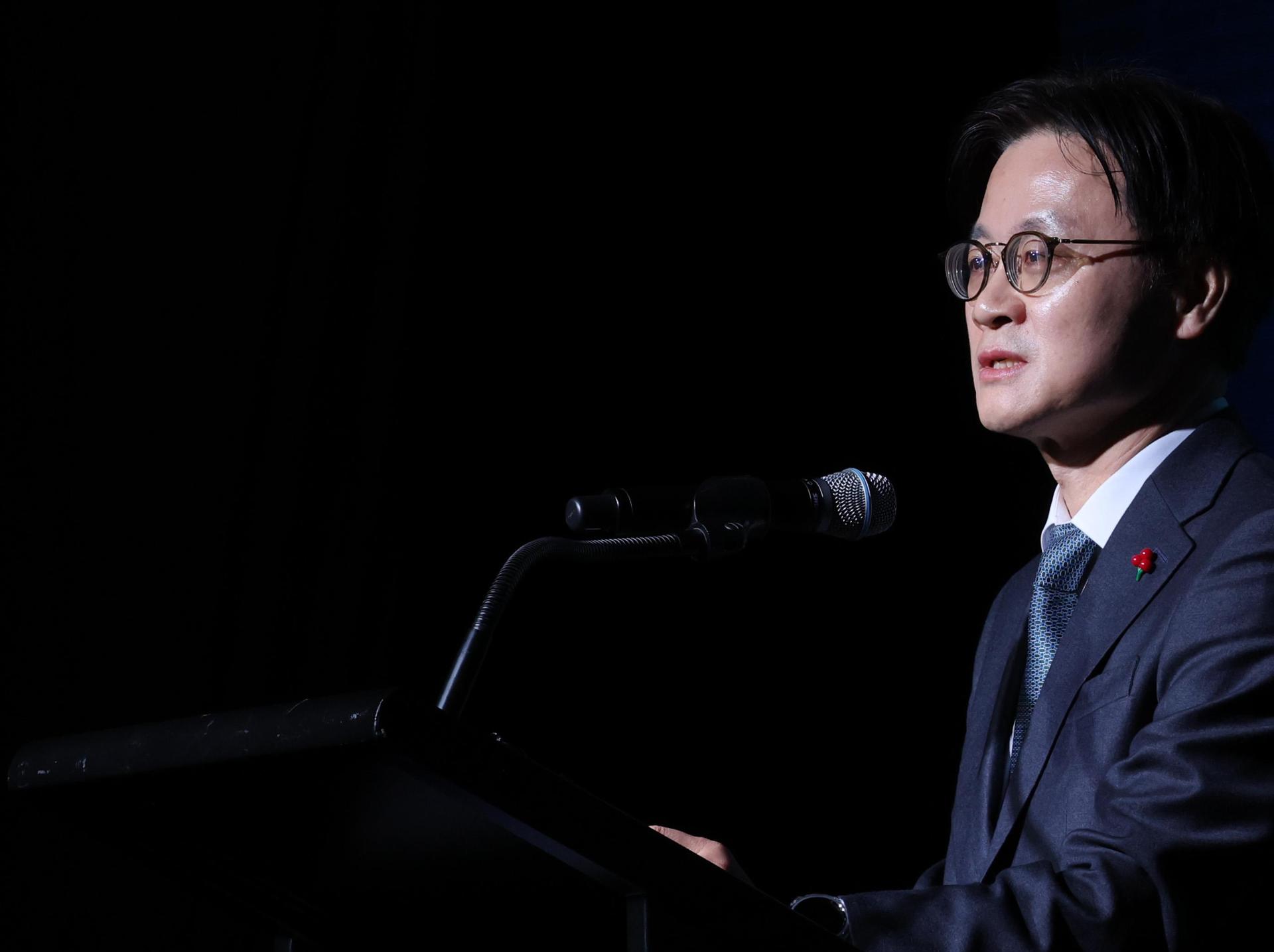
The US has confirmed reduced tariffs on South Korean automobiles, aircraft, and lumber products, effective Nov 1. This move eases export uncertainties for Korea
US Finalizes Lower Tariffs for Korean Autos, Aircraft, and Lumber
The path for South Korean exports to the United States has become significantly clearer as Washington officially confirmed a reduction in tariffs for key Korean goods, including automobiles, aircraft, and lumber products. This announcement, made public on the Federal Register, was welcomed by Seoul's Industry Minister Kim Jung-kwan on Thursday, signaling a welcome alleviation of uncertainties for Korean exporters.
Minister Kim Highlights Positive Impact
Minister Kim emphasized the positive impact of the U.S. administration's decision, noting that the finalized tariff cuts apply to some of South Korea's most substantial export categories to the U.S. These include not only finished automobiles but also critical auto parts, aircraft and their components, and various lumber products. "It is fortunate that the U.S. administration has finalized tariff reductions on our major export items... which are our largest export categories to the U.S.," Kim stated in a press release, highlighting how this measure directly addresses and removes a significant layer of uncertainty for companies navigating international trade.
Beyond these tariff adjustments, the South Korean government, as articulated by Minister Kim, is committed to further assisting businesses. Efforts will focus on streamlining the export process by tackling issues like customs clearance through dedicated consultations on tariff responses and the implementation of tariff-voucher programs.
Key Tariff Details Confirmed
The official notice outlining these tariff changes was posted on the Federal Register by the administration of U.S. President Donald Trump, preceding its formal publication. This crucial document details the implementation of specific tariff elements stemming from a broader Korea-U.S. trade agreement.
Among the key provisions, Korean automobiles and auto parts—those entered for consumption or withdrawn from warehouses on or after 12:01 a.m. on November 1—are now subject to a 15 percent tariff. This represents a substantial decrease from the previous sector-specific rate of 25 percent and is retroactively effective from November 1. Similarly, a reciprocal tariff rate of 15 percent has been established for various Korean products.
Furthermore, imports of timber, lumber, and their derivatives will face tariffs of up to 15 percent, effective from 12:01 a.m. on November 14. Duties on certain aircraft and aircraft parts also commenced on the same date. Notably, Korean products covered by the World Trade Organization Agreement on trade in civil aircraft, excluding unmanned aircraft, will be exempt from these reciprocal and sector-specific tariffs on steel, aluminum, and copper.
Outcome of Broader Trade Agreement
These tariff adjustments are a direct outcome of a comprehensive trade deal finalized between South Korea and the United States on October 29. As part of this agreement, Seoul committed to an substantial investment of $350 billion in the U.S., a commitment made in exchange for these significant tariff reductions. The specifics of this agreement were further detailed in a joint fact sheet released by both nations on November 13, followed by the signing of a memorandum of understanding for Seoul's investment in the U.S. on the subsequent day. The collaborative efforts underscore a strengthened economic partnership aimed at mutual benefit and reduced trade barriers.
By news
9 months ago
No cameras found for this country.