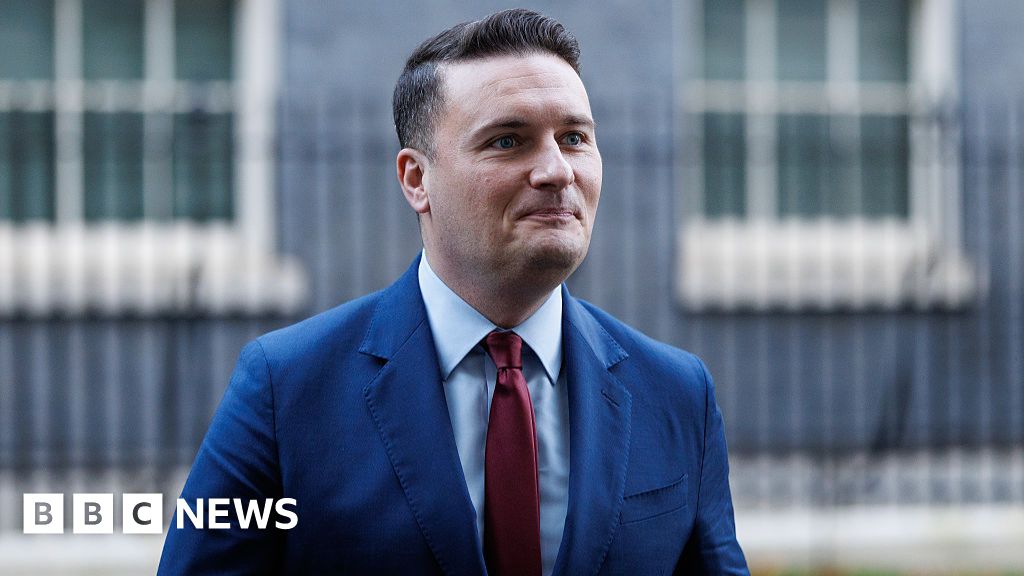
Health Secretary Wes Streeting has initiated a comprehensive independent review into the escalating demand for mental health, ADHD, and autism support services across England. This significant move comes as the government grapples with increasing pressures on its national healthcare system and a growing welfare bill.
Understanding the Review's Scope and Rationale
Streeting has previously voiced concerns about potential "overdiagnosis" of mental health conditions, a sentiment echoed by the government's argument that system strain often leads to extensive wait times for individuals desperately needing help. He emphasized a commitment to examining the issue through a "strictly clinical lens" to gain an evidence-based understanding. This approach, he stated, is crucial for ensuring timely access to accurate diagnoses and effective support for everyone.
Funding and Welfare System Intersections
The Department of Health and Social Care (DHSC) announced this review alongside an allocation of £688 million in additional funding. However, the timing also aligns with broader ministerial efforts to address the rising costs associated with welfare benefits. Earlier this year, the government faced significant opposition, including from over 100 Labour backbenchers, compelling a rollback of proposed cuts to disability benefits that would have impacted those with mental health conditions. Prime Minister Rishi Sunak recently reaffirmed a push for welfare system reform, asserting it has "trapped people in poverty" and "wrote young people off as too ill to work."
Leadership and Timeline for Findings
The independent review will be spearheaded by the distinguished clinical psychologist Professor Peter Fonagy. Its findings are anticipated to be released in Summer 2026. Professor Fonagy highlighted the review's objective: "to test assumptions rigorously and listen closely to those most affected, so that our recommendations are both honest and genuinely useful."
The Growing Challenge: Statistics and Service Strain
Data from the Institute for Fiscal Studies (IFS) reveals a substantial increase in working-age adults in England and Wales claiming disability or incapacity benefits. This figure has risen from nearly three million in 2019 to approximately four million by March of this year. The DHSC acknowledged that this escalating pressure on the NHS has resulted in prolonged waits, overstretched services, inequalities in care, and a profound sense of abandonment for those with acute needs.
Responses from Key Organizations
Leading mental health organizations have broadly welcomed the government's announcement:
- Mind: Chief executive Dr. Sarah Hughes hailed it as a "huge opportunity to really understand what is driving increasing levels of mental illness, especially among our young people."
- Royal College of Psychiatrists: President Dr. Lade Smith urged the review to "rigorously identify gaps in care" while considering the "many complex reasons" driving people to seek help.
- National Autistic Society: The society underscored the urgency, noting that while assessment requests are stabilizing, average waiting times continue to soar.
This review aims to address these multifaceted challenges comprehensively, striving to ensure that England's mental health, ADHD, and autism services are robustly equipped to meet the true needs of its population effectively.