Australia's U16 Social Media Ban Sparks Global Debate; Canada Considers Similar Online Safety Laws
Dec 4, 2025
 Australia
Social Media Regulation & Youth Safety
Australia
Social Media Regulation & Youth Safety
Australia
Social Media Regulation & Youth Safety
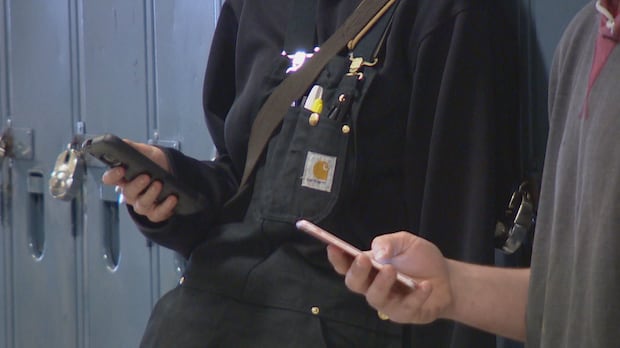
Australia is implementing a new law banning social media for users under 16, prompting account deactivations. Experts debate age verification efficacy and priva
Australia is set to enforce a groundbreaking law on December 10, requiring social media platforms like Instagram, TikTok, Snapchat, and YouTube to ban users under the age of 16. This landmark legislation, aimed at shielding minors from online harms, is already leading to account deactivations and holds for Australian youth. The bold move has garnered significant global attention, particularly in Canada, where similar discussions around youth online safety are underway.
The new Australian mandate targets a list of prominent social media platforms, including Facebook, Threads, YouTube, TikTok, Snapchat, Twitch, X (formerly Twitter), Reddit, and Kick. These companies must deactivate existing accounts for users under 16 and prevent new registrations from this age group.
The Intricacies of Age Verification
Implementing this ban relies heavily on age verification technologies. Each platform is tasked with establishing its own process, often combining registration data with advanced artificial intelligence. Tech analyst Carmi Levy explains that AI systems analyze user behavior, followers, and engagement patterns to identify potential underage accounts. For instance, Meta (owner of Instagram and Facebook) has publicly stated its reliance on AI for this purpose. Flagged users can appeal by submitting government-issued ID or a video selfie. Similarly, Snapchat intends to use photo ID, third-party selfie analysis, or even links to banking information for verification.
However, the efficacy of such verification methods is a significant point of contention. Levy characterizes current age verification technology as an “unmitigated disaster,” citing numerous instances of legitimate users being wrongly flagged or removed. He expresses serious concerns about the privacy and data integrity implications of submitting sensitive personal information, such as driver's licenses or facial scans, to these platforms. The automated nature of these processes, often lacking human oversight for complaint resolution, further compounds these worries.
Criticisms and Legal Challenges
Beyond technical hurdles, critics like digital rights advocate Matt Hatfield, executive director of OpenMedia, question the overall effectiveness of chasing young people across the internet with age blocks. He argues that focusing directly on preventing and addressing cyberbullying is a more impactful approach.
This sentiment is echoed by Noah Jones, a 15-year-old Australian student who is a co-plaintiff in a lawsuit challenging the ban. Jones contends that the law infringes upon young Australians' constitutional rights and cuts off vital communication channels. He highlights a crucial paradox: if young people circumvent the ban and encounter harm, they might be less likely to report it due to fear of repercussions for being on the platforms illegally.
Canada's Potential Path Forward
The Australian initiative is being closely watched worldwide, particularly by nations considering their own online safety legislation for minors. Carmi Levy anticipates that the verification systems deployed in Australia will likely serve as a blueprint for other countries.
In Canada, discussions around online safety have been ongoing. While a previously proposed Online Harms Act did not pass due to a federal election, Matt Hatfield believes a revised bill could easily be reintroduced. He emphasizes, however, that Canada should ideally prioritize legislation that considers the nuanced impacts on young users and avoids simply mirroring Australia's “bold but not very thoughtful” approach to balancing rights and protections.
Ultimately, experts like Levy stress that while legislative efforts are important, parental involvement remains paramount. He advises Canadian parents to proactively engage with their children about online best practices and responsible digital citizenship, asserting that “the government isn't going to save your kid digitally.”
By news
9 months ago