UK & Norway Forge Naval Alliance: Combatting Russian Submarine Threats & Protecting Vital Undersea Cables
Dec 4, 2025
 United Kingdom
Defense & Security
United Kingdom
Defense & Security
United Kingdom
Defense & Security
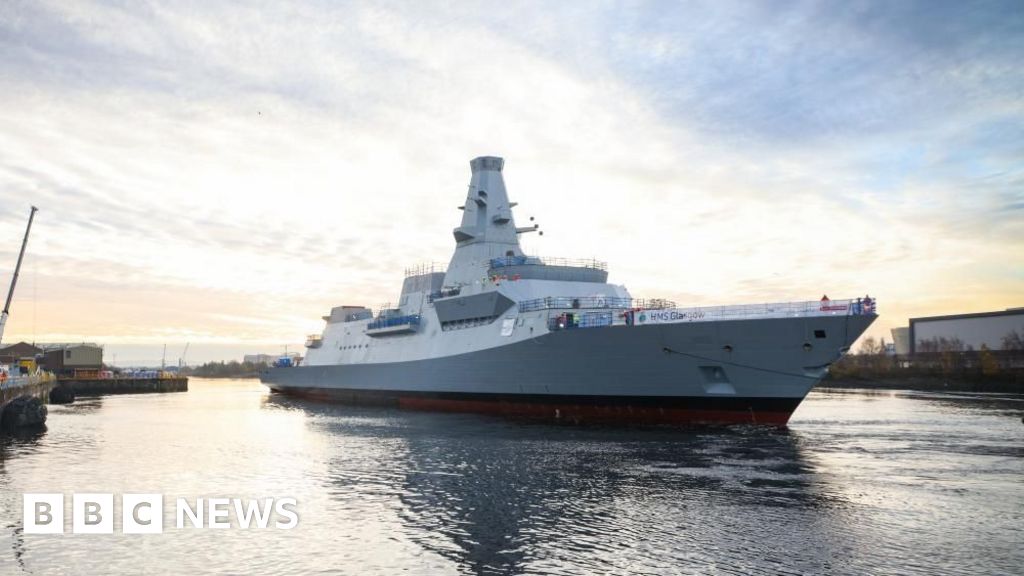
The UK and Norway sign a historic defense pact, combining naval fleets to hunt Russian submarines and protect vital undersea cables in the North Atlantic. The a
UK and Norway Forge Alliance to Counter Russian Submarine Threats
In a significant move to bolster North Atlantic security, the United Kingdom and Norway have officially sealed a landmark defense pact. This strategic alliance aims to counter growing Russian submarine activity and safeguard critical undersea infrastructure, including vital data cables and energy pipelines connecting Britain to its North Sea neighbors.
The agreement establishes a combined naval fleet, primarily utilizing British-built Type-26 frigates, to conduct joint patrols and surveillance missions. British officials have highlighted a concerning 30% surge in Russian vessel sightings within UK waters over the past two years, underscoring the escalating threat to subsea networks crucial for communication and energy flow.
A United Front Against Rising Tensions
The pact was formalized as UK Prime Minister Keir Starmer welcomed his Norwegian counterpart, Jonas Støre, to RAF Lossiemouth in northern Scotland. Starmer lauded the agreement as "historic," emphasizing its role in strengthening the UK's capacity to protect its essential infrastructure. During their visit, both leaders received briefings from maritime patrol crews actively monitoring Russian vessels, including the controversial spy ship Yantar. Western nations frequently track the Yantar, officially designated an oceanic research vessel by Russia, amid suspicions that its true mission involves mapping sensitive undersea cables.
This robust partnership, known as the Lunna House agreement—named after a World War Two Norwegian resistance base in the Shetland Isles—is underpinned by a substantial £10 billion warship deal signed in September. Norwegian Defence Minister Tore O Sandvik, who co-signed the deal with UK Defence Secretary John Healey, affirmed the nations' shared commitment to "defend themselves together."
Enhanced Capabilities and Joint Operations
Under the new accord, at least 13 anti-submarine vessels from the UK and Norway, with a minimum of five contributed by Norway, will operate collaboratively across northern Europe. Their primary objective will be to monitor Russian naval movements in the strategic waters spanning Greenland, Iceland, and the UK, thereby securing the seabed cables and pipelines vital for British communications, electricity, and gas networks.
The alliance extends beyond joint patrols, encompassing extensive war gaming exercises and the deployment of UK-built Sting Ray torpedoes. Royal Marines are also slated to undergo specialized training in Norway, preparing them for combat in extreme sub-zero conditions. Further collaboration will focus on developing advanced "motherships" for uncrewed mine hunting and next-generation undersea warfare systems. The Royal Navy is set to integrate advanced Norwegian Naval Strike Missiles, capable of neutralizing enemy ships at ranges exceeding 160km (100 miles).
Defence Secretary John Healey underscored the urgency of the pact: "In this new era of threat and with increasing Russian activity in the North Atlantic, our strength comes from hard power and strong alliances." The heightened tensions following the invasion of Ukraine have intensified concerns among the UK and its NATO allies regarding Moscow's potential threat to underwater infrastructure.
The National Security Strategy Committee previously warned in a September report that attacks on undersea infrastructure could precipitate "catastrophic disruption" to the financial and communications systems on which Britons rely. This new alliance represents a proactive step to mitigate such risks and ensure regional stability.
By news
9 months ago