Tunisian Opposition Figure Nejib Chebbi Arrested Amid Escalating Political Crackdown; Critics Denounce Conspiracy Charges
Dec 4, 2025
 Tunisia
Politics
Tunisia
Politics
Tunisia
Politics
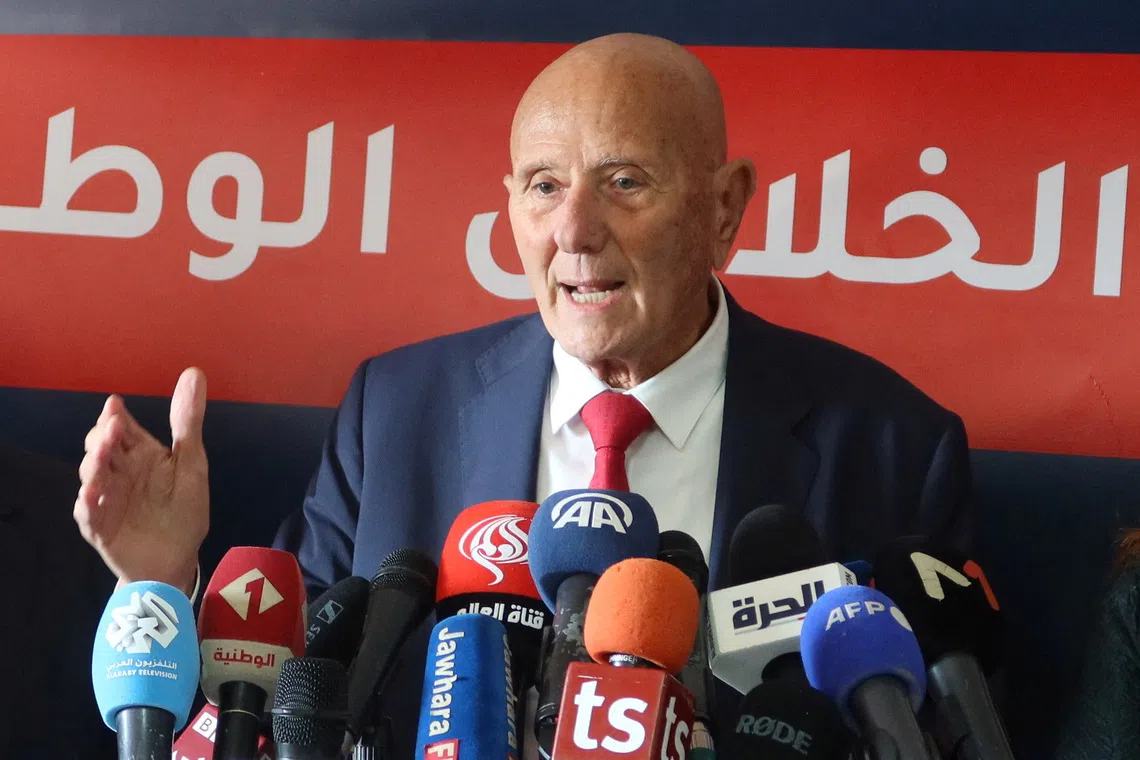
Veteran Tunisian opposition leader Nejib Chebbi, 82, was arrested to serve a 12-year conspiracy sentence. This is part of an escalating crackdown on dissent by
Tunisian authorities have apprehended prominent opposition leader Ahmed Nejib Chebbi, 82, to begin serving a 12-year prison sentence for a conspiracy conviction. This arrest marks the latest development in what critics describe as an intensifying clampdown on political dissent orchestrated by President Kais Saied.
A Veteran Opposition Figure Targeted
Chebbi, a veteran figurehead of the National Salvation Front, has been a vocal critic of successive governments since the 1970s. He navigated the autocratic eras of former presidents Habib Bourguiba, the country's first leader, and Zine El Abidine Ben Ali, who was ousted during the 2011 pro-democracy revolution.
Broadening Political Crackdown
The crackdown has seen numerous high-profile figures targeted. Recently, an appeals court upheld lengthy jail terms, some extending up to 45 years, for dozens of opposition leaders, business professionals, and legal practitioners. These individuals face charges of conspiring to overthrow President Saied, a move that opponents argue underscores his increasingly authoritarian governance.
Among others affected are Chaima Issa, now facing a 20-year prison term, and opposition lawyer Ayachi Hammami, sentenced to five years, both involved in the same conspiracy case. In protest of their detentions, both Issa and Hammami have initiated open-ended hunger strikes. This "conspiracy case" has embroiled 40 individuals, making it one of Tunisia's most extensive political prosecutions in recent memory.
Calls for Protests and Reactions
Prior to his arrest, Chebbi conveyed to Reuters his acceptance of impending imprisonment, simultaneously calling upon Tunisians to "escalate protests to save democracy, which Saied seeks to suppress." His son, Louay Chebbi, echoed this sentiment of defiance, stating, "They arrested him, but they will not be able to stop the countdown to the hour of freedom."
Conflicting Narratives: State Security vs. Rights Groups
Tunisian security officials maintain that the defendants, including former intelligence chief Kamel Guizani, intended to destabilize the North African nation and depose Saied. However, international and local human rights organizations assert that the recent verdicts and sentences represent a significant escalation in Saied's campaign against political rivals and opposition figures, a campaign that began when he assumed extraordinary powers in 2021. This period has also seen the jailing of critics, journalists, and activists, alongside the suspension of independent non-governmental organizations.
The opposition vehemently refutes the charges, labeling them fabricated and designed to silence President Saied's critics through judicial means. President Saied, for his part, has consistently framed his actions as a necessary battle against rampant corruption within the political elite, vowing to hold all implicated parties accountable irrespective of their status. He has also categorically denied any interference in the judicial process. However, when the conspiracy case first emerged in 2023, Saied publicly denounced the politicians involved as "traitors and terrorists," even suggesting that any judge who acquitted them would be an accomplice.
By news
9 months ago
No cameras found for this country.