Chinese Executive Suspect in Indonesia Caesium-137 Contamination Probe; US Export Recalls & Scrap Metal Origin Investigated
Dec 4, 2025
 Indonesia
Environmental Crime
Indonesia
Environmental Crime
Indonesia
Environmental Crime
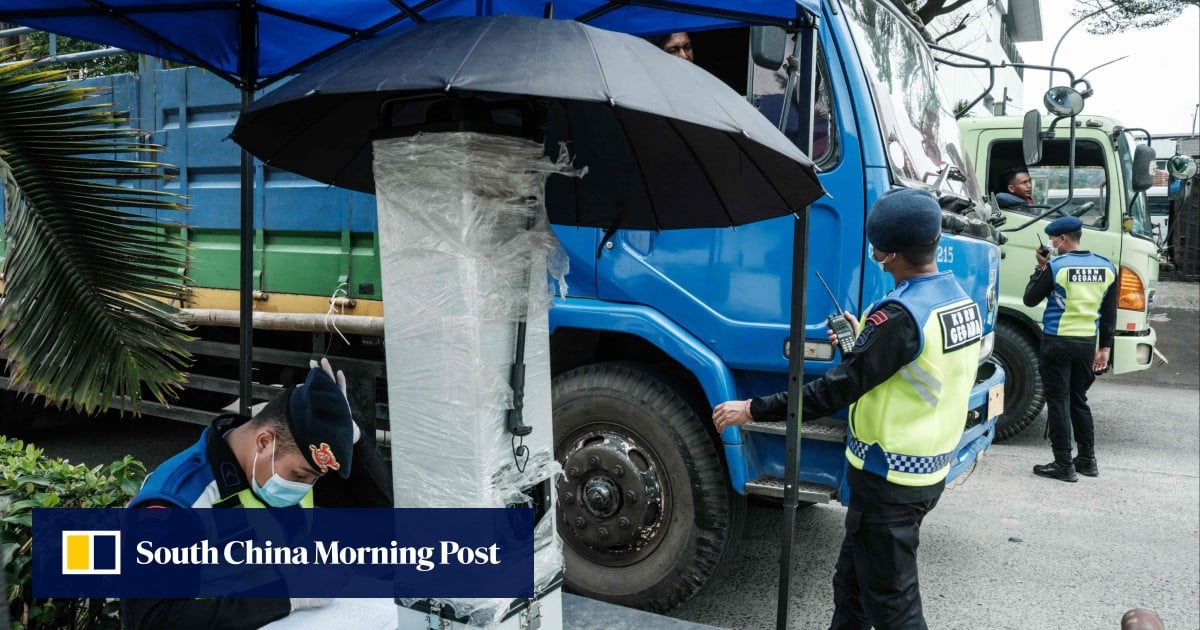
An Indonesian probe named a Chinese executive from PT Peter Metal Technology a suspect in caesium-137 contamination, leading to US export recalls. The contamina
Chinese Executive Suspect in Indonesia Radioactive Contamination Probe
Indonesia has launched a significant investigation into a severe radioactive contamination incident, naming a Chinese executive as a key suspect. Lin Jingzhang, a director at PT Peter Metal Technology (PMT), is currently under intense scrutiny for his alleged involvement in a caesium-137 contamination case. This incident has had serious repercussions, including the recall of certain Indonesian exports to the United States.
Key Executive Identified in Caesium-137 Case
Bara Hasibuan, a spokesperson for the investigating task force, officially confirmed that Lin Jingzhang, a citizen of the People’s Republic of China, has been designated a suspect by the Indonesian National Police’s Criminal Investigation Unit. This crucial development signals a deepening of the investigation as authorities work to uncover the origins and full extent of the hazardous radioactive material discovered.
Investigation Challenges and Cooperation
The core of the incident is located at the Cikande Industrial Estate in Banten province on Java island, the operational base for PMT. Initially, investigators faced significant hurdles in contacting company representatives, as the entire management team reportedly departed for China. However, a breakthrough has occurred: Lin Jingzhang has committed to cooperating with the ongoing inquiry and is expected to return to Indonesia for questioning. This willingness to assist is considered a vital step forward in resolving the complex case.
PT Peter Metal Technology Operations and Supply Chain
PT Peter Metal Technology specializes in the production of stainless steel, primarily utilizing scrap and waste steel as its raw materials. Over its ten months of operation in Indonesia, the company processed a substantial volume, at least 3,000 tons, of raw materials sourced from numerous domestic suppliers. Interestingly, all the stainless steel produced by PMT is exclusively destined for export to China.
Origin of Contamination: Domestic Scrap
Preliminary findings strongly suggest that the caesium-137 contamination originated from a domestic source within Indonesia. Investigators hypothesize that the radioactive material entered the industrial supply chain through the acquisition of used goods and scrap, which contained old industrial equipment. This equipment, likely harboring caesium-137, was reportedly obtained either through legal or illegal means but critically lacked the appropriate storage, supervision, and disposal protocols mandated by existing regulations. The ongoing investigation is now intensely focused on tracing these specific domestic sources and identifying the regulatory failures that allowed such dangerous material to infiltrate the industrial ecosystem.
By news
9 months ago
No cameras found for this country.