Honduras Election Fraud Claims: Centrist Nasralla Alleges Data Tampering After Trump-Backed Asfura Takes Lead
Dec 4, 2025
 Honduras
Politics
Honduras
Politics
Honduras
Politics
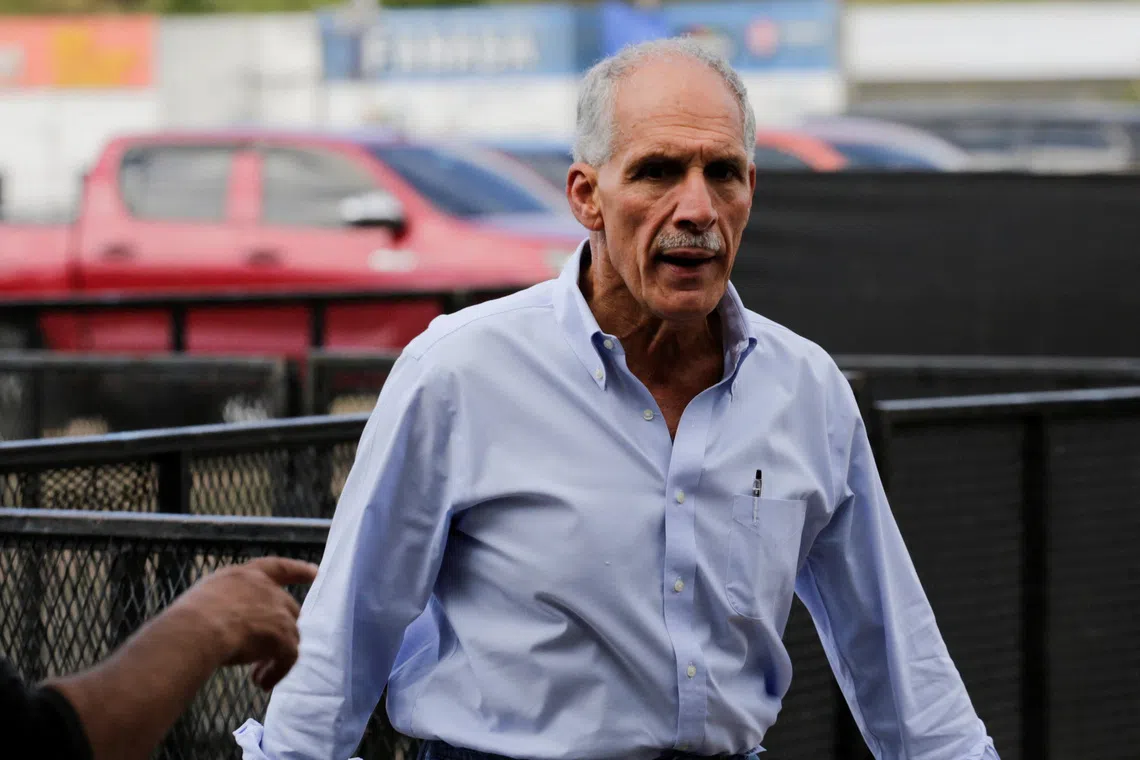
Honduran centrist candidate Salvador Nasralla claims election fraud after Trump-backed Nasry Asfura narrowly gained the lead. Vote data inconsistencies prompt a
Honduras Election Rocked by Fraud Allegations as Trump-Backed Candidate Takes Narrow Lead
Tegucigalpa, Honduras – The highly contested presidential election in Honduras has plunged into controversy, with centrist candidate Salvador Nasralla leveling serious accusations of fraud after his rival, Nasry Asfura, narrowly surged ahead. Asfura, backed by former U.S. President Donald Trump, gained a slim lead overnight, overturning Nasralla's earlier advantage in the vote count that began on Tuesday.
Nasralla Alleges Data Manipulation
In a post on the social media platform X, Nasralla claimed that the screen displaying vote data went blank at 3:24 a.m., after which “an algorithm changed the data,” unfairly favoring Asfura. This alleged manipulation granted Asfura a higher tally, despite Nasralla having led the count for days. The electoral body's website is currently updating the contentious results.
The lead-up to the vote in the small Central American nation was already marred by months of fraud allegations. The election drew international attention when Donald Trump publicly endorsed Asfura, a 67-year-old former mayor of Tegucigalpa, and made unsubstantiated claims of possible fraud in the initial vote tally.
Key Figures and Contested Ballots
With approximately 85% of the tally sheets processed, each representing votes from a single polling station, Asfura of the National Party secured 40.08% of the vote, leading Nasralla of the Liberal Party (39.70%) by about 10,100 votes. Rixi Moncada of the ruling leftist LIBRE Party remained a distant third. A crucial 17% of tally sheets have been flagged for inconsistencies and are slated for review by the country's electoral authority.
Nasralla's online post, however, did not provide concrete evidence to support his claims of vote tampering. He urged an investigation into a “Colombian company involved in these changes, ASD.” ASD, which is responsible for handling Honduras' ballot processing, has not yet publicly responded to these accusations.
Echoes of Past Electoral Controversies
Honduras has a history of elections plagued by fraud allegations, dating back to the fiercely disputed 2013 presidential contest. Opposition leaders then accused the ruling party of manipulating results and violating campaign finance regulations. Nasralla invoked this history, stating that Honduras “will not allow a repeat of the Batson curve,” a clear reference to David Matamoros Batson, a former electoral tribunal chief whose tenure became synonymous with controversial late-night vote swings.
Ana Paola Hall of the electoral body acknowledged the historically thin margin between the frontrunners and initially commended candidates for refraining from premature victory declarations or attempts at sabotage. However, the latest tally represents another significant shift in a closely watched, seesaw race where the two leading candidates have repeatedly swapped positions as hand-counted results slowly trickled in. Preliminary results released earlier in the week had been described as a “technical tie” by the electoral body.
Chaotic Reporting Amidst Calm Voting
While independent observers reported that Sunday's voting itself was calm and peaceful, the subsequent reporting of results has been anything but. Marred by repeated starts and stops, the chaotic process has intensified public frustration. Members of the electoral council have pointed fingers at the company managing the tabulating platform for the numerous pauses in the vote count.
Trump's involvement extended beyond Asfura's endorsement; he also controversially pardoned former Honduran President Juan Orlando Hernandez of Asfura's National Party, who had been convicted in the U.S. on drug trafficking and weapons charges. Despite the politically charged atmosphere, the streets of Tegucigalpa remained calm on Thursday as citizens patiently awaited the final outcome.
The Honduran presidency is determined in a single round, with the candidate receiving the most votes declared the winner, regardless of the margin or whether they achieve a majority. In previous cycles, contested results have tragically led to widespread protests and violent crackdowns by security forces, a scenario the nation hopes to avoid.
By news
9 months ago
No cameras found for this country.