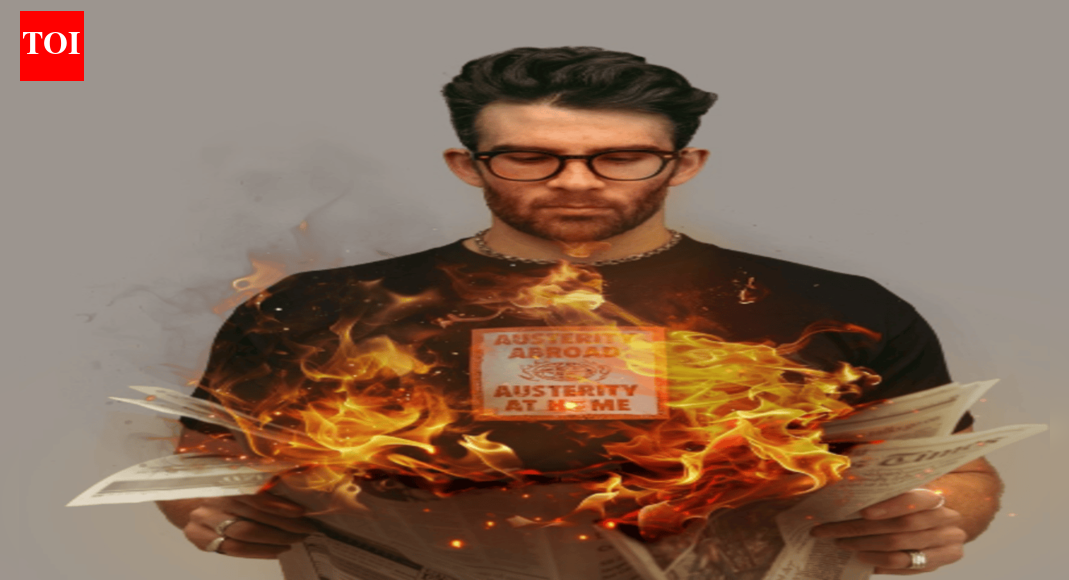
On , popular streamer Hasan Piker, widely known as HasanAbi, experienced an unexpected interruption during his IRL stream in Ireland. A masked individual appeared, brandishing a sign that read "Free Kaya," a clear reference to a prior controversy involving Piker's dog. This in-person confrontation quickly escalated beyond a simple fan interaction for Hasan. It became a pivotal moment for him to publicly criticize several high-profile content creators—specifically Asmongold, Ethan Klein of H3H3 Productions, and Steven "Destiny" Bonnell—accusing them of cultivating an environment that normalizes and even glorifies real-world harassment and stalking directed at streamers. Piker emphasized that the reappearance of the "Free Kaya" meme in such a direct, physical manner represented a dangerous escalation of fan behavior that, in his view, demanded unequivocal condemnation rather than encouragement.
The "Free Kaya" Controversy: A Timeline
The origin of the "Free Kaya" slogan dates back to when a controversial clip emerged. The video ostensibly showed Kaya, Hasan's dog, reacting with signs of pain during a stream, which quickly led to widespread allegations of shock collar misuse and animal cruelty. Prominent critics, most notably Ethan Klein, played a significant role in publicizing this video, labeling the alleged act as "psychopathic." What started as an intense online debate soon spilled over into the real world when the masked fan confronted Hasan during his street stream in Ireland. This incident starkly illustrated how virtual controversies can materialize into tangible, in-person encounters. Hasan leveraged this opportunity to highlight what he perceives as a broader trend: the normalization of irresponsible fan engagement, often inadvertently promoted by the creators themselves.
HasanAbi Demands Accountability from Fellow Creators
During his live broadcast, Hasan unequivocally criticized Asmongold for allegedly "celebrating" the masked fan's ambush. Hasan pointed out what he viewed as a stark hypocrisy, noting that segments of the same streaming community and some of these very creators had previously condemned a separate incident involving the alleged sexual assault of streamer Emiru, yet seemingly tolerated or even approved of the "Free Kaya" confrontation. This selective condemnation, Hasan argued, is both perilous and inconsistent.
Hasan's censure also encompassed Ethan Klein and Destiny. He accused both of having contributed to amplifying the "Free Kaya" narrative and other prior disputes. Piker asserted that their actions foster an online atmosphere where fans feel entitled to engage in harassment, stalking, or even direct physical confrontations with content creators. He underscored the critical blurring of lines between what constitutes acceptable "content" and genuine real-world endangerment, especially when such confrontational acts are presented as mere memes or entertainment.
This passionate outburst from the streamer is rooted in a history of ongoing disagreements. Earlier, Ethan Klein and other commentators had harshly criticized the alleged shock-collar clip as "animal cruelty." Destiny, who has a well-documented history of public conflicts with Hasan, was additionally accused by Piker of promoting or tolerating violent threats directed at him.
Hasan delivered a clear warning: by making light of or applauding real-world confrontations, the broader streaming community risks legitimizing stalking and harassment as acceptable forms of interaction. He urged fellow creators to actively discourage uninvited fan appearances, particularly at private or personal events, and to seriously reflect on the tangible, real-world consequences of framing harassment as mere "content."
HasanAbi’s forceful denouncement following the "Free Kaya" stream sniper incident represents a pivotal moment in how streamer culture grapples with fan interactions that overstep personal boundaries. By explicitly naming Asmongold, Ethan Klein, and Destiny, he is not only demanding accountability for individual actions but also challenging the overarching tone and culture that can inadvertently enable harassment. Regardless of how the wider community chooses to respond—whether by engaging with his concerns or dismissing them as mere online drama—Hasan’s core message remains unambiguous: treating stalking, doxxing, or public confrontation as entertainment is not only irresponsible but profoundly perilous.