Israel's Eurovision 2026 Participation Sparks Controversy as Spain, Ireland, Netherlands, Slovenia Withdraw Over Gaza War
Dec 5, 2025
 Israel
International News
Israel
International News
Israel
International News
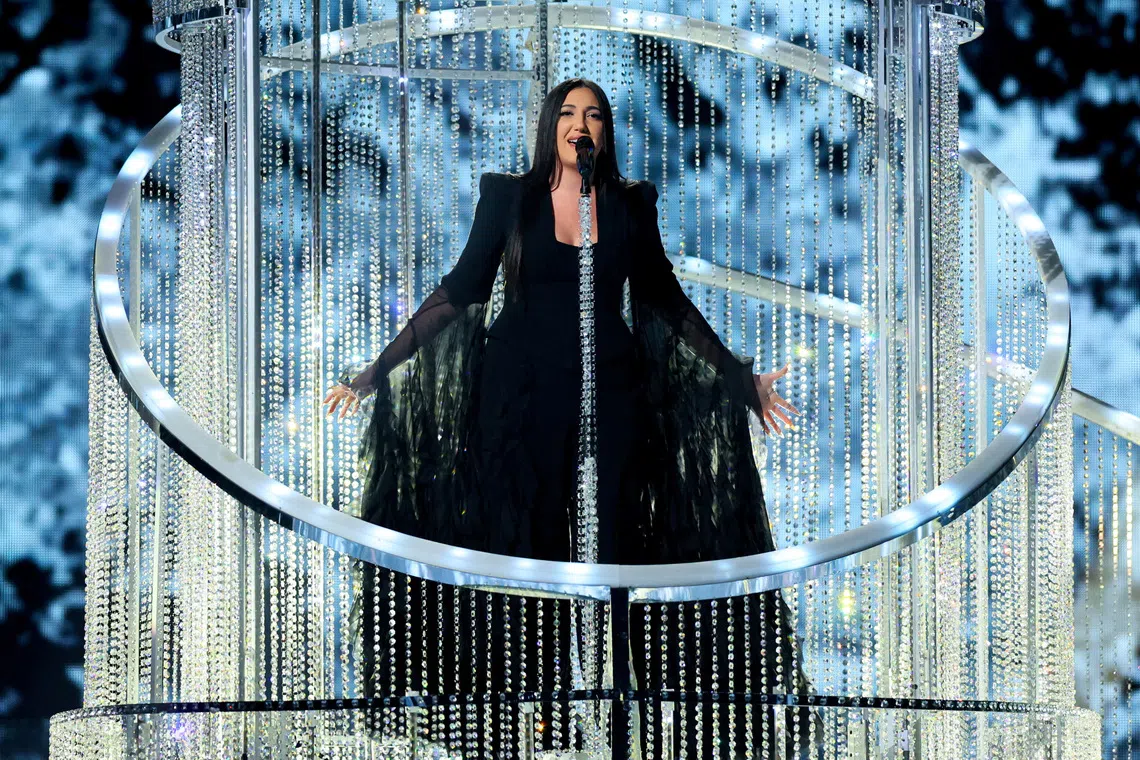
Israel is cleared for Eurovision 2026 despite withdrawals from Spain, Ireland, Netherlands, and Slovenia in protest over the Gaza war. The EBU passed new rules.
Eurovision Faces Unprecedented Divide as Israel Cleared for 2026 Contest Amid Gaza Protests
The highly anticipated Eurovision Song Contest is grappling with one of its most significant crises to date, as the European Broadcasting Union (EBU) announced on December 4 that Israel is cleared to compete in the 2026 event. This decision, made after a pivotal meeting in Geneva, has triggered immediate and strong reactions, with several nations including Spain, the Netherlands, Ireland, and Slovenia declaring their withdrawal in protest over the ongoing conflict in Gaza.
Nations Withdraw Citing Gaza Toll and Neutrality Concerns
Broadcasters from the boycotting countries voiced deep concerns, primarily citing the escalating death toll in Gaza and accusing Israel of violating the contest's neutrality principles. Ireland’s national broadcaster, RTE, stated its participation felt “unconscionable given the appalling loss of lives in Gaza and the humanitarian crisis there.” Similarly, Mr. Jose Pablo Lopez, head of Spanish state broadcaster RTVE, criticized the EBU assembly, calling Eurovision “not a song contest but a festival dominated by geopolitical interests and fractured.”
These withdrawals underscore a growing division within the EBU membership, a sentiment echoed by Ben Robertson, a Eurovision expert from ESC Insight. “Never in the history of the contest have we had such a vote, and such a split, between the member broadcasters,” Robertson observed, highlighting the contest’s integrity reaching its lowest ebb.
EBU Opts for New Rules, Skips Vote on Israel's Inclusion
Instead of holding a vote on Israel's participation—a request made by several countries including Slovenia, Montenegro, Turkey, Algeria, and Iceland—the EBU passed new rules. These regulations aim to curb governmental or third-party influence on the contest, particularly in promoting songs to sway voter outcomes. The EBU stated that any member agreeing to these new rules is eligible to participate in Eurovision 2026.
Israel, meanwhile, has vehemently defended its right to compete. Both its government and opposition leaders celebrated the inclusion, with Golan Yochpaz, CEO of Israeli broadcaster KAN, likening efforts to exclude Israel to a “cultural boycott.” Foreign Minister Gideon Saar dismissed the withdrawing countries, declaring on X: “The disgrace is upon them.”
The Context: Gaza War and Festival Attack
The controversy is deeply rooted in the current Gaza war, which was ignited by the October 7, 2023, attack by the Palestinian militant group Hamas on Israel. The assault, which included targeting the Nova music festival where Israel’s 2025 entrant Yuval Raphael was present, resulted in 1,200 deaths and 251 hostages, according to Israeli tallies. The ensuing conflict in Gaza has led to over 70,000 deaths, according to health authorities in the enclave, fueling global protests and calls for boycotts.
Divided Fan Base and International Reactions
The decision has polarized Eurovision fans. In Tel Aviv, 33-year-old Jurij Vlasov expressed sadness over the withdrawals, while Austrian fans in Vienna, where the next contest will be held in May, welcomed Israel's inclusion. Germany, a significant Eurovision supporter, had signaled it would withdraw if Israel was barred. German culture minister Wolfram Weimer affirmed, “Israel belongs to the Eurovision Song Contest like Germany belongs to Europe.”
Martin Green, the contest's director, emphasized the EBU's commitment to protecting the competition's neutrality and its founding principle of unity. “Eurovision was born from the ashes of the Second World War. It was designed to bring us together,” Green remarked, acknowledging the current challenges but expressing hope for a temporary situation. With millions of viewers worldwide, the Eurovision Song Contest, dating back to 1956, continues to be a powerful, albeit sometimes turbulent, platform for music and international relations.
By news
9 months ago