Indonesian Public Frustration Mounts Over Government's Poor Flood & Landslide Disaster Response in Sumatra
Dec 5, 2025
 Indonesia
Disaster Management & Politics
Indonesia
Disaster Management & Politics
Indonesia
Disaster Management & Politics
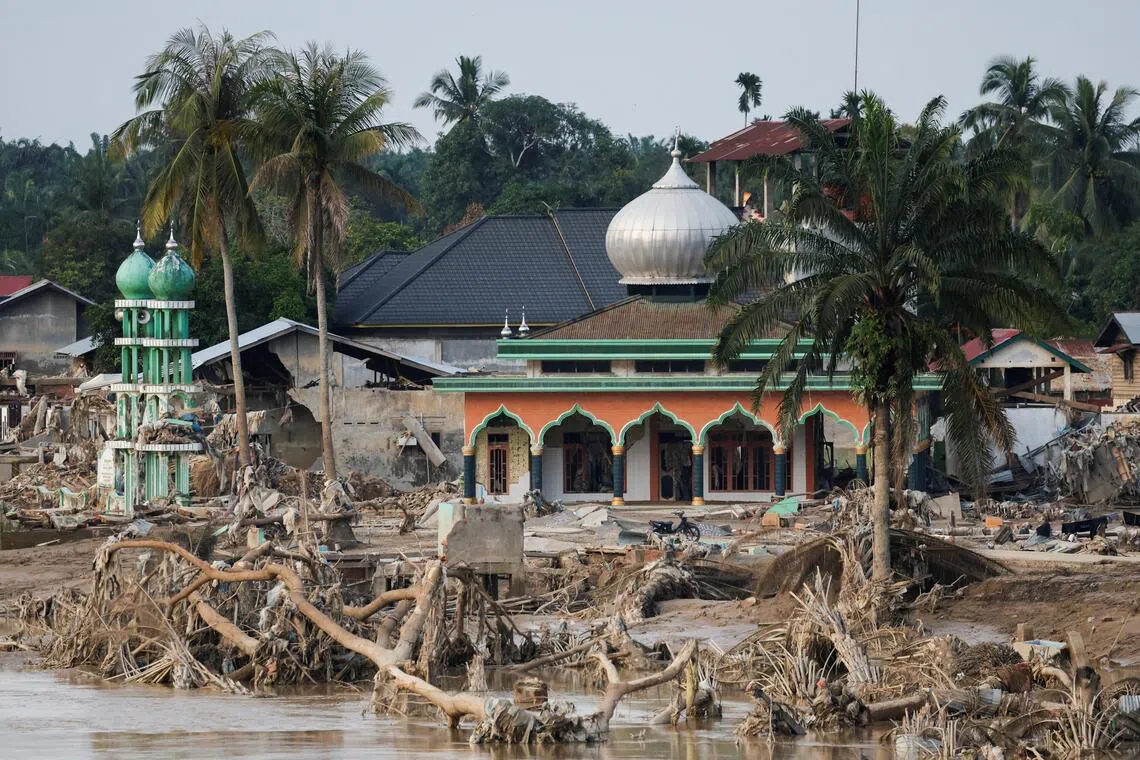
Public anger grows in Indonesia following floods and landslides across Sumatra. The government faces criticism for its poor disaster response, insensitive remar
Widespread Anger in Indonesia Over Perceived Inadequate Disaster Response
Public dissatisfaction is reaching a boiling point in Indonesia as the government faces severe criticism for its handling of recent devastating floods and landslides across Sumatra. The disaster, triggered by an unusual tropical cyclone, has left thousands of homes destroyed and vital infrastructure severely damaged, prompting widespread condemnation of official efforts.
Sumatra Ravaged by Rare Tropical Cyclone Senyar
The calamity began on November 25, when Tropical Cyclone Senyar, a rare meteorological event forming in the Malacca Strait, made landfall on Sumatra Island. This powerful storm unleashed torrential rains, leading to extensive flooding and landslides across three provinces: Aceh, North Sumatra, and West Sumatra. The sheer scale of destruction is immense, with countless residential buildings, other structures, and crucial roads and bridges connecting regional communities obliterated.
Government Under Scrutiny for Crisis Management
In the wake of the disaster, Indonesian government officials have drawn significant flak. Critics point to what they describe as a consistently poor and disorganized response to the crisis. Adding fuel to the public's anger are allegations of insensitive remarks made by some officials, coupled with what many perceive as mere 'performative visits' to affected areas, rather than substantive, effective aid and coordination.
This escalating frustration highlights deeper concerns about the authorities' overall capacity for disaster management. As communities struggle to recover from the widespread damage, the demand for more robust, compassionate, and efficient governmental action is growing louder, underscoring a crisis not only of natural forces but also of public trust in leadership.
By news
9 months ago
No cameras found for this country.