China Rejects Japan PM Takaichi's Unwavering Taiwan Stance, Escalating Diplomatic Tensions
Dec 5, 2025
 China
International Relations
China
International Relations
China
International Relations
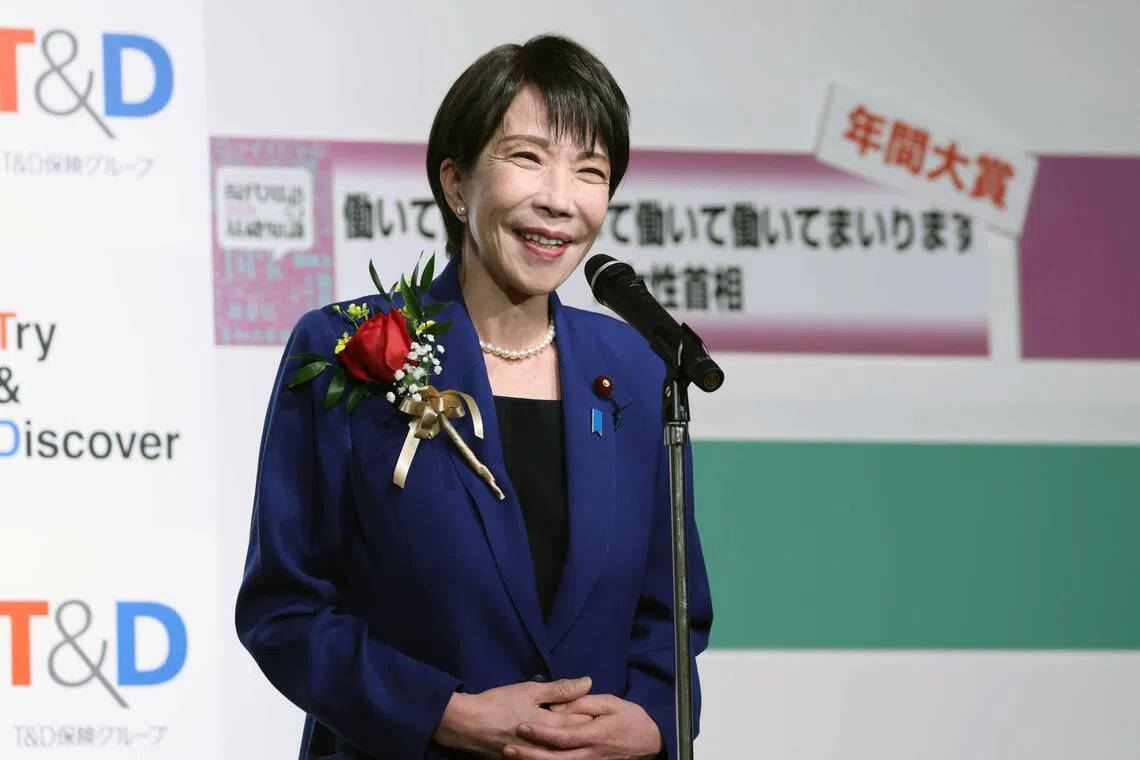
Japan's PM Sanae Takaichi reaffirmed Tokyo's Taiwan stance, prompting strong rejection from China. Beijing questions Japan's adherence to the 1972 joint stateme
China's Firm Rejection of Japan's Unwavering Taiwan Stance Ignites Diplomatic Firestorm
Tokyo's steadfast position on Taiwan has once again drawn the ire of Beijing, as China vehemently rejected Prime Minister Sanae Takaichi's recent reaffirmation of Japan's long-held stance. The diplomatic spat underscores deep-seated tensions between the two East Asian powers, fueled by differing interpretations of historical agreements and the strategic implications of Taiwan's future.
Beijing Demands Clarity on 1972 Joint Statement
At a Dec 4 press briefing, Chinese Foreign Ministry spokesman Lin Jian openly challenged Ms. Takaichi's remarks. He pressed Japan to "accurately and fully articulate" its commitments under the 1972 Sino-Japanese joint statement, which formalized diplomatic ties. Lin questioned why Tokyo "refuses to clearly articulate the commitments it has made and its legal obligations," implying Japan was sidestepping its responsibilities. Ms. Takaichi had previously told Parliament on Dec 3 that Japan’s stance on Taiwan remained unchanged since that pivotal 1972 communique. Japan's official position acknowledges and respects Beijing's view of Taiwan as an "inalienable part of its territory" without explicitly endorsing the 'One China' principle itself.
A "Survival-Threatening Situation"
The current escalation follows Ms. Takaichi’s November suggestion that a Chinese military action against Taiwan could constitute a "survival-threatening situation" for Japan. This statement provocatively implied Tokyo’s potential military involvement alongside allies in such a scenario, significantly raising the stakes. Since then, the bilateral relationship has been fraught with diplomatic and economic friction, with China even advising its citizens against travel to Japan.
Initially, Ms. Takaichi's latest comments were met with mixed reactions on Chinese social media. While some users on Weibo (China's equivalent of X) interpreted them as a retraction—leading "Sanae Takaichi finally relented" to trend—others demanded greater clarity. However, Ms. Takaichi has consistently resisted Chinese demands to retract her initial Nov 7 remarks, maintaining that Tokyo's security emergency position remains resolute. Foreign Minister Toshimitsu Motegi has echoed this sentiment, repeatedly affirming that Japan's stance on Taiwan has not deviated since 1972.
The Nuances of the 1972 Agreement
The 1972 joint statement, a cornerstone of Japan-China relations, saw Japan express its "full understanding and respect" for China’s view of Taiwan as an "inalienable part" of its territory. Crucially, this agreement meticulously avoided explicitly stating Japan "fully supported" Beijing’s interpretation of the 'One China' principle, leaving room for Japan's own strategic ambiguity.
Japan's Stakes in Taiwan: Security and Economy
Takaichi's assertion regarding the threat to Japan's national security stems from tangible concerns. Any invasion or blockade of Taiwan would profoundly damage Japan's economic interests, particularly its vital semiconductor supply chains. Moreover, the presence of tens of thousands of US troops stationed in Japan means a conflict could inevitably draw Japan into the fighting under its security alliance with Washington. Hundreds of thousands of Japanese citizens reside in or frequently travel to Taiwan, further intertwining their fates.
Underscoring these close ties, Japan and Taiwan were poised to sign a memorandum of understanding on customs cooperation and a digital trade agreement at their annual Economic and Trade Conference.
International Diplomatic Maneuvers
In the backdrop of this dispute, Beijing has actively sought international support, with China’s top diplomat Wang Yi using a call with French President Emmanuel Macron’s adviser to condemn Ms. Takaichi’s "provocative remarks" on Nov 27. Japan, however, remains undeterred. Government chief spokesperson Minoru Kihara affirmed on Dec 4 that Tokyo would continue to engage the international community, refute unsubstantiated Chinese claims, and explain its position globally.
By news
9 months ago
No cameras found for this country.