Beijing Condemns Japanese PM Takaichi's Taiwan Remarks as Challenge to Post-War Order & One-China Principle
Dec 5, 2025
 China
International Relations
China
International Relations
China
International Relations
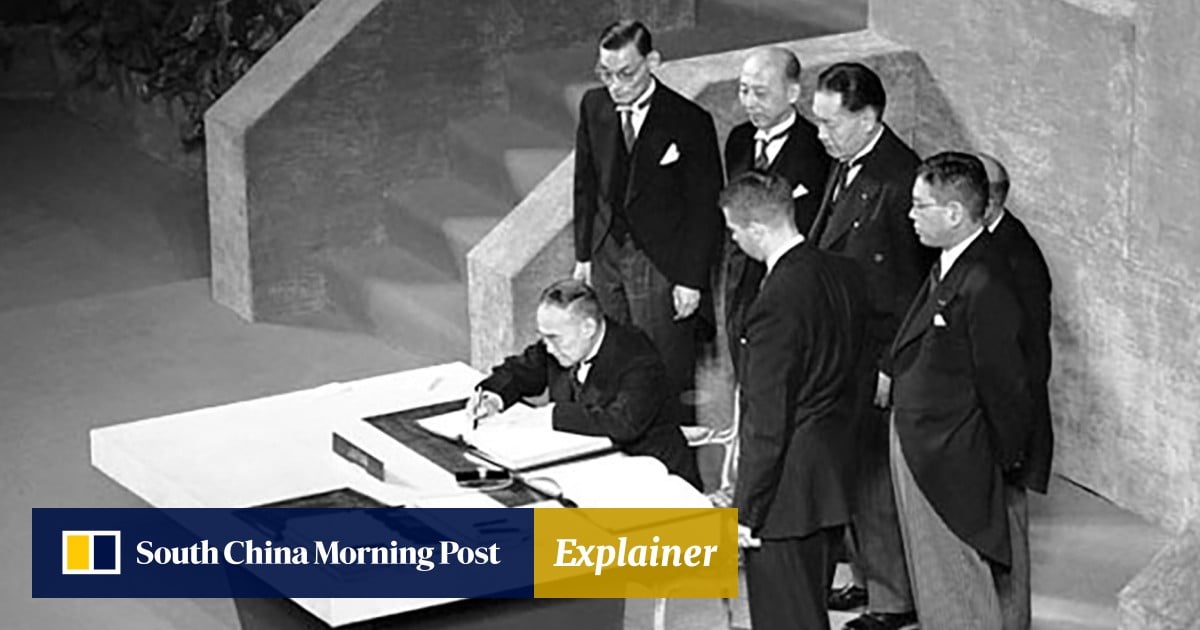
Beijing denounces Japanese PM Sanae Takaichi's Taiwan remarks, viewing them as a challenge to the post-war international order and the one-China principle, citi
Beijing Condemns Japanese PM's Taiwan Remarks as Challenge to Post-War Order
Beijing has vehemently criticized recent statements from Japanese Prime Minister Sanae Takaichi concerning Taiwan, deeming them a direct affront not only to the fundamental one-China principle but also to the established post-World War II international framework.
Takaichi's Remarks and Their Significance
On November 7, Prime Minister Takaichi publicly suggested that Japan could potentially deploy its Self-Defence Forces in response to a hypothetical attack on Taiwan. This marked a significant moment, as she became the first sitting Japanese leader since WWII to openly link a Taiwan contingency with potential military action by Japan.
Historical Context: The Post-War Agreements
From Beijing's perspective, the restoration of Taiwan to China stands as a cornerstone outcome of the treaties and agreements forged at the conclusion of the Second World War, which collectively shaped the international norms in place ever since. Understanding this historical context is crucial to grasping Beijing's strong reaction.
Taiwan, along with the Penghu Islands, endured a 50-year period as a Japanese colony from 1895 to 1945. This colonization followed China's defeat in the First Sino-Japanese War, leading to the forced cession of these territories under the Treaty of Shimonoseki (also known as the Treaty of Maguan).
Key Declarations of World War II
However, key declarations during WWII laid the groundwork for Taiwan's future. In the 1943 Cairo Declaration, the United States, Britain, and China explicitly affirmed that all territories Japan had "stolen" from China, including Taiwan and the Penghu Islands, were to be returned. This stance was subsequently reinforced by the Potsdam Proclamation in 1945, which outlined the conditions for Japan's eventual surrender. Japan formally accepted these terms later that year upon its surrender.
Why Beijing Sees a Challenge
Thus, Beijing's condemnation stems from a historical interpretation that sees any Japanese suggestion of military involvement in Taiwan as a direct challenge to these foundational post-war agreements and the principle of territorial integrity established therein, impacting China-Japan relations.
By news
9 months ago
No cameras found for this country.