
Indonesia Flood Crisis: Over 1,500 Dead, Fresh Rain Fears Amid Climate Change & Forest Loss Scrutiny
Indonesia and neighboring nations are grappling with the harrowing aftermath of catastrophic flash floods and landslides that have claimed over 1,500 lives across four countries since last week. As survivors in Indonesia struggle to rebuild their shattered lives, the looming threat of further heavy rainfall casts a long shadow over their arduous recovery efforts.
Indonesia Bears the Brunt of Devastation
The island nation of Indonesia has been hit hardest, with authorities reporting a grim toll of 837 fatalities and 545 individuals still missing. North Sumatra's Aceh province, in particular, has witnessed immense suffering, with more than 800,000 people displaced from their homes. Neighboring Sri Lanka has recorded 486 deaths, Thailand 276, and Malaysia two, highlighting the regional scale of this unprecedented calamity.
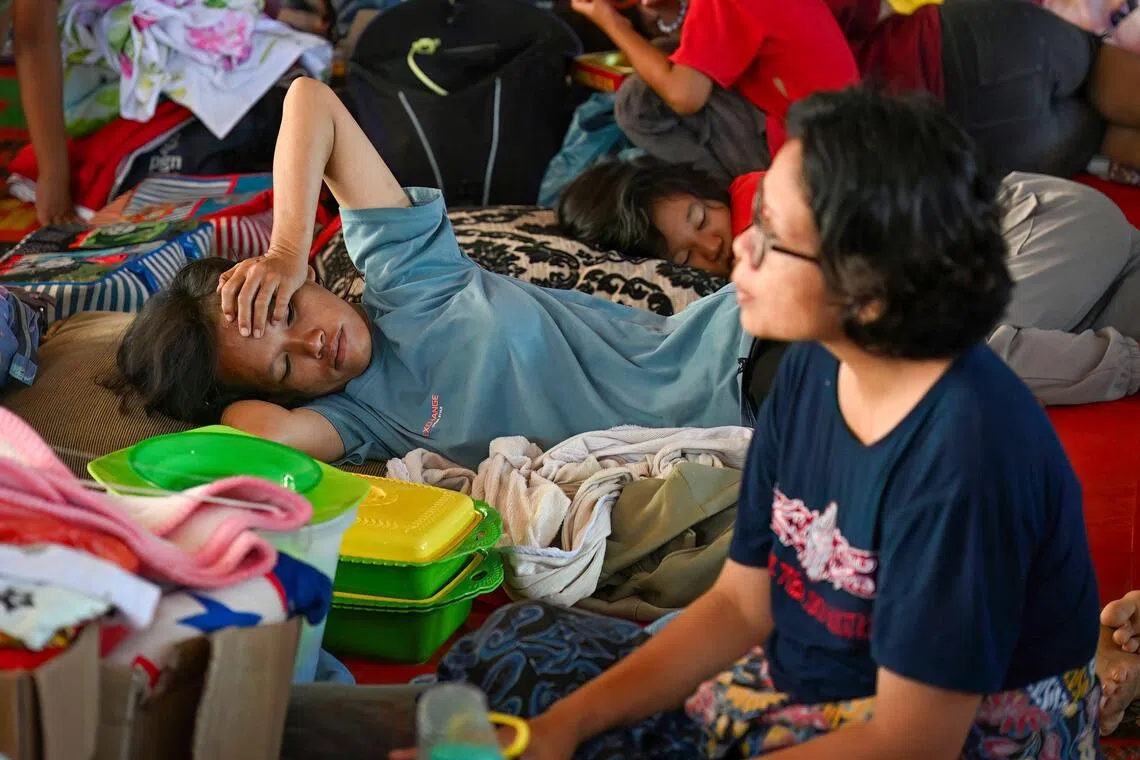
Survivors recount nightmarish scenes. Ms. Rumita Laurasibuea, a 42-year-old government employee now sheltering in a school, described her home being engulfed by soil up to the ceiling, with piles of wood scattered everywhere. She fears the recovery process could stretch beyond a year. Similarly, Mr. Hendra Vramenia, 37, who fled Kampung Dalam in southeastern Aceh, emphasized the resilience needed. "Possessions can be regained," he stated, though he voiced deep concern for remote communities facing potential starvation and is considering evacuating his family to safety.
Threat of More Rain Looms
The Indonesian meteorological agency has issued urgent warnings, predicting "very heavy rain" for Aceh through December 6, with North and West Sumatra also deemed at high risk. This forecast only intensifies the anxiety among those already displaced. "We are still worried... If the rain comes again, where can we go? Where can we evacuate?" questioned Ms. Rumita, reflecting the widespread fear.
Regional Clean-up and Challenges
While floodwaters in Sri Lanka have begun to recede, residents in areas like the central town of Gampola face a monumental clean-up operation. Volunteers are pouring in, but the task is immense. Muslim cleric Faleeldeen Qadiri noted the need for help at Gate Jumma Mosque, while volunteer Rinas explained, "It takes 10 men a whole day to clean one house. No one can do this without help."
Climate Change and Deforestation: A Deadly Combination
Experts point to a confluence of factors exacerbating the disaster. Two distinct weather systems unleashed massive rainfall across Sri Lanka, Sumatra, southern Thailand, and northern Malaysia. While seasonal monsoons are vital, climate change is making them increasingly erratic, unpredictable, and deadly.
Crucially, environmentalists and the Indonesian government alike are highlighting the significant role of widespread forest loss in amplifying the flash flooding and landslides. Indonesia, notorious for its extensive annual deforestation driven by mining, plantations, and fires, has lost vast tracts of its lush rainforests. This denudation strips the land of its natural ability to absorb water, leading to torrents of mud engulfing villages.
Government Takes Action
In response, Jakarta announced on December 3 its intention to revoke environmental permits from several companies suspected of contributing to the disaster's severity. Eight companies are scheduled for summoning on December 8 as part of an ongoing investigation. Environment Minister Hanif Faisol Nurofiq warned that if evidence points to corporate involvement in illegal logging or land clearing that worsened the catastrophe, investigations could escalate to criminal prosecution.
Despite the Indonesian government's assurances of managing the fallout, public outcry suggests a perception that current relief efforts are insufficient given the overwhelming scale of the disaster.