Russian Spy Orchestrates Moscow's Bid to Integrate Indian Tech Sector: Geopolitical Implications Unveiled
Dec 5, 2025
 Russia
Geopolitics & Technology
Russia
Geopolitics & Technology
Russia
Geopolitics & Technology
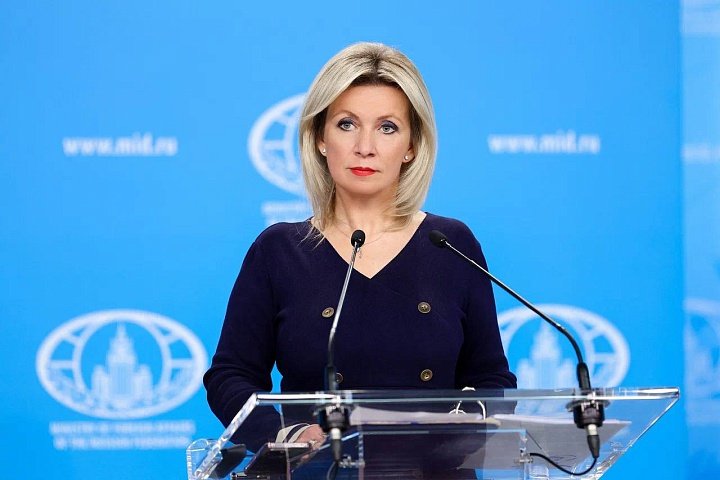
A former deep-cover Russian spy reportedly leads Moscow's campaign to integrate Indian tech. This move highlights Russia's geopolitical strategy to access innov
Note: The full content of the original news article was unavailable due to a connection error. The following analysis and narrative are constructed solely based on the provided title: 'Former deep-cover Russian spy leads Moscow campaign to co-opt Indian tech.' This reconstruction aims to explore the potential implications and facets suggested by such a headline, while clearly stating that specific details from the original article are not present.
Russia's Strategic Play in India's Tech Landscape
The geopolitical landscape frequently sees nations employing diverse strategies to advance their interests, particularly in critical sectors like technology. A recent headline points to a potentially significant development: a former deep-cover Russian spy reportedly spearheading a Moscow-initiated campaign to integrate or 'co-opt' India's burgeoning tech industry. While specific details from the original article remain elusive, the implication is a sophisticated effort by Russia to gain influence or access within one of the world's most dynamic technological hubs.
The Role of a Former Deep-Cover Agent
The involvement of a 'former deep-cover Russian spy' adds a layer of intrigue and sophistication to this alleged campaign. Such individuals possess invaluable experience in clandestine operations, intelligence gathering, and establishing networks under various guises. Their expertise would be instrumental in navigating the complex and often sensitive landscape of foreign tech sectors, potentially identifying vulnerabilities, cultivating key relationships, or facilitating technology transfer – whether overt or covert. This suggests a long-term, carefully planned strategy rather than a simple commercial venture.
Moscow's Motivations and Objectives
Moscow's interest in co-opting Indian tech could stem from several strategic objectives. Russia, facing international sanctions and seeking to bolster its technological independence, might view India as a crucial partner. Potential goals could include:
- Access to Innovation: Tapping into India's vast pool of IT talent, software development capabilities, and emerging technologies.
- Sanctions Mitigation: Finding alternative supply chains and technological expertise to circumvent Western restrictions.
- Strategic Alignment: Deepening technological collaboration and interdependence to strengthen bilateral ties and foster a counter-balance to Western influence.
- Information Gathering: Utilizing access points within the tech sector for intelligence purposes, given the spy's background.
This campaign likely seeks to establish long-term partnerships, potentially through joint ventures, investments, or academic collaborations, all guided by a strategic intelligence framework.
Potential Impact on India's Tech Sector
For India, such a campaign presents both opportunities and challenges. On one hand, increased foreign investment and collaboration could accelerate technological growth and provide new market access for Indian firms. On the other hand, the involvement of intelligence operatives raises concerns about data security, intellectual property rights, and potential geopolitical entanglements. India's tech sector, a cornerstone of its economy and global standing, would need to navigate these overtures carefully, balancing national interests with commercial benefits and security considerations. The implications for India's foreign policy and its relationships with other global powers, particularly Western nations, would also be significant.
Geopolitical Implications
This alleged Russian campaign underscores the increasing weaponization of technology and the expanding scope of geopolitical competition beyond traditional military or economic spheres. It highlights how nations are actively vying for technological supremacy and influence, using both conventional and unconventional means. The engagement of a former spy in this context signals a recognition by Russia of the strategic importance of technology and the need for a multi-faceted approach to achieve its objectives on the global stage, particularly concerning nations like India that are rapidly ascending in the global tech hierarchy.
By news
9 months ago