
BERLIN, Germany –
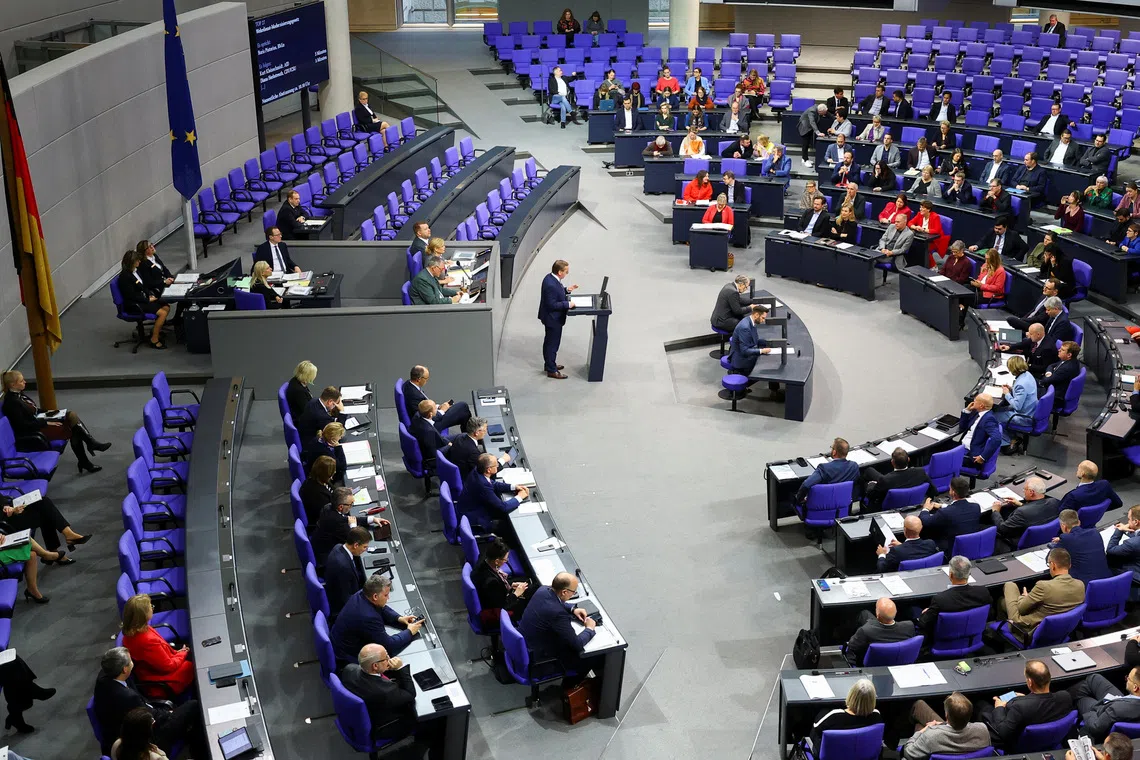
In a significant move to strengthen its armed forces amidst escalating geopolitical tensions, the German parliament has officially sanctioned a controversial new military service law. Approved on Friday, December 5, 2025, the legislation aims to substantially increase the Bundeswehr's capabilities and meet crucial NATO defense benchmarks, driven by growing concerns over Russian aggression in Europe.
A New Approach to Recruitment: The Dual-Track System
After months of intense political debate, the Bundestag's approval marks a pivotal shift in Germany's defense strategy. The cornerstone of the new law is a "dual-track" system designed to both attract volunteers and, if necessary, reintroduce compulsory service. Initially, the focus will be on a more attractive voluntary service, offering enhanced incentives to draw in young recruits.
However, should these voluntary enlistment figures fall short of national defense needs, lawmakers reserve the right to activate a needs-based conscription system. This activation would require a separate parliamentary vote and could involve a random selection process if the pool of eligible individuals exceeds the required numbers. To ensure transparency and accountability, the defense ministry is mandated to provide recruitment updates to parliament every six months.
Ambitious Growth Targets for the Bundeswehr
The newly enacted law sets forth ambitious expansion objectives for the German military. The Bundeswehr aims to grow its active soldier count from the current 183,000 to an impressive 260,000 by 2035. Furthermore, the goal is to establish a robust reserve force of at least 200,000 personnel within the same timeframe.
In a move not witnessed since the suspension of mandatory conscription in 2011, all men born after January 1, 2008, will be subject to medical evaluations. This process will be phased in gradually to match the capacity of the military's assessment infrastructure. The law also stipulates that both 18-year-old men and women will receive requests to declare their willingness to serve, though only men will have a legal obligation to respond to these inquiries.
A European Trend Towards Stronger Defense
Germany's decision is part of a broader European trend reflecting a continent-wide re-evaluation of defense postures in response to the ongoing situation with Russia. Several other European nations are also adjusting their military service policies: France, Italy, and Belgium are expanding their voluntary service programs, while Nordic and Baltic states, located closer to Russia's borders, are reinforcing or re-establishing mandatory conscription to bolster their national security. This collective shift underscores a renewed commitment to defense capabilities across the continent.