Syrian Exiles in Moscow Plot Uprisings Against New Government; Al-Assad Loyalists Fund Militias Amid Fragile Transition
Dec 5, 2025
 Syria
Geopolitics
Syria
Geopolitics
Syria
Geopolitics
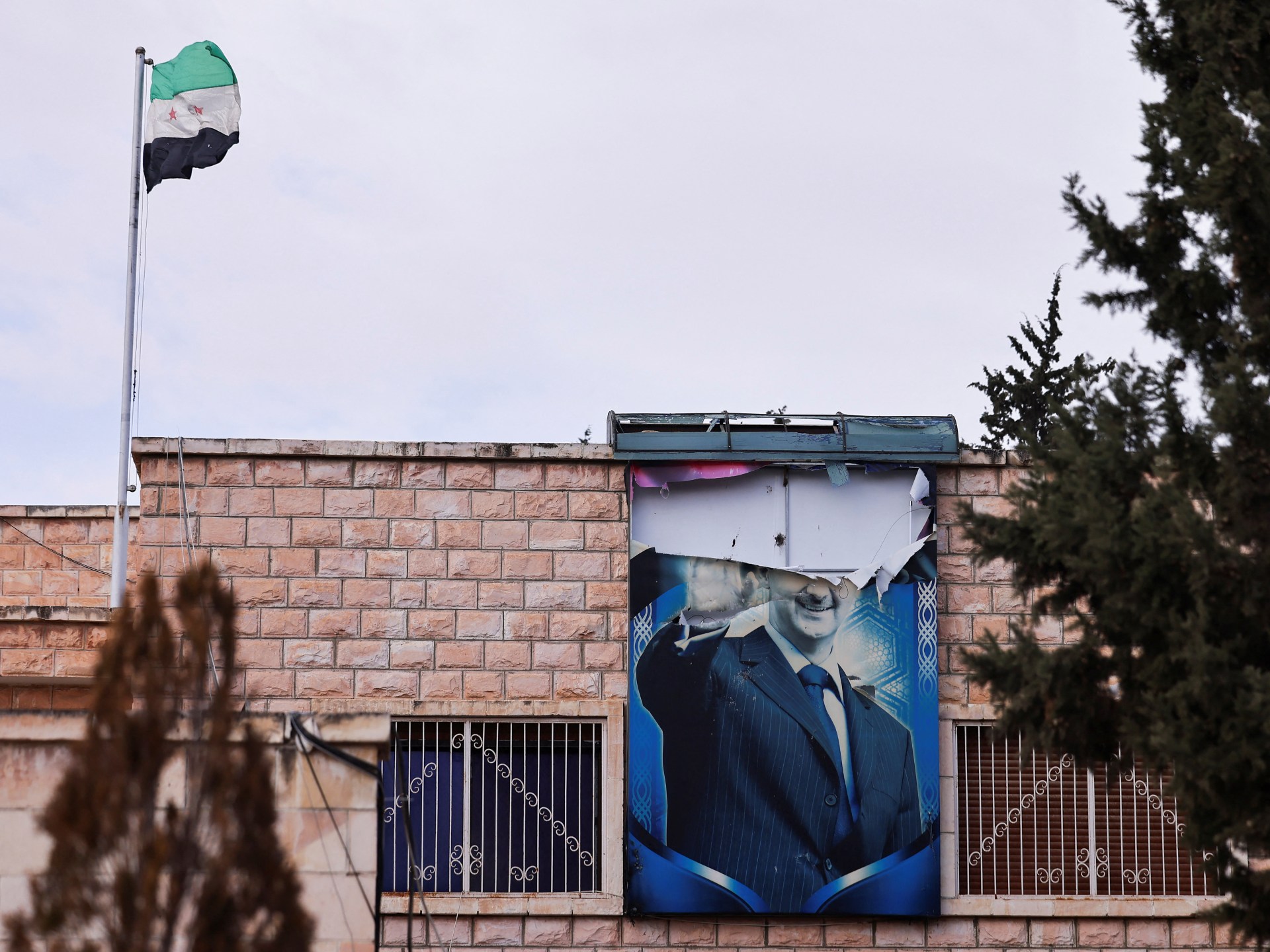
A Reuters investigation reveals former al-Assad loyalists, Major-General Kamal Hassan and Rami Makhlouf, are plotting uprisings from Moscow, funding militias in
Syrian Exiles in Moscow Plot Uprisings Against New Government
A year after the fall of Bashar al-Assad's regime, Syria faces a renewed threat to its fragile stability. A recent Reuters investigation has uncovered a clandestine plot by former loyalists to instigate uprisings, aiming to destabilize the nascent government led by President Ahmed al-Sharaa.
The Plot Unveiled: Financing Rebellion from Moscow
Operating from exile in Moscow, two prominent figures once closest to al-Assad — Major-General Kamal Hassan, his former military intelligence chief, and billionaire cousin Rami Makhlouf — are reportedly funneling millions of dollars to tens of thousands of potential fighters. This elaborate scheme, detailed through interviews with 48 individuals and extensive financial documentation reviewed by Reuters, emerges as the new Syrian administration solidifies its international standing.
The plot carries the grave risk of igniting fresh sectarian violence, particularly among the Alawite minority, a group long associated with the former ruling dynasty and al-Assad's power base in coastal Syria.
Rival Ambitions: Hassan vs. Makhlouf
From their opulent villas in Moscow, Hassan and Makhlouf, once pillars of the al-Assad regime, are now competing rivals in a desperate bid for influence. Hassan, known for his control over the brutal military detention system, is reportedly making relentless calls and sending voice messages to commanders. He seethes about his lost influence and outlines grandiose visions of reclaiming control over coastal Syria, promising to restore dignity to his people. One WhatsApp message purportedly stated: "Be patient, my people, and don't surrender your arms. I am the one who will restore your dignity."
Makhlouf, whose vast business empire once funded the dictatorship during the devastating 14-year civil war, now casts himself as a messianic figure. He envisions a return to power following an "apocalyptic final battle."
Despite their shared goal of disruption, internal documents reveal a fierce rivalry in their efforts to build militias. Hassan claims control of 12,000 fighters, having spent $1.5 million since March. Makhlouf, meanwhile, asserts influence over at least 54,000 fighters, with expenditures of at least $6 million on salaries. However, commanders on the ground report that fighters receive a paltry sum, between $20 and $30 monthly, often accepting funds from both factions.
Strategic Targets: Command Rooms and Weapons Caches
A key prize in this complex power struggle is a network of 14 underground command rooms strategically located across coastal Syria, built towards the end of al-Assad's rule. Photos reviewed by Reuters depict these hidden facilities fully stocked with assault rifles, ammunition, grenades, computers, and sophisticated communications equipment.
Challenges to the Plot: Lack of Support and Internal Divisions
Despite the audacious plotting and significant financial investment, prospects for a successful uprising appear dim. The two exiles are virulently at odds with each other, hindering any unified effort. Crucially, Russia, which granted al-Assad asylum, has strategically withheld support for their schemes. Moscow has pivoted its focus to cultivating ties with al-Sharaa's government, seeking to safeguard its vital Mediterranean military bases, particularly in Tartous—the very region these plotters aim to control. Furthermore, many within the Alawite community harbor deep mistrust for both Hassan and Makhlouf.
Syria's Counter-Strategy and Emerging Stability
The new Syrian government is not passively observing these threats. It has launched a robust counter-strategy spearheaded by Khaled al-Ahmad, an Alawite and childhood friend of President al-Sharaa, who famously switched sides mid-war. Al-Ahmad's mission is to persuade former soldiers and civilians that their future lies with a unified, new Syria. Ahmed al-Shami, governor of the coastal Tartous region, affirmed the authorities' awareness and preparedness, confidently stating, "We are certain they cannot do anything effective, given their lack of strong tools on the ground."
These revelations surface as Syria navigates a complex transition, one year after al-Assad's overthrow. The nation continues to grapple with multiple challenges, including ongoing Israeli military incursions, demands for a buffer zone, and persistent sectarian tensions that flared into deadly violence in recent months. Amidst these internal and external pressures, the country recently hosted a landmark UN Security Council delegation visit, underscoring President al-Sharaa’s increasing international legitimacy and his concerted efforts to stabilize a fractured nation.
By news
9 months ago
No cameras found for this country.