Conflict Reignites in Eastern DR Congo Hours After US Peace Deal Ceremony
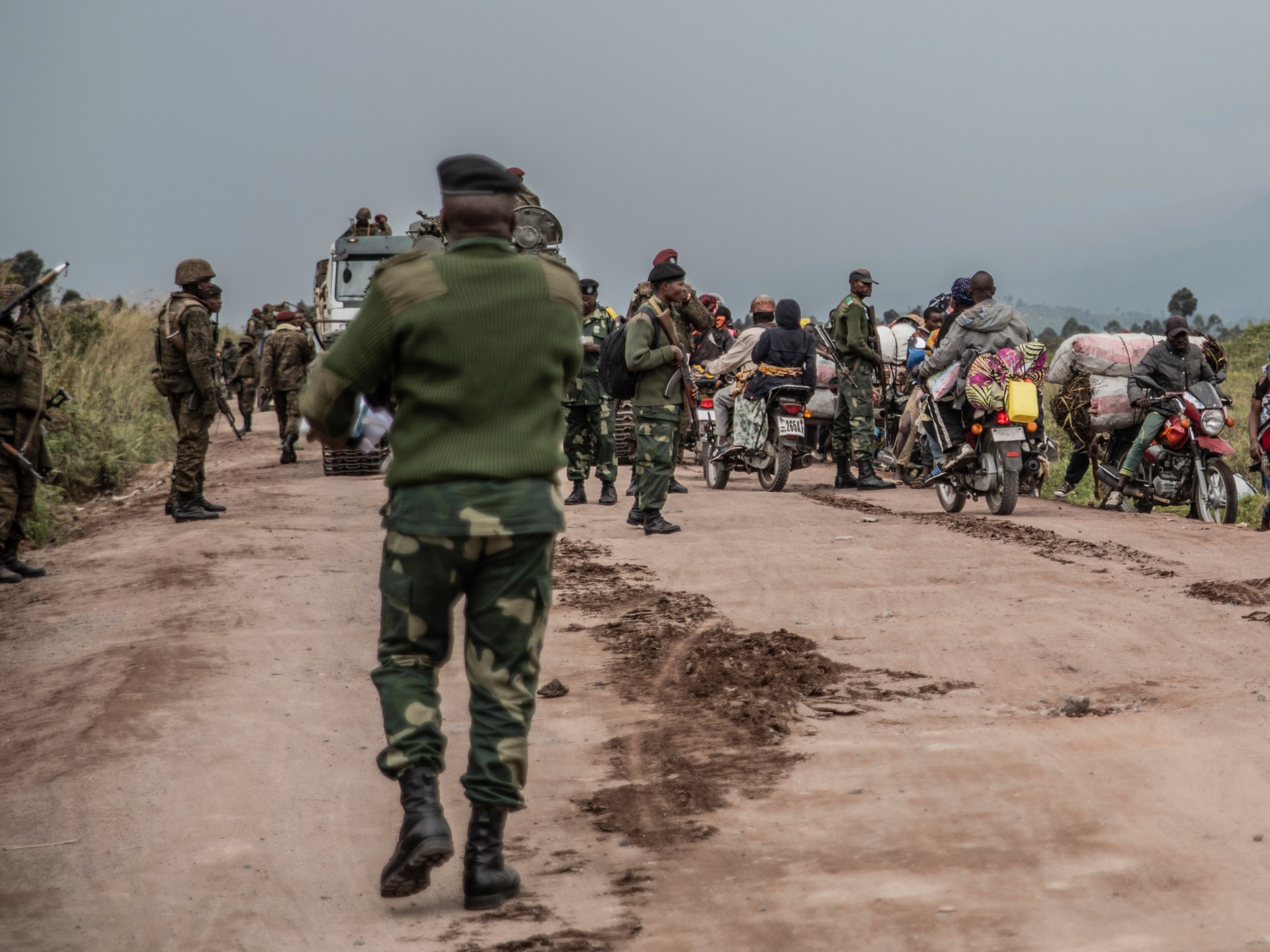
Just hours after a high-profile peace ceremony in Washington D.C., where US President Donald Trump hosted leaders from the Democratic Republic of Congo (DRC) and Rwanda to ink a deal aimed at ending decades of conflict, fresh hostilities have dramatically erupted in eastern DRC. The M23 rebel group and Congolese government forces are once again engaged in fierce combat, shattering hopes for immediate stability.
Renewed Violence and Mutual Accusations
Both warring parties swiftly pointed fingers at each other for instigating Friday's renewed violence. The M23 rebels issued a statement alleging that 23 individuals were killed and several more wounded due to bombardments by the DRC's army. M23 spokesperson Lawrence Kanyuka, via a post on X, accused Congolese forces and their allies of launching "attacks on densely populated areas in North Kivu and South Kivu." He specifically cited the use of fighter jets, drones, and heavy artillery. Kanyuka also claimed that two bombs originating from Burundi struck near Kamanyola town on Thursday evening, resulting in four fatalities and two serious injuries.
An anonymous senior M23 official, unauthorized to speak publicly, informed Reuters that rebel forces had successfully recaptured Luberika town and shot down a Congolese army drone. The M23, a group reportedly backed by Rwanda, had already seized control of Goma and Bukavu, eastern DRC’s two largest cities, earlier in the year. Crucially, the group stated it is not bound by the US-brokered peace agreement signed a day prior.
A DRC army spokesperson corroborated reports of clashes to Reuters, confirming fighting along the Kaziba, Katogota, and Rurambo axis in South Kivu province. He further accused the Rwandan Defence Force of "blindingly bombing" areas, causing population displacement in Luvungi. Official comments from Rwanda's army and government spokespeople were unavailable immediately.
Diplomacy Undermined by Unresolved Core Issues
The renewed violence casts a shadow over the commitments made just the day before. DRC President Felix Tshisekedi and Rwanda’s Paul Kagame had reaffirmed their dedication to a US-brokered deal from June, which aimed to stabilize the vast country and open doors for increased Western mining investments. President Trump had championed the agreement, stating, "We’re settling a war that’s been going on for decades," linking his administration's global conflict interventions to peacemaking and US business interests.
However, analysts suggest that while US diplomacy might have temporarily halted escalation, it failed to address fundamental underlying issues, as neither the DRC nor Rwanda had fully honored pledges from the June agreement.
Escalating Humanitarian Impact and Displacement
The resurgence of fighting has triggered a significant humanitarian crisis, leading to mass displacement. Phanuel Sindayiheba, a local government official in Rwanda's Rusizi district, reported that over 700 Congolese nationals, predominantly women and children, crossed into neighboring Rwanda. These refugees are currently housed at a transit center, receiving essential aid like food and bedding.
Social media footage depicted columns of displaced individuals, carrying their belongings and livestock, moving towards Rwanda via the Bugarama-Kamanyola border post. According to the United Nations Office for the Coordination of Humanitarian Affairs, over 123,600 people were displaced in the DRC between July and October alone due to various factors including armed conflicts, land disputes, and natural disasters.