Cuban Regime Elements Contact US Officials on Post-Maduro Venezuela Amid Escalating US Pressure & Military Buildup
Dec 6, 2025
 Venezuela
International Relations
Venezuela
International Relations
Venezuela
International Relations
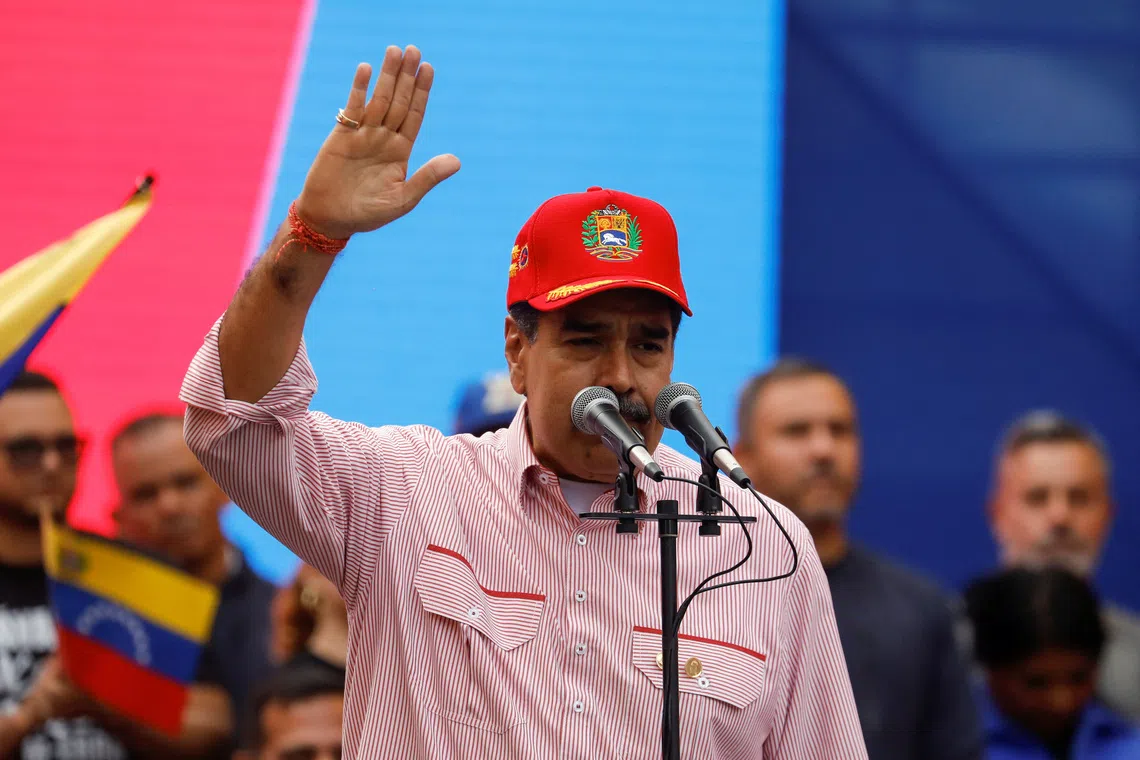
Elements within the Cuban regime have contacted US officials to discuss Venezuela's future without President Nicolas Maduro, amidst heightened US pressure and a
Cuban Regime Elements Reach Out to US Regarding Post-Maduro Venezuela Amidst Escalating Pressure
In a significant development reflecting the intense geopolitical maneuvering in Latin America, confidential sources reveal that "elements within the Cuban regime" have initiated contact with US officials. These discussions center on the hypothetical scenario of Venezuela without its current leader, President Nicolas Maduro, amidst an escalating pressure campaign by the United States.
Secret Overtures Amidst US Pressure
The outreach from Cuba, confirmed by two anonymous sources familiar with the sensitive contacts, comes as the US administration under President Donald Trump continues to ramp up efforts to dislodge Maduro from power. While specifics regarding the Cuban individuals involved remain undisclosed, the core of the discussions revolves around understanding the regional landscape in a post-Maduro era. This marks a potential shift or exploration of options by Cuba, a staunch ally of Venezuela, in the face of sustained US assertiveness.
Cuba's Public Condemnation and Regional Tensions
Despite these private overtures, Cuba publicly maintains a defiant stance. On November 25, Cuba's Foreign Minister Bruno Rodriguez issued a strong statement, vehemently accusing the US of orchestrating a violent overthrow of the Venezuelan government. Furthermore, Cuba denounced the burgeoning US military presence in the region as an "exaggerated and aggressive" threat, citing it as a violation of international law and the United Nations Charter.
Significant US Military Footprint
The US military deployment described by Cuba is indeed substantial, reportedly including the formidable Gerald R. Ford aircraft carrier strike group, accompanied by eight warships, a nuclear submarine, and advanced F-35 fighter jets. This "dramatic escalation of U.S. firepower" underscores the seriousness of Washington's commitment to its Venezuela strategy.
Maduro's Alleged Amnesty Offer
Adding another layer to this complex situation, Reuters previously reported on an alleged telephone conversation between President Trump and Maduro. According to four sources, Maduro reportedly expressed a willingness to depart Venezuela if granted full legal amnesty for himself and his family, which included the removal of US sanctions and the termination of a flagship case at the International Criminal Court. Trump, however, declined to elaborate on the details of their discussion.
Broader Strategy of Pressure
The US pressure on Venezuela has been multifaceted, preceding these recent developments by several months. Tactics have included targeted strikes against suspected drug-smuggling operations, explicit threats of military action, and the formal designation of the "Cartel de los Soles" as a foreign terrorist organization. These actions collectively aim to destabilize Maduro's government and compel a political transition.
The covert talks and public posturing highlight the intricate and high-stakes diplomatic and military chess game being played out across Latin America, with Venezuela's future hanging in the balance.
By news
9 months ago
No cameras found for this country.