Arab, Muslim Nations Reject Israeli "Exit-Only" Rafah Crossing Plan, Citing Displacement Fears & Breaches of Peace Deal
Dec 6, 2025
 Israel
Middle East Politics
Israel
Middle East Politics
Israel
Middle East Politics
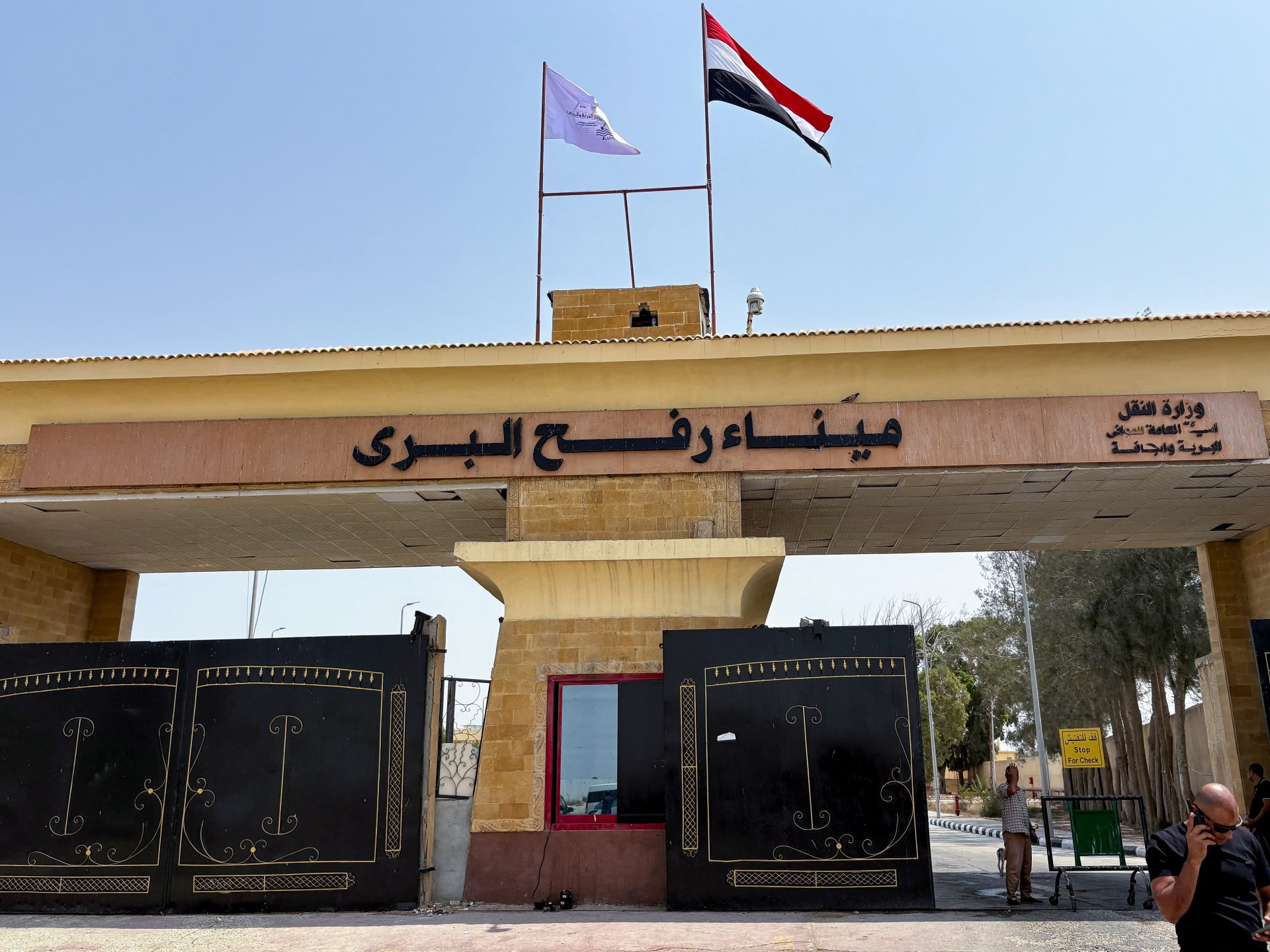
Arab and Muslim nations reject Israel's one-way Rafah crossing plan, fearing Palestinian displacement and blocked aid. They demand Israel adhere to the US-led p
Arab and Muslim Nations Unitedly Reject Israeli "Exit-Only" Rafah Crossing Plan
A significant coalition of Arab and Muslim-majority nations has vehemently rejected Israel's controversial proposal for a one-way opening of the Rafah border crossing. This contentious move, critics argue, is designed to facilitate the mass displacement of Palestinians from the Gaza Strip and to obstruct the entry of desperately needed humanitarian aid.
International Condemnation and Joint Statement
Key regional mediators, including Egypt and Qatar, along with the foreign ministers from Indonesia, Jordan, Pakistan, Saudi Arabia, Turkiye, and the United Arab Emirates, issued a forceful joint statement on Saturday, December 5, 2025. Their declaration conveyed "deep concern" over a recent military announcement from Israel that outlined the restrictive plan.
The Israeli military unit, known as the Coordination of Government Activities in the Territories (COGAT), had stated on Wednesday that the Rafah Crossing would operate "exclusively for the exit of residents from the Gaza Strip to Egypt." This one-way passage was conditioned on Israeli "security approval" and coordination with Egypt.
Breach of Peace Obligations and Displacement Concerns
Significantly, this Israeli announcement directly contradicts Israel's existing obligations under the first phase of a United States-led peace initiative. This crucial plan explicitly mandates that the Rafah crossing must operate in both directions to ensure freedom of movement and aid delivery.
The eight signatory nations were unequivocal in their condemnation, expressing "complete rejection of any attempts to displace the Palestinian people from their land." They underscored the critical necessity for Israel to fully comply with United States President Donald Trump’s comprehensive 20-point peace blueprint.
Trump's plan is not only foundational for a two-way Rafah opening but also envisions the establishment of a technocratic Palestinian government supported by a multinational stabilization force, all under the oversight of an international "Board of Peace." The ministers called for the swift and unobstructed implementation of this peace plan.
Humanitarian Crisis and Stalled Progress
The Rafah crossing has remained largely shuttered throughout the ongoing conflict. Since the October 10 ceasefire came into effect, Israeli authorities have reportedly impeded its full reopening. They have cited issues such as the unresolved return of captive bodies and the need for ongoing coordination with Egypt. However, reports indicate that only one captive body reportedly remains in Gaza.
The prolonged closure has had devastating consequences, severely obstructing the flow of desperately needed humanitarian assistance into Gaza and preventing Palestinians requiring urgent medical treatment from accessing care outside the besieged territory.
Towards a Two-State Solution
The joint statement further reiterated the broader regional commitment to achieving a "sustainable peace," specifically advocating for a two-state solution. This includes the establishment of an independent Palestinian state based on the June 4, 1967 borders, encompassing both Gaza and the West Bank, with East Jerusalem designated as its capital.
Earlier efforts by Arab and other Muslim countries successfully pushed for more defined language regarding Palestinian self-determination within the US peace plan, preceding a vital UN Security Council vote, despite Israeli attempts to block such provisions. The current Israeli proposal for an exit-only Rafah crossing now threatens to further complicate these peace efforts and risks exacerbating the dire humanitarian situation in Gaza.
By news
9 months ago