Asia Flood Crisis: Survivors Plead for Urgent Aid After Catastrophic Floods & Landslides Kill Over 1,500 in Indonesia, Sri Lanka, Thailand
Dec 6, 2025
 Indonesia
Disaster Relief
Indonesia
Disaster Relief
Indonesia
Disaster Relief
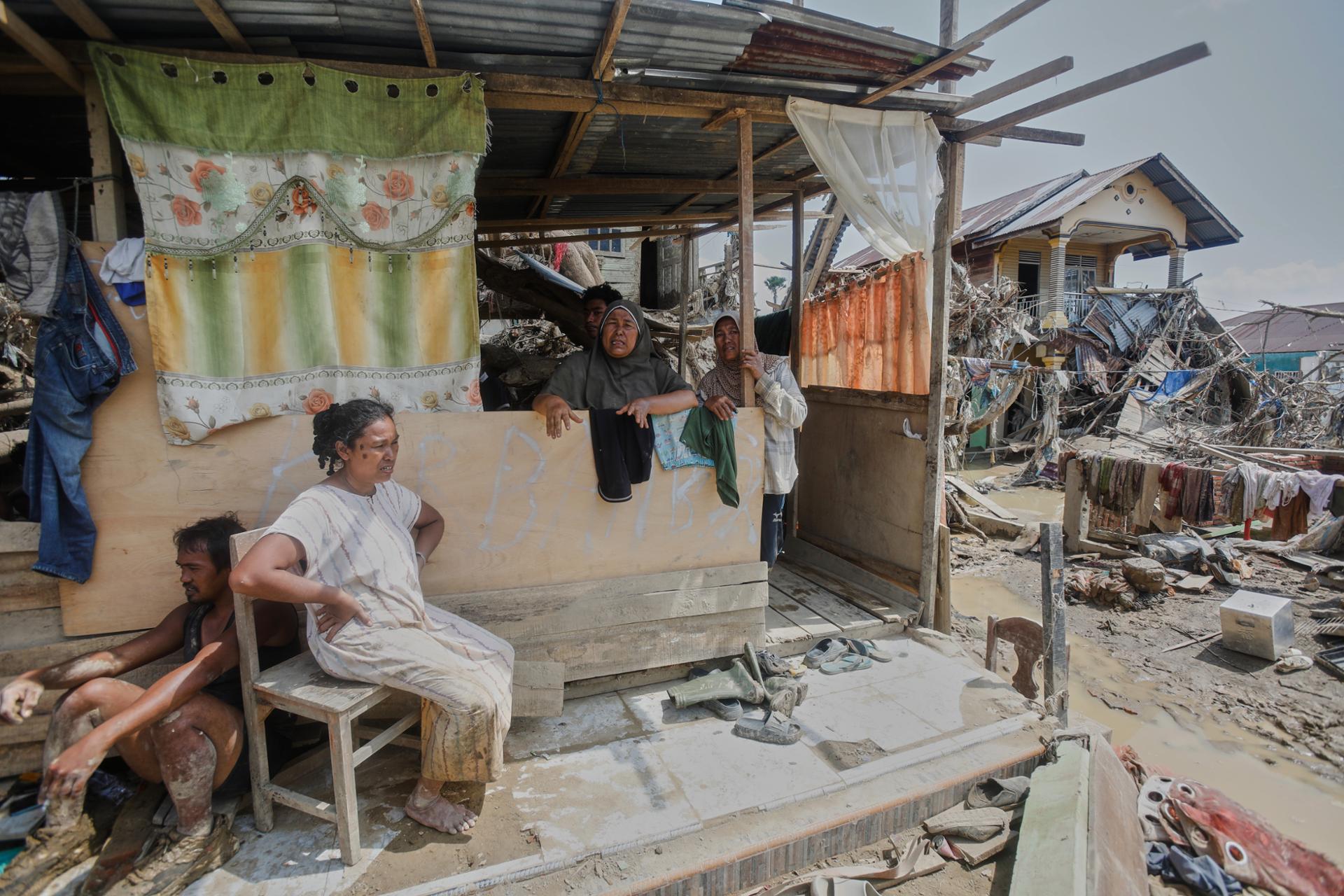
Catastrophic floods and landslides have killed over 1,500 across Indonesia, Sri Lanka, and Thailand. Survivors in devastated areas like Aceh Tamiang urgently ne
Asia Faces Catastrophic Flood Aftermath: Over 1,500 Dead, Urgent Aid Needed
Last week's devastating floods and landslides across parts of Asia have claimed over 1,500 lives, leaving countless survivors struggling amidst widespread destruction. As emergency crews race against time, the sheer scale of the humanitarian crisis is overwhelming relief efforts. Authorities have confirmed 883 deaths in Indonesia, 486 in Sri Lanka, 185 in Thailand, and three in Malaysia, with nearly 900 people still unaccounted for in Indonesia and Sri Lanka alone.
A Dire Situation on the Ground
As floodwaters recede, they reveal shattered communities where essential lifelines have been severed. Roads connecting villages to the outside world are impassable, rendering some areas accessible only by helicopter. Collapsed transmission towers have plunged regions into darkness and cut off internet access, further isolating affected populations.
Aceh Tamiang, on Sumatra Island, Indonesia, stands as one of the hardest-hit areas. Entire villages in this once-lush district are now buried under a thick blanket of mud. More than 260,000 residents have been displaced from their homes and farmlands. For these survivors, clean water, sanitation, and shelter are immediate, life-sustaining priorities.
Relief trucks, now able to navigate the partially cleared roads from North Sumatra's Medan city to Aceh Tamiang after nearly a week, face severe delays due to persistent debris, according to Abdul Muhari, spokesperson for the National Disaster Management Agency. An Associated Press photojournalist reported scenes of widespread devastation in Aceh Tamiang, with overturned vehicles, severely damaged homes, and animal carcasses scattered amidst the wreckage. The memory of the 2004 tsunami, which tragically killed 160,000 people in Aceh alone, still haunts many residents.
Voices from the Devastation
On a ravaged bridge over the Tamiang River, families have set up makeshift shelters. Ibrahim bin Usman, a survivor, cradled his grandsons on the muddy ground where his home once stood. He recounted the terrifying moment when floodwaters, laden with logs, swept away six family homes. His family of 21, including infants, had to cling to a warehouse roof before being rescued by fellow villagers in a small wooden boat. "This wasn’t a flood — it was a tsunami from the hills. Many bodies are still buried under mud," he stated, highlighting the sheer force of the disaster.
With wells contaminated and pipes destroyed, access to clean water has become a luxury. Residents like Mariana, a 53-year-old widow, vividly recall the terrifying surge of water on November 27. "The water kept rising, forcing us to flee. Even at higher ground, it didn’t stop. We panicked." She and others found refuge in a two-story school but faced grim conditions, drinking boiled floodwaters because there was no clean alternative.
Joko Sofyan, a clothing trader from Kampung Dalam, echoed this desperation. His home is now "just rubble," and his children have fallen ill from drinking contaminated water. "We need food, medicine, and clean water urgently," he pleaded.
Mounting Frustration and Call for Accountability
Despite some aid trickling in, survivors express growing frustration over the slow distribution and lack of basic necessities. Hadi Akher, among a crowd of hungry villagers, voiced his anger, asking, "Why isn’t there a public kitchen? We have nothing left." Bare-chested due to a lack of clothing, Akher directly blamed deforestation and alleged official corruption for exacerbating the deadly floods. His accusations resonated with the grumbling crowd, underscoring the deep-seated anger and despair prevalent in these devastated communities.
By news
9 months ago
No cameras found for this country.