
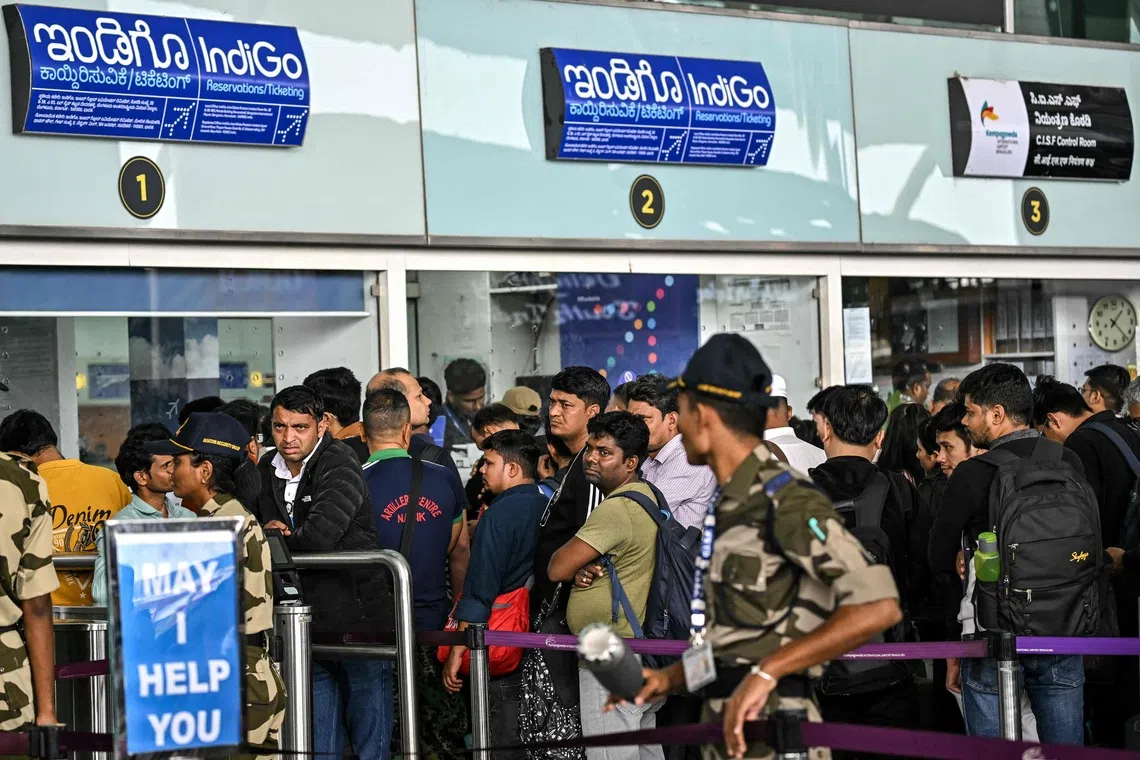
India's skies witnessed significant turbulence this week, not from weather, but from new pilot fatigue management rules that caught the nation's largest airline, IndiGo, unprepared. The stricter regulations, rolled out in phases throughout 2025 with the latest update on November 1, led to widespread flight disruptions and travel chaos across the country, a consequence IndiGo itself attributed to a lack of proper planning for roster changes.
The Directorate General of Civil Aviation (DGCA) implemented several key measures aimed at bolstering pilot safety and ensuring adequate rest, measures that have profoundly impacted airline operations.
Key Pilot Safety Regulations Implemented by India
- Extended Weekly Rest: The mandated weekly rest period for pilots has been significantly increased from 36 to 48 hours. This crucial change, which remains in effect despite the current operational challenges, is designed to provide pilots with ample time for recovery from cumulative fatigue, a vital component of flight safety.
- Restricted Night Landings: To mitigate risks associated with periods of low alertness, particularly between midnight and early morning, the number of landings a pilot can perform during this timeframe has been sharply reduced from six to just two. However, recognizing IndiGo's current crisis, the government has temporarily suspended this specific measure for the airline until February 10, 2026.
- Night Flight Duration Limits: The maximum flying time for flights extending into the night (defined as midnight to early morning) has been capped at 10 hours. Similar to the landing restrictions, this measure has also been put on hold for IndiGo until February 10, 2026, to help alleviate the immediate disruption.
- Leave vs. Rest Distinction: A crucial clarification now mandates that personal leave taken by a pilot cannot be counted towards the 48-hour weekly rest period. This ensures that the dedicated rest time is genuinely separate from vacation days, addressing a practice pilots reported was often overlooked previously. For now, this rule has been temporarily exempted for all airlines to facilitate the restoration of normal air travel across India.
- Mandatory Fatigue Reporting: Airlines are now required to submit quarterly fatigue reports to the Indian aviation regulator, detailing incidents and the corrective actions taken. This introduces a new layer of oversight and accountability for managing pilot well-being.
While these regulations are designed with paramount safety in mind, their implementation underscores the critical need for airlines to proactively adapt to evolving regulatory landscapes. IndiGo's recent struggles highlight the immediate challenges, but the long-term goal remains a safer and more sustainable aviation environment for pilots and passengers alike in India.