Hong Kong Warns International Media Over Fire Reporting & Election Coverage Amidst National Security Concerns
Dec 6, 2025
 Hong Kong S.A.R.
Politics
Hong Kong S.A.R.
Politics
Hong Kong S.A.R.
Politics
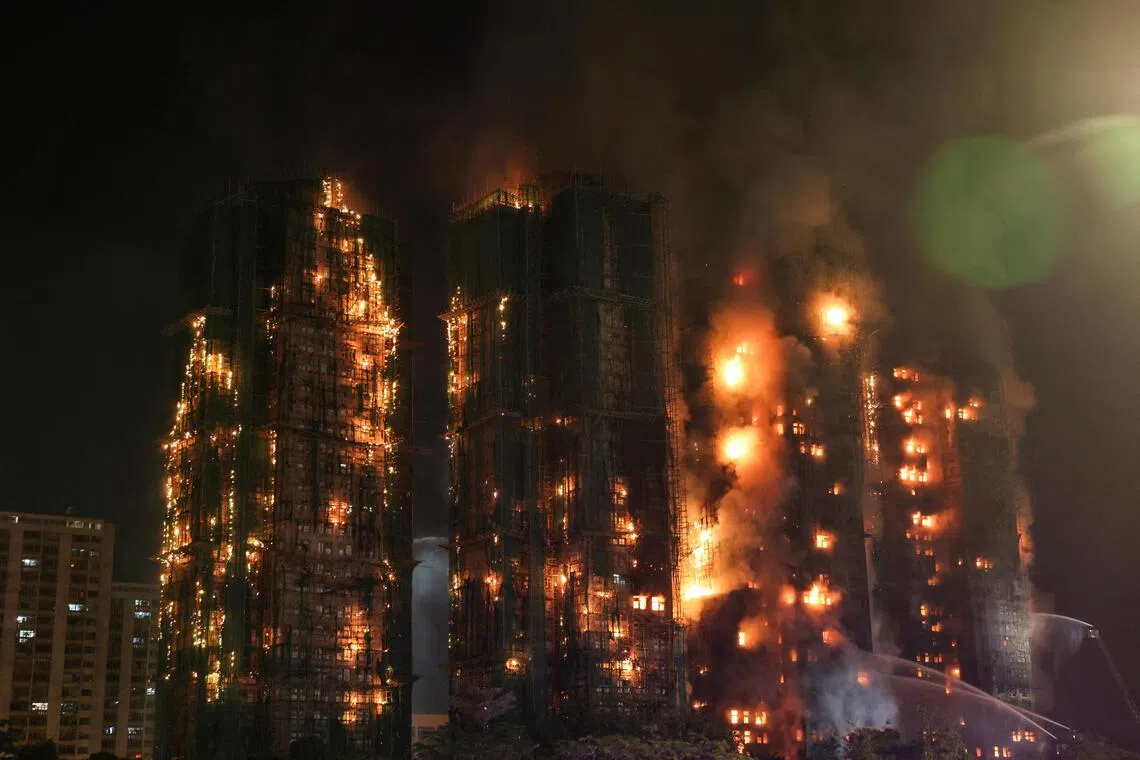
Hong Kong authorities warned international media against "false information" regarding a deadly housing estate fire and legislative elections. This comes amid d
Hong Kong Issues Stern Warning to International Press Over Fire & Election Narratives
Hong Kong authorities recently convened a rare and striking meeting with international news organizations, issuing a stern caution against what they termed "false information and smear campaigns." This significant warning primarily targets reporting on the city's deadliest fire in decades at the Wang Fuk Court housing estate and the impending legislative elections.
National Security Office Delivers Stark Message
The Office for Safeguarding National Security (OSNS), a body established under Beijing's sweeping National Security Law, stated that some foreign media reports have "disregarded facts, spread false information," and actively "incited social division and confrontation." A chilling moment in the meeting, attended by journalists from outlets like Bloomberg News, saw an official use a Chinese idiom akin to "do not say you have not been warned," underlining the gravity of the message.
Wang Fuk Court Blaze Ignites Public Outrage
This high-stakes encounter occurred barely two weeks after the devastating blaze at Wang Fuk Court, which claimed at least 159 lives. The tragedy ignited a level of public outrage in Hong Kong not witnessed since the imposition of the national security law in 2020. Chief Executive John Lee, who committed to forming an independent committee to investigate the fire, affirmed the decision to proceed with the December 7 elections, citing the need to "safeguard social stability." The city observed a three-day mourning period and temporarily suspended election campaigns, while Chinese President Xi Jinping himself called for priority rescue efforts.
Elections Under Scrutiny Amidst Turnout Concerns
The legislative elections on December 7 are under intense scrutiny, particularly regarding voter turnout. Previous elections in 2021 saw a record-low participation rate of just 30.2 percent, reflecting a changed political landscape.
Erosion of Press Freedom in Hong Kong
Hong Kong's media environment has dramatically shifted since the 2020 national security legislation. Once celebrated as a beacon of journalistic freedom in Asia, the city has seen its global press freedom ranking plummet from 73rd in 2019 to 140th out of 180 in Reporters Without Borders' 2025 index. This decline is attributed to the intensified crackdown on media outlets, exemplified by the closure of publications like Jimmy Lai’s Apple Daily. The OSNS, a direct conduit to mainland Chinese authorities, plays a pivotal role in this altered landscape, with its head, Mr. Dong Jingwei, previously a senior official in China's main intelligence agency. The recent summons underscores the authorities' intent to control narratives, especially concerning sensitive domestic events and political processes.
By news
6 months ago
No cameras found for this country.