Bethlehem Lights Christmas Tree: A Symbol of Hope in the West Bank
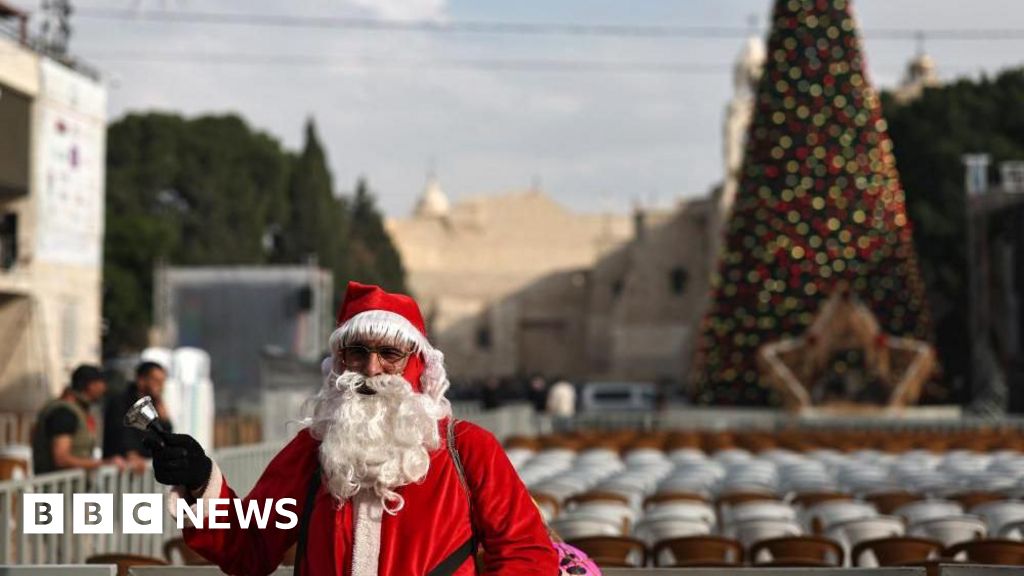
Bethlehem, the revered birthplace of Jesus in the occupied West Bank, has rekindled its Christmas spirit for the first time since the onset of the Gaza war. After a somber two-year hiatus where public festive celebrations were suspended, the city's iconic giant Christmas tree in Manger Square, before the historic Nativity Church, was illuminated, signaling a cautious return to holiday traditions.
A Return to Celebration Amidst Controversy
Mayor Maher Canawati described the previous two years as a "bad two years of silence," marked by canceled Christmases and a devastating blow to the local economy, heavily reliant on tourism. With visitor numbers plummeting to zero, the decision to resume celebrations was not without its complexities. Canawati acknowledged the controversy, especially given the ongoing suffering in Gaza, home to a small Christian community with ties to Bethlehem. Yet, he passionately defended the decision, stating, "Christmas should never be stopped or cancelled. This is the light of hope for us."
The lighting ceremony drew both Christian and Muslim locals, who captured selfies under the red and gold baubles. A small contingent of foreign tourists also joined the celebration, a welcome sight after years of absence. Streets are now adorned with bright lights, and signs for Christmas bazaars and children's parties hint at a revived festive atmosphere. Neighboring towns, Beit Jala and Beit Sahour, are also preparing their own tree lightings.
Fragile Economic Recovery and Tourist Hopes
Local businesses, particularly hotels, are experiencing a welcome surge in bookings. Palestinian citizens from Israel and some international visitors are slowly returning, providing a much-needed boost. Nadya Hazboun, a local jewellery designer, expressed her joy, emphasizing Bethlehem's role in sending "the message to the world of what really Christmas should be about."
Despite these hopeful signs, the economic recovery remains fragile. Souvenir shops in Bethlehem still report minimal business, and tour guides, like Hamza, largely remain idle outside the ancient walls of the Nativity Church, which dates back to the Fourth Century. Hamza voiced concerns that persistent news coverage might deter tourists, despite his assurances of safety. "This is a tourist city; without tourism there is no life," he lamented, eagerly anticipating the return of visitors from across the globe.
Deep-Rooted Economic Hardship
Unemployment in Bethlehem has soared over the past two years. Since the October 2023 Hamas-led attacks, tens of thousands of Palestinian laborers from the West Bank have been barred from working in Israel and its settlements. Furthermore, the Palestinian Authority (PA), which governs parts of the West Bank, has only disbursed partial salaries to public servants due to Israel withholding significant tax revenues. This financial strain, according to the UN's trade and development agency, amounts to $1.76 billion. Israel justifies this by citing PA payments to Palestinian prisoners, which it claims incentivize attacks, while the PA asserts recent reforms to its welfare system.
For many Palestinian Christians, this Christmas, despite public events, will remain austere. Alaa Salameh, co-owner of the family-run Afteem restaurant, noted the profound economic hardship. Even falafel, a traditional and affordable snack, has become unaffordable for many families. Salameh anticipates celebrations will be tempered by financial realities, "Someone who wants to take his kids to a festival or the theatre or whatever, he doesn't have the money to spend for this celebration."
A Collective Prayer for Peace and Return
In the hallowed grotto beneath the Nativity Church, a local woman joined a small Indian tour group, lighting a candle at the silver star marking the believed birthplace of Jesus. Amidst regional tensions, the people of Bethlehem are united in their prayers for peace and a full return of tourists to this cherished land where Christmas traditions originated.