Russia Intensifies Ukraine Attacks Amid US-Kyiv Peace Talks Progress & NATO Debates: Fastiv Hit, Zaporizhzhia Power Lost
Dec 6, 2025
 Ukraine
Conflict
Ukraine
Conflict
Ukraine
Conflict
Russia launched extensive attacks on Ukrainian infrastructure, including Fastiv. US-Ukraine talks in Florida progressed, but peace efforts face hurdles over NAT
Russia Escalates Assaults on Ukraine Amidst Diplomatic Efforts
Russia has initiated a significant wave of aerial bombardments targeting crucial Ukrainian infrastructure, even as high-stakes talks between the United States and Ukraine entered their third day in Florida. This latest escalation saw Russia launch an astonishing 653 drones and 51 missiles overnight, though Ukrainian authorities reported that the majority were successfully intercepted.
Railway Hub Decimated Near Kyiv
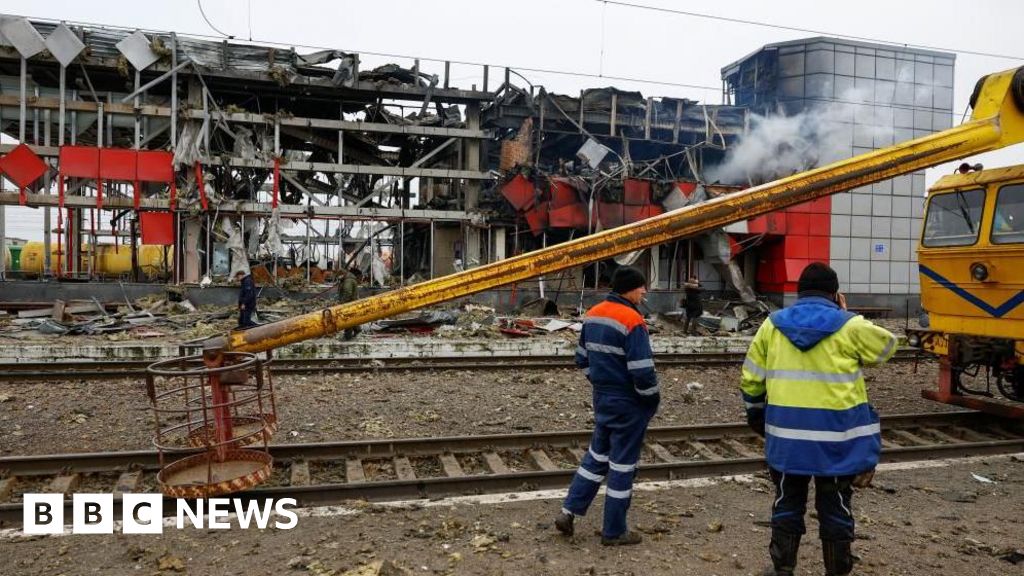
One particularly damaging strike targeted a railway depot in Fastiv, a town located southwest of Kyiv. The assault completely destroyed the main station building and caused significant damage to rolling stock. Ukrainian President Volodymyr Zelensky condemned the attack, labeling it "meaningless from a military point of view," asserting that Russian forces would have been well aware of its lack of strategic value. Conversely, Russia maintained that its strikes were aimed at military-industrial sites, and energy and port infrastructure.
Intensified Energy Sector Onslaught and Nuclear Plant Vulnerability
The recent bombardments underscore an intensified Russian campaign against Ukraine's energy sector. Over the weekend, Ukraine's energy ministry confirmed that Russian attacks had crippled facilities across eight regions, leading to widespread power outages. Adding to the nation's energy woes, the UN's nuclear watchdog reported that the Russian-controlled Zaporizhzhia nuclear power plant experienced a temporary loss of all external power overnight. This marks the eleventh such incident since Russia's full-scale invasion, highlighting the precarious situation at the plant, which requires consistent power to cool nuclear material and avert a potential meltdown, despite not currently generating electricity.
Ukrainian Foreign Minister Andrii Sybiha sharply criticized Russia's actions, stating they demonstrated a blatant disregard for peace efforts and a deliberate targeting of "critical civilian infrastructure." He emphasized the urgent need for global partners to bolster Ukraine's defenses and increase pressure on Russia without delay.
Constructive US-Ukraine Talks in Florida
Meanwhile, diplomatic endeavors unfolded in Florida, where US special envoy Steve Witkoff and Rustem Umerov, secretary of Ukraine's national security council, concluded two days of "constructive" discussions. A joint statement indicated that both parties "agreed on the framework of security arrangements" for a potential peace agreement and explored "necessary deterrence capabilities to sustain a lasting peace." These negotiations, which also involved Jared Kushner, are slated to continue for a third day. The Ukrainian delegation received briefings on Witkoff's recent five-hour meeting with Russian President Vladimir Putin in Moscow.
Stalemate Over Peace Plan and Key Concessions
Despite Witkoff's engagement with Putin, the Kremlin stated "no compromise" was reached on an initial US peace plan, widely perceived as favorable to Moscow. While Putin expressed readiness for continued dialogue, Ukraine and its European allies remain skeptical of his commitment to ending the conflict. Ukrainian President Zelensky is seeking full clarity on the Moscow talks and any new pretexts Russia might be using to prolong the war.
Major sticking points persist, particularly concerning post-war security guarantees for Ukraine and territorial concessions. Russia currently occupies approximately one-fifth of Ukrainian territory, including significant portions of the Donbas region. Putin recently issued a stark warning, demanding Ukrainian troops withdraw entirely from Donbas this week, threatening to "liberate these territories by force" otherwise.
NATO Membership: A Point of Contention
The prospect of Ukraine joining NATO remains a central and divisive issue. Kyiv and its European allies view NATO membership or comprehensive security guarantees as the most effective deterrent against future Russian aggression. However, Russia vehemently opposes this, and former US President Donald Trump has consistently signaled his disinterest in Ukraine joining the military alliance. The Kremlin affirmed that Ukraine's potential NATO membership was a "key question" discussed during the Moscow talks. Trump acknowledged those discussions as "reasonably good" but cautioned that achieving peace requires mutual cooperation, stating, "it does take two to tango."
By news
6 months ago
No cameras found for this country.