Elderly Woman, Son Killed by Israeli Drone in Gaza Amid Escalating Attacks & Humanitarian Crisis; Ceasefire at 'Critical Moment'
Dec 7, 2025
 Palestinian Territory Occupied
Middle East Conflict
Palestinian Territory Occupied
Middle East Conflict
Palestinian Territory Occupied
Middle East Conflict
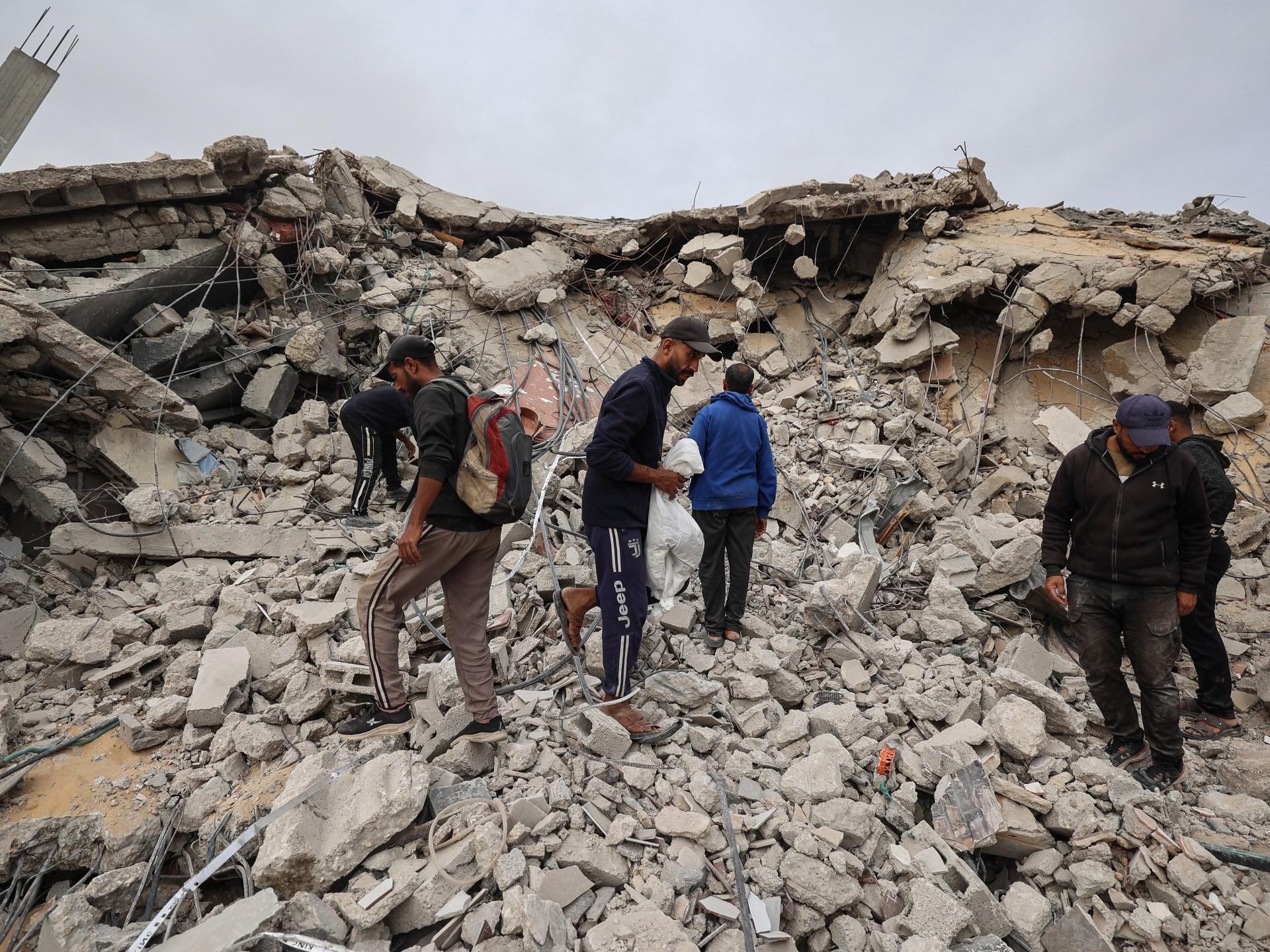
An Israeli drone killed an elderly woman and her son in Gaza City, part of ongoing attacks despite a ceasefire. The region faces a deepening humanitarian crisis
Israeli Drone Kills Elderly Woman and Son in Gaza Amid Intensifying Attacks
Gaza continues to be a focal point of intense conflict, marked by devastating incidents, including the recent killing of an elderly woman and her son by an Israeli drone. This tragic event unfolded as Israeli military operations persist across the "yellow line," a loosely defined ceasefire demarcation in the Gaza Strip.
A Drone's Deadly Pursuit in Gaza City
Health officials reported on Saturday that among at least seven Palestinians killed in recent Israeli attacks, a 70-year-old woman and her son were specifically targeted and killed by a quadcopter drone in Gaza City. According to Al Jazeera’s Hani Mahmoud, reporting from the scene, the drone actively pursued the pair approximately one kilometer from the "yellow line." They were reportedly left to bleed to death as the aircraft hovered overhead, preventing any attempts to reach or rescue them.
Mahmoud characterized this incident as one of numerous violations observed over the past 50 days since the October 10 ceasefire with Hamas was enacted. He highlighted the danger posed by the "yellow line's" lack of visible markings, which can lead unsuspecting Palestinians to inadvertently cross into restricted and perilous zones.
Persistent Military Engagements and Ceasefire Violations
Beyond the drone attack, Saturday saw a major Israeli assault in Gaza. Forces, supported by tanks, attack drones, and ground troops, demolished residential buildings and critical public infrastructure in Gaza City’s Shujayea district, forcing residents to flee. The Israeli military confirmed killing three individuals in separate incidents, alleging they had crossed the "yellow line." However, reports indicate Israeli forces have also advanced beyond this line, erecting sand barriers to isolate eastern Gaza City and pushing tanks hundreds of meters into areas near Salah al-Din Street in western Gaza City.
International Alarm Over Deteriorating Situation and Stalled Peace Efforts
The escalating violence has drawn grave concern from international actors. At the Doha Forum, Qatar’s Prime Minister, Sheikh Mohammed bin Abdulrahman bin Jassim Al Thani, voiced alarm, stating that the Gaza ceasefire is at a "critical moment" and risks collapse without a renewed commitment to finding a lasting peace. Echoing this sentiment, Manal Radwan, a Saudi Ministry of Foreign Affairs official, expressed pessimism, noting, "We don’t see that we have a partner for peace. Not even a partner for a sustainable ceasefire."
Separately, eight Muslim-majority nations, including Egypt and Qatar, rejected Israel’s proposed exit-only plan for the Rafah crossing, fearing it would violate a US-brokered peace deal and enable forced displacement. The UN estimates that 1.9 million people, roughly 90% of Gaza's population, have already been displaced.
Deepening Humanitarian Crisis Amidst Winter's Onset
The human cost of the conflict continues to mount. Since the October ceasefire, Gaza’s Health Ministry reports at least 367 Palestinians killed, 953 wounded, and 624 bodies recovered from rubble. UNICEF confirmed 70 children are among the fatalities. Compounding the tragedy, Gaza faces an intensifying humanitarian crisis as winter sets in.
Israeli human rights group B’Tselem reported that Israel’s restrictions on aid, including crucial winter essentials, have left children in summer clothing and barefoot in the cold, particularly after storms destroyed 13,000 tents last month. This situation, B'Tselem asserts, is "a direct result of Israeli policy and international silence."
The UN Office for the Coordination of Humanitarian Affairs (OCHA) paints a dire picture of food insecurity, with one in four households eating only one meal daily, and 10% enduring entire days without food in the past month. OCHA also highlights critical underfunding, with only 40% of the $4 billion appeal for Gaza and the occupied West Bank being met, exacerbating the humanitarian catastrophe.
By news
6 months ago