Sudan Drone Strikes Hit Kindergarten & Hospital, Killing Dozens of Civilians & Children in Kalogi Amid Escalating Conflict
Dec 7, 2025
 Sudan
Conflict & Humanitarian Crisis
Sudan
Conflict & Humanitarian Crisis
Sudan
Conflict & Humanitarian Crisis
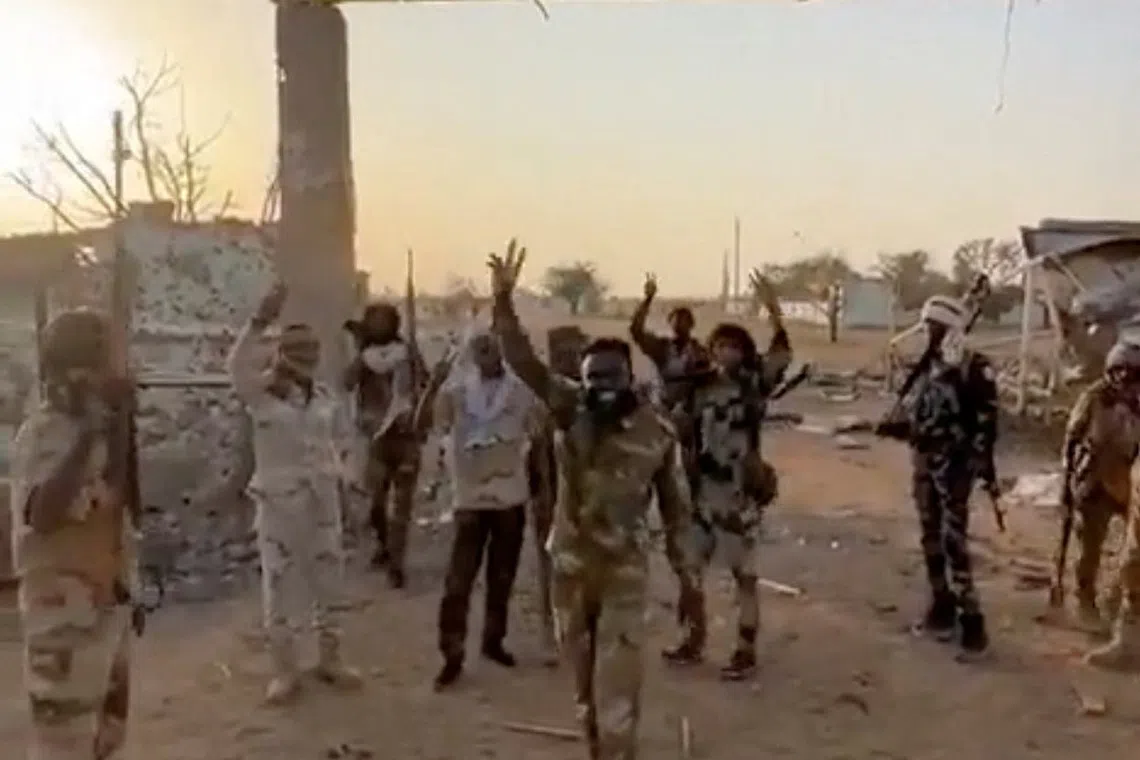
A drone attack blamed on Sudan's RSF hit a kindergarten and hospital in Kalogi, killing dozens of civilians, including children. The conflict continues to displ
Sudan Conflict: Drone Strikes Target Kindergarten and Hospital in Kalogi, Killing Dozens of Civilians
The brutal conflict gripping Sudan escalated further with a devastating drone attack on the town of Kalogi in South Kordofan state. Local officials reported on December 7 that a paramilitary drone strike on December 6 tragically struck both a kindergarten and a hospital, resulting in the deaths of dozens of civilians, including numerous children.
Mr. Essam al-Din al-Sayed, head of the Kalogi administrative unit, detailed the horrific sequence of events, explaining that three strikes occurred: "first a kindergarten, then a hospital and a third time as people tried to rescue the children." He attributed the assault to the Rapid Support Forces (RSF) and their ally, the Sudan People’s Liberation Movement-North faction (SPLM-N) led by Abdelaziz al-Hilu, which holds significant control over South Kordofan and parts of Blue Nile state.
The United Nations children’s agency, UNICEF, confirmed the deaths of over 10 children aged between five and seven. The army-aligned foreign ministry placed the total death toll at a staggering 79 individuals, among them 43 children. Sheldon Yett, UNICEF Representative for Sudan, condemned the incident on December 5, stating, "Killing children in their school is a horrific violation of children’s rights," and called on all parties to cease attacks and facilitate humanitarian access.
Wider Conflict and Escalation
Since April 2023, Sudan has been engulfed in a fierce power struggle between the national army and the paramilitary RSF, a conflict that has claimed tens of thousands of lives and displaced nearly 12 million people. Independent verification of incidents in regions like Kordofan remains severely hampered by communication blackouts, restricted access, and pervasive insecurity.
Following their late-October capture of El-Fasher, previously the army’s last stronghold in western Sudan, the RSF has been aggressively pushing eastward into the oil-rich Kordofan region. This advance has been accompanied by deeply concerning reports of mass killings, sexual violence, widespread looting, and abductions. UN Human Rights commissioner Volker Turk expressed grave concern on December 4, fearing "another wave of atrocities in Sudan amid a surge in fierce fighting" in Kordofan, drawing parallels to the "horrific events in El Fasher."
The UN has documented at least 269 civilian deaths due to aerial strikes, artillery shelling, or summary executions since the RSF seized the North Kordofan city of Bara on October 25. Concurrently, an army drone strike last week on Kauda, an SPLM-N stronghold in South Kordofan, reportedly killed at least 48 people. The intensifying violence has forced over 40,000 people to flee Kordofan in the past month alone. Analysts suggest the RSF's current offensive aims to dismantle the army’s final defensive lines around central Sudan, paving the way for attempts to reclaim key urban centers, including the capital Khartoum.
Accusations and Humanitarian Concerns
The December 6 attack in Kalogi occurred amidst a flurry of mutual accusations between the army and RSF regarding various drone strikes across the country. On December 5, the RSF accused the army of targeting the Adre border crossing with Chad – a vital humanitarian and commercial artery – alleging an attempt to impede aid deliveries. The military has not publicly addressed these specific claims. Local sources, who wished to remain anonymous, offered an alternative explanation for an explosion at Adre on December 5, attributing it to transport vehicles igniting after a petrol canister detonated. Satellite imagery and fire monitoring data subsequently verified by AFP, showed no visible signs of smoke or fire at Adre on December 4 or 5.
Furthermore, the Sudanese army has repeatedly accused the United Arab Emirates of supplying the RSF through Chad, allegations that UN experts have described as credible. Abu Dhabi has consistently denied providing any support to the RSF.
The dire humanitarian situation is further underscored by an attack reported by the World Food Programme (WFP) on November 27. One of its trucks, part of a 39-vehicle convoy delivering food to families displaced from El-Fasher to Tawila in North Darfur, was targeted near Hamra El-Sheikh. The driver sustained serious injuries, and the truck's cabin was destroyed, highlighting the extreme dangers faced by aid workers attempting to assist the vulnerable populations caught in Sudan's escalating conflict.
By news
6 months ago
No cameras found for this country.