
Tanzania Urges Citizens to Stay Home Amidst Independence Day Protest Calls
The Tanzanian government has issued a strong advisory for its citizens to remain at home on December 9, a day traditionally marking mainland Tanzania's independence from Britain. This directive comes amidst widespread calls for anti-government protests, fueled by allegations of violent suppression during the October general elections.
Prime Minister's Call for Calm
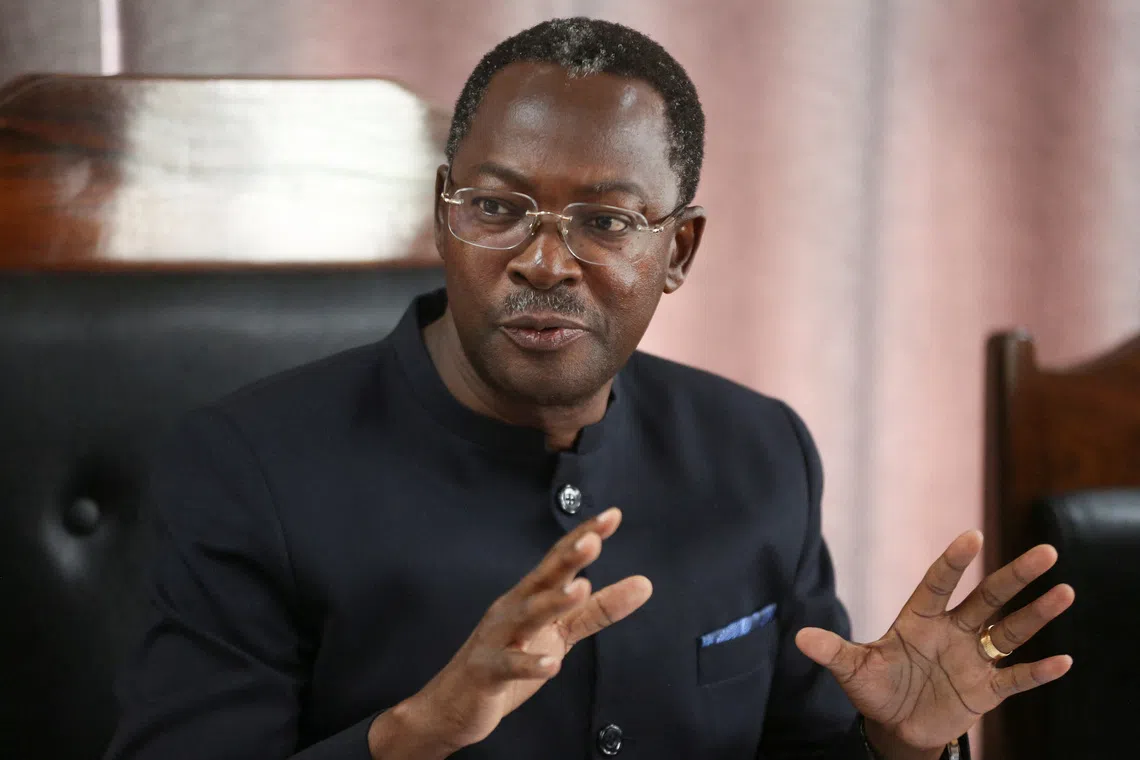
Prime Minister Mwigulu Nchemba, in a video statement circulated on social media, urged the populace to "use the day for rest and celebrate it at home," explicitly stating there would be no official state-sponsored independence day celebrations this year. While Nchemba avoided direct mention of the anticipated demonstrations, the timing of his message clearly links it to the planned civil unrest.
Roots of the Unrest: Post-Election Violence
Activists have been mobilizing protests to highlight what they describe as the violent crackdown on dissent following the recent elections. The United Nations has voiced serious concerns, indicating that hundreds of individuals may have been killed during these earlier protests. These demonstrations were reportedly sparked by the disqualification of prominent opposition candidates, a move that led to President Samia Suluhu Hassan being declared the winner with nearly 98% of the presidential votes.
Government's Stance and Security Measures
Despite international scrutiny and allegations, the Tanzanian government has acknowledged fatalities but has refrained from providing its own official death toll. Furthermore, it has vehemently denied claims of excessive force by police and security services. President Hassan herself has commissioned an investigation into election-related violence, yet she maintains that security forces acted appropriately and has accused protesters of attempting to destabilize the government.
In response to the protest calls, police authorities declared any demonstrations on December 9 illegal, citing a lack of formal notification from organizers. Observers in key urban centers like the commercial capital, Dar es Salaam, and the northern city of Arusha, reported significant deployments of police and army personnel on major roads, signaling a heightened state of security preparedness.
International Scrutiny and Concerns
The escalating situation has also drawn international attention beyond the UN. The United States recently announced a review of its relationship with Tanzania. This move comes in light of growing concerns regarding violence against civilians, as well as broader issues related to religious freedom, freedom of speech, and existing barriers to investment within the country.