England's Hospitals Grapple with Unprecedented 'Super Flu' Surge; NHS Warns No Peak in Sight Amid Strike Threats
Dec 12, 2025
 United Kingdom
Health
United Kingdom
Health
United Kingdom
Health
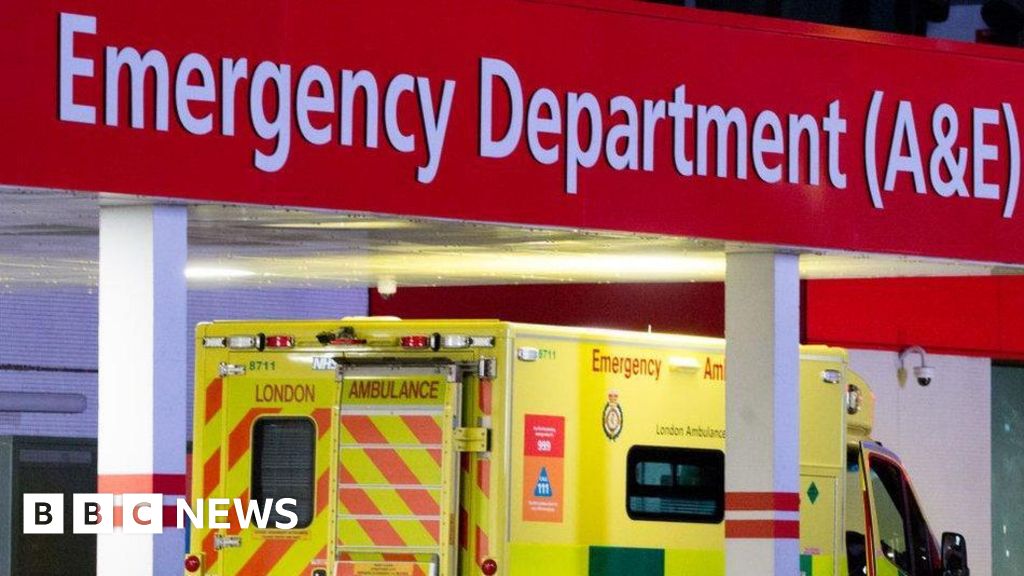
English hospitals face a severe 'super flu' wave, with cases up 50% in a week and no peak yet. The NHS warns of unprecedented strain amid a new H3N2 strain and
England's Hospitals Overwhelmed by Unprecedented 'Super Flu' Surge
Hospitals across England are currently battling an unprecedented surge in influenza cases, with health officials warning that the 'super flu' wave shows no signs of peaking. In a startling escalation, the number of patients hospitalized with flu soared by over 50% in the last week, bringing the daily average to 2,660 cases by Sunday – a figure that has continued its upward trajectory this week.
NHS England highlighted the severe strain, stating that the current patient load is equivalent to three entire hospitals being filled with flu sufferers. Some facilities report nearly one in ten beds occupied by those battling the virus, with fears that total hospital admissions could exceed 5,000 by the weekend.
Widespread Impact Across the UK and Age Groups
The flu surge isn't confined to England. Scotland has reported a nearly 25% increase in confirmed cases and a 15% rise in hospital admissions. Similar challenging situations are observed in Wales and Northern Ireland. While children and young people aged five to 14 show the highest positivity rates for flu in England, hospital admission rates are most severe among two vulnerable groups: those over 75 and children under five.
This alarming trend has even led some schools, like one in Caerphilly which temporarily closed, and others in Aberdeenshire reducing hours, to reintroduce COVID-like measures to curb transmission.
A Mutated Strain and Record-Breaking Numbers
Health Secretary Wes Streeting underscored the gravity of the situation, likening this winter's NHS challenge to those seen during the pandemic. He cautioned that flu hospitalizations could triple before the peak, the timing of which remains unknown. Prof. Meghana Pandit, NHS England medical director, described the situation as a "worst-case scenario," pushing staff to their absolute limits.
Remarkably, current flu hospital numbers are the highest for this time of year since records began in 2021, although these do not encompass the severe flu seasons of 2014-15 and 2017-18. This year's early and intense wave is driven by a mutated H3N2 strain with genetic alterations that mean the general public has limited prior immunity.
Adding to the pressure, the highly contagious norovirus, or "vomiting bug," is also on the rise, occupying over 350 hospital beds.
Strikes and Systemic Strain
The burgeoning health crisis coincides with a looming five-day strike by resident doctors, set to begin next week. While a fresh offer from Health Secretary Wes Streeting has prompted the British Medical Association (BMA) to poll members on calling off the walkout, Prime Minister Sir Keir Starmer has urged the BMA to accept the offer, branding continued strike action as "irresponsible," particularly given the pre-Christmas flu surge.
Daniel Elkeles of NHS Providers, representing hospitals, characterized the situation as "a storm come early," stressing the urgent need for all hands on deck. Dr. Vicky Price of the Society for Acute Medicine criticized NHS England and the government for using winter viruses as a "convenient scapegoat" for systemic failures and chronic workforce shortages, leading to what she terms a "predictable breakdown" in NHS capacity.
Call for Vaccination Amidst Crisis
Despite the ongoing surge, Dr. Conall Watson, an infectious diseases expert at the UK Health Security Agency (UKHSA), emphasized the continued availability of flu vaccines. He urged eligible individuals – including the over 65s, pregnant women, and those with certain health conditions – to get vaccinated immediately. "Time is running out to be protected ahead of Christmas," he warned, noting that full protection takes up to two weeks post-vaccination.
By news
17 hours ago