Thailand Weighs Fuel Export Block to Cambodia Amid Border Conflict Escalation Despite US-Brokered Ceasefire
Dec 23, 2025
 Thailand
Geopolitics
Thailand
Geopolitics
Thailand
Geopolitics
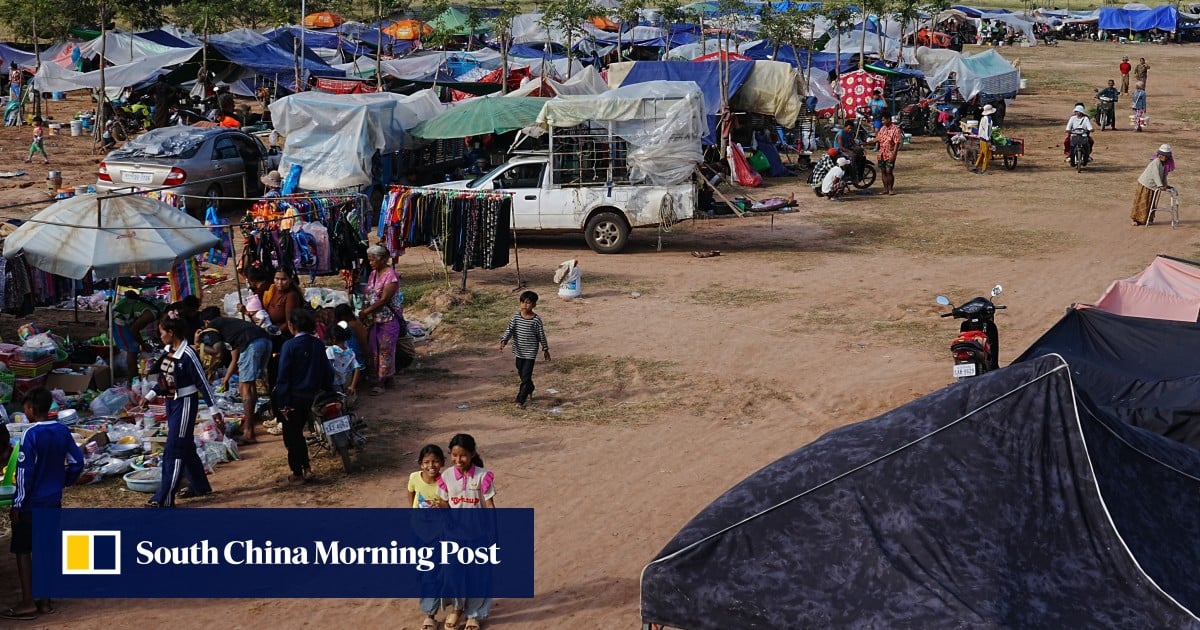
Thailand is contemplating blocking fuel exports to Cambodia as their border conflict escalates despite a US-brokered ceasefire. This follows recent clashes and
Thailand Considers Fuel Export Block Amid Escalating Cambodia Border Conflict
In a significant development reflecting escalating tensions, Thailand is actively considering blocking fuel exports to neighboring Cambodia. This potential move comes as the border conflict between the two Southeast Asian nations has intensified, spreading even to coastal areas, despite a recently announced ceasefire facilitated by US President Donald Trump.
A History of Renewed Conflict
Over the past year, the long-standing dispute has repeatedly flared into armed confrontations. A skirmish in May, which resulted in the death of a Cambodian soldier, reignited the conflict, leading to the displacement of hundreds of thousands of people on both sides of the contested border. The situation underscores the fragility of peace in the region.
Military Deliberations and Naval Vigilance
Thai military commanders have been engaged in discussions regarding the proposed fuel export blockade. Measures under consideration include instructing the Royal Thai Navy to increase vigilance against vessels transporting strategic supplies and designating maritime zones near Cambodian ports as “high-risk.” However, Captain Nara Khunkothom, assistant spokesman for the Royal Thai Navy, confirmed on Sunday that these measures are not yet official orders but will be a central topic at a security meeting scheduled for Monday.
Oil Exports Already Halted, Billions of Litres at Stake
Adding to the economic pressure, the Thai energy ministry revealed on Friday that Thailand had already ceased exporting oil to Cambodia since June. Official data from the ministry indicates that Thailand supplied Cambodia with a substantial 2.2 billion litres of fuel just last year, highlighting the potential economic impact of a complete export ban.
Mutual Accusations of Civilian Targeting
Amidst the military exchanges, both nations have traded accusations. Cambodia has alleged that Thailand targeted civilian infrastructure, employing fighter jets and shelling populated areas. Conversely, Thailand maintains that its operations have been strictly confined to military targets. Thai Prime Minister Anutin Charnvirakul remains a key figure in navigating this intricate and volatile situation.
By news
15 hours ago