
Iran Protests: Wounded Avoid Hospitals, Seek Secret Aid Amid Crackdown
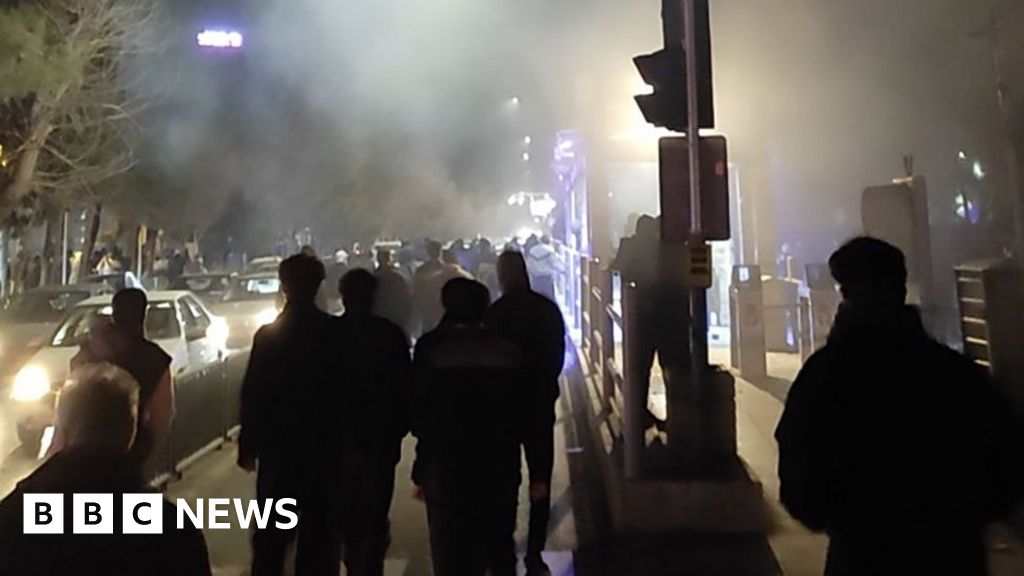
The recent wave of anti-government protests across Iran has brought to light a grim reality: injured demonstrators are deliberately steering clear of official hospitals, driven by a profound fear of arrest by the pervasive security forces. In response, a brave, underground network of volunteer doctors, nurses, and ordinary citizens has emerged, risking their own safety to provide critical, clandestine medical care in private homes and makeshift clinics throughout the nation.
Harrowing Accounts of Injury and Fear
The BBC has gathered harrowing testimonies from those caught in the crossfire. Take the case of Tara, for example, who recounts being shot with birdshot during a protest in Isfahan. Despite her serious injuries, she and her friend vehemently requested not to be transported to a hospital. Instead, they found refuge in a stranger's home, where a trusted doctor later cleaned their wounds in secret. A chilling warning followed: some of the birdshot would remain permanently embedded in their bodies.
The True Cost of Repression: Unreported Casualties
The full extent of the bloodshed resulting from the security forces' crackdown remains largely unknown, hidden behind internet blackouts and stringent restrictions on international media reporting. However, alarming figures are emerging. The US-based Human Rights Activists News Agency (HRANA) has reported over 6,300 confirmed deaths, a staggering toll that includes nearly 6,000 protesters and 112 children. Another 17,000 deaths are currently under investigation, suggesting the true scale of the tragedy could be far greater. Additionally, more than 11,000 protesters are believed to have sustained serious injuries.
Healthcare Under Siege: A Battlefield Environment
In major urban centers like Tehran, healthcare workers describe an environment akin to a war zone. Nima, a surgeon in Tehran, vividly recounted operating non-stop for a grueling 96 hours, his clothes soaked in the blood of young victims. He detailed horrific injuries, including a bullet that entered a man's chin, ripped through his mouth, and exited via his upper jaw. Numerous other patients suffered vital organ and limb injuries, necessitating amputations and leaving them with permanent disabilities.
The presence of security forces within hospitals is reportedly pervasive, with patient records meticulously monitored to identify and apprehend injured demonstrators. This surveillance forces medical professionals to take extreme measures, such as deliberately omitting critical details like "gunshot wounds" from official medical records to protect their patients.
Secret Admissions and Dire Shortages
Another account from Saeed illustrates the dangers faced by those seeking specialized care. His friend, blinded by birdshot during a protest in Arak, was secretly admitted to a Tehran eye hospital via staff-only lifts. There, approximately 200 patients with similar eye injuries were reportedly being treated, often without charge. Sina, whose brother was shot in Tehran, described a chaotic hospital scene resembling a "battlefield," marked by a severe shortage of blankets and medical kits. The necessity of using health insurance meant providing official ID numbers, instilling a constant fear of raids on their homes by security forces.
Medics Targeted: A Life-Threatening Profession
The situation in Iran's smaller cities is believed to be even more dire, with disturbing reports of security forces abducting patients directly from hospitals, never to be seen again. Furthermore, the brave medical personnel who risk their lives to assist protesters are now becoming targets. Dr. Alireza Golchini, a surgeon from the northern city of Qazvin, was reportedly beaten and arrested at his home, accused of "moharebeh" (enmity against God) – an offense that carries the death penalty under Iranian law.
Human rights organizations, including the Norway-based Iran Human Rights (IHR), have issued strong warnings that these arrests are intended to intimidate the public and disrupt the crucial flow of medical aid to the wounded. While the Iranian government offers vastly different figures, claiming over 3,100 deaths, primarily among security personnel or "rioters," and a health ministry spokesman asserting public trust in hospitals, the testimonies of protesters and medical volunteers paint a starkly contrasting picture of widespread fear, repression, and a desperate, clandestine struggle for survival and healing.
