US & Iran Nuclear Talks Stalemate at UN: Uranium Enrichment & Sanctions Fuel Diplomatic Dispute
Jan 29, 2026
 Iran
International Relations
Iran
International Relations
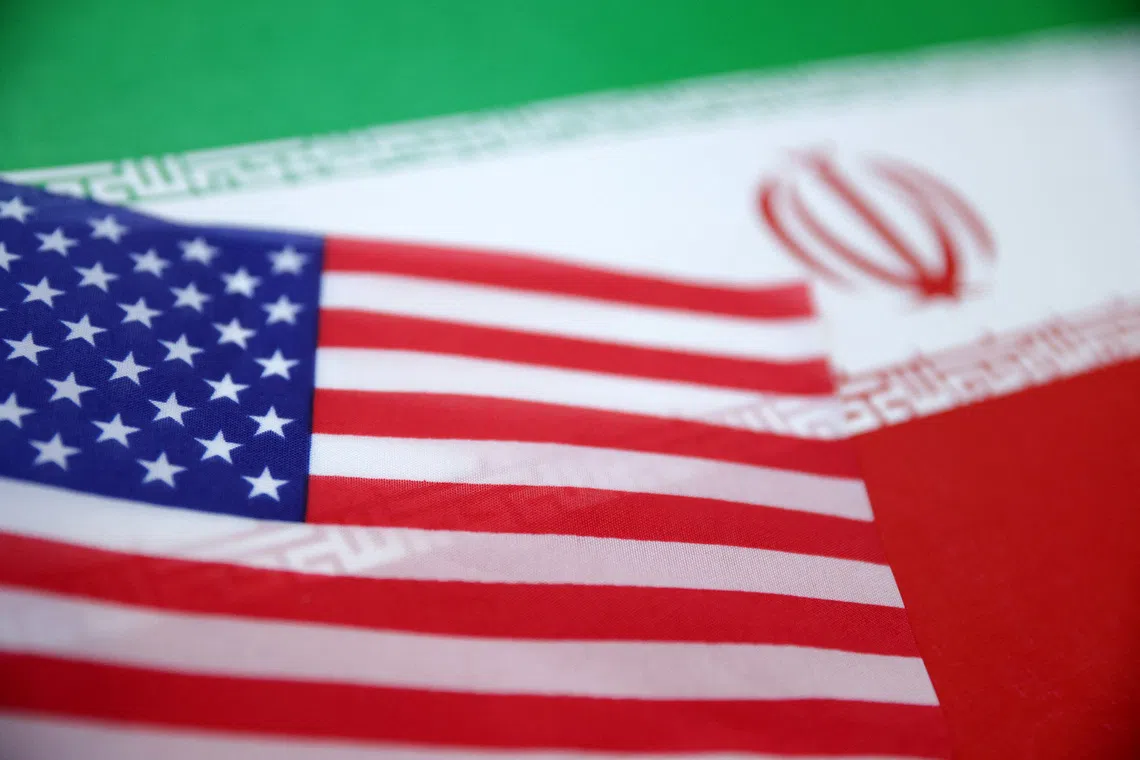
US and Iran spar at the UN Security Council over reviving nuclear talks. Key disputes include uranium enrichment on Iranian soil and US demands for zero enrichm
US and Iran Clash at UN Security Council Over Stalled Nuclear Negotiations
A tense diplomatic standoff unfolded at the United Nations Security Council on December 24, 2025, as the United States and Iran exchanged sharp criticisms regarding the conditions for restarting nuclear talks. While the U.S. affirmed its readiness for direct negotiations, Tehran emphatically rejected Washington's preconditions, highlighting a deep chasm between the two nations.
Core Disagreements: Uranium Enrichment and Sovereignty
At the heart of the impasse lies the contentious issue of uranium enrichment on Iranian soil. Western powers, including the U.S., demand the complete cessation of this practice to mitigate the risk of nuclear weaponization. However, Iran steadfastly maintains its right to enrich uranium for peaceful purposes, citing its obligations and rights as a signatory to the Treaty on the Non-Proliferation of Nuclear Weapons (NPT).
Morgan Ortagus, Mr. Trump's deputy Middle East envoy, articulated the U.S. position before the Security Council on December 23. She stated, "The United States remains available for formal talks with Iran, but only if Tehran is prepared for direct and meaningful dialogue." She underscored a key expectation: "Foremost, there can be no enrichment inside of Iran, and that remains our principle."
In response, Iran’s UN Ambassador Amir Saeid Iravani criticized the U.S. for pursuing an unfair negotiation by insisting on a “zero enrichment policy.” He contended that such a demand contradicts Iran's NPT rights and demonstrates a lack of genuine commitment to fair dialogue. "They want to dictate their predetermined intention on Iran. Iran will not bow down to any pressure and intimidation," Ambassador Iravani asserted.
Shadow of Previous Conflicts and Deals
The latest exchange follows five prior rounds of nuclear talks, which were abruptly interrupted by a 12-day conflict between Iran and Israel in June. During this period, the United States intervened by striking Iranian nuclear sites, further complicating the already fragile diplomatic landscape.
The dispute also resurrects concerns surrounding the 2015 nuclear deal, formally known as the Joint Comprehensive Plan of Action (JCPOA), which is enshrined in a UN Security Council resolution. This agreement aimed to prevent Iran from developing nuclear weapons, a goal Iran has consistently denied pursuing, insisting its nuclear program is solely for peaceful ends.
Sanctions Reinstatement and International Dissent
Adding another layer of complexity, the United Nations reinstated an arms embargo and other sanctions on Iran in late September. This “snapback” mechanism was triggered by European powers – Britain, France, and Germany – who accused Iran of violating the terms of the 2015 deal. This move, however, was met with strong opposition from Russia and China, who disputed its legitimacy.
The Dec 23 Security Council briefing, requested by the United States, Britain, France, Denmark, Greece, Slovenia, and South Korea, proceeded despite objections from Russia and China. These two nations argued that all provisions of the relevant Security Council resolution had expired by October 18 and December 23, challenging the basis for the meeting. The 15-member council traditionally convenes twice annually to review the resolution's implementation, underscoring the persistent international focus on Iran's nuclear activities.
By news
9 months ago
